How to Plan Private Tuscany Travel in 2026
Private Tuscany travel is the best way to experience Italy’s most celebrated region with flexibility, privacy, and local insight. A tailor-made journey can combine Florence, Siena, Chianti, Val d’Orcia, wine estates, artisan workshops, and countryside escapes around your interests, schedule, preferred pace, and standards of comfort.
Why choose private Tuscany travel?
Tuscany rewards travelers who have time to linger. A private journey replaces fixed group schedules with thoughtful pacing, personal access, and a route designed around what you genuinely enjoy.
This approach is especially valuable for:
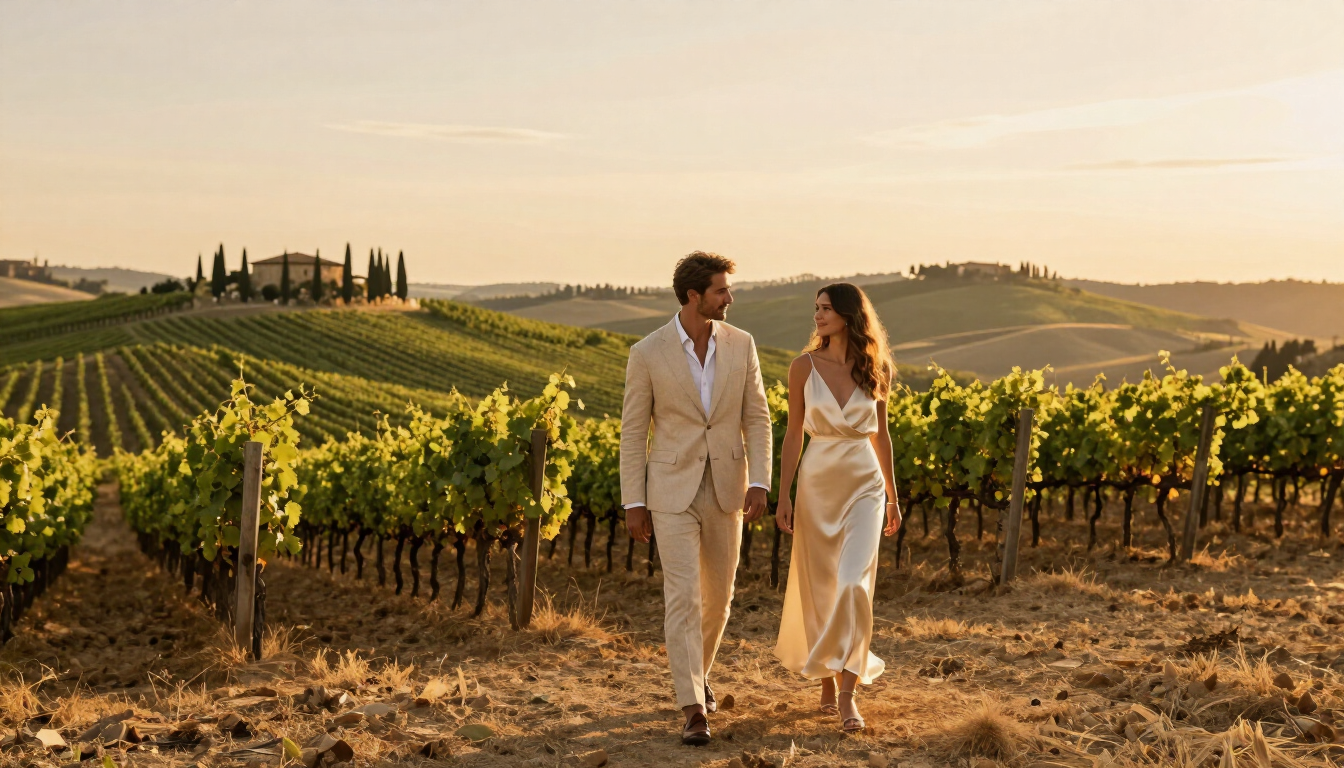
- Couples seeking romance, fine dining, and secluded landscapes
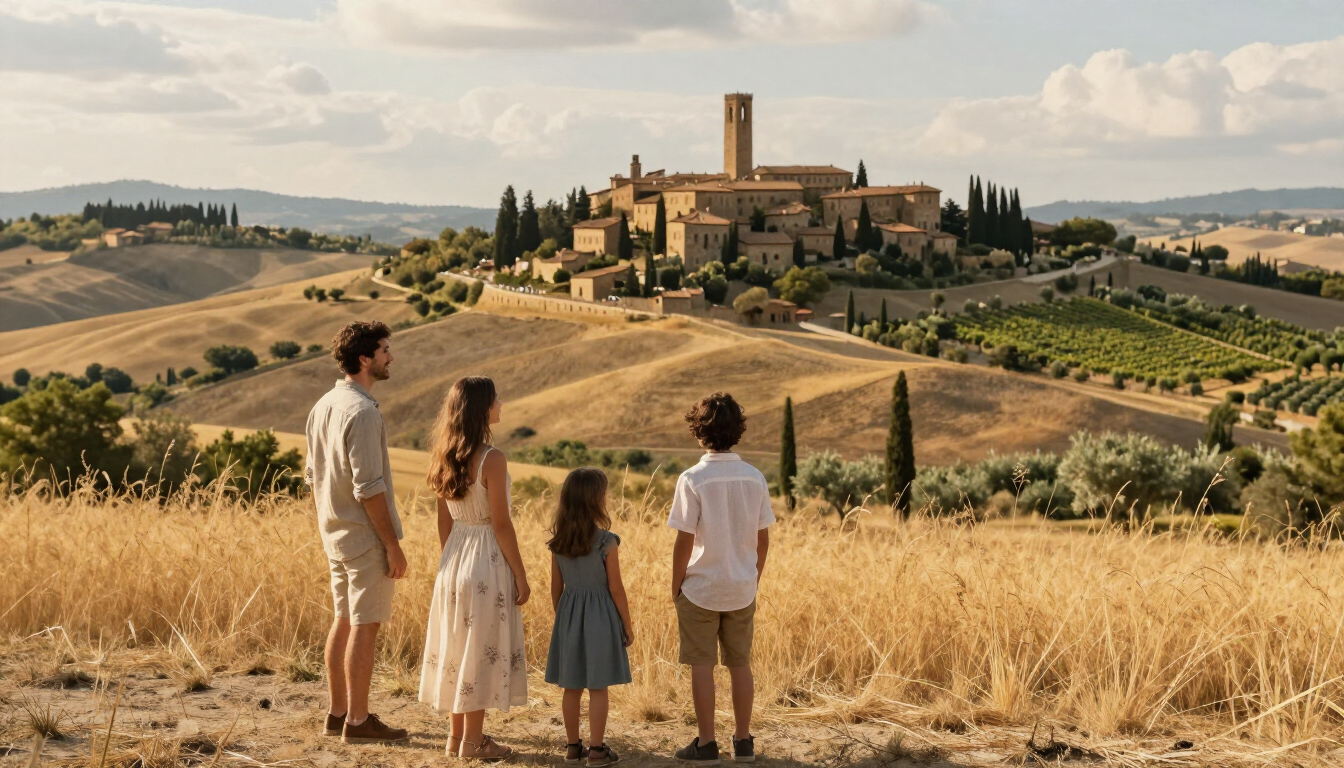
- Families who need flexible timing and age-appropriate experiences
- Small groups who value privacy and seamless logistics
- Wine lovers interested in cellar visits and private tastings
- Returning visitors looking beyond the classic highlights
A local travel specialist can also adjust each day according to weather, energy levels, restaurant availability, and spontaneous discoveries.
How should you divide your time between Florence and the countryside?
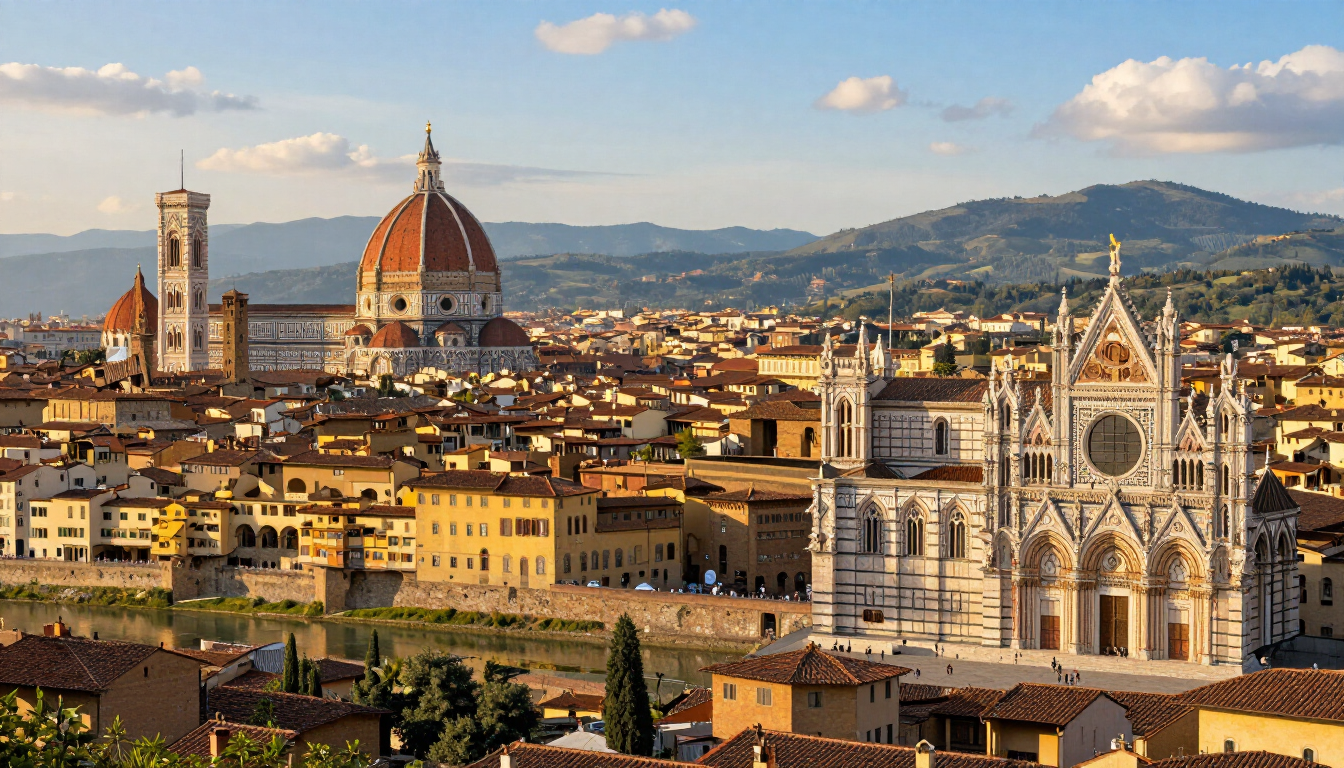
Florence is an ideal beginning because it brings together Renaissance art, architecture, craftsmanship, markets, and exceptional cuisine. Two or three nights allow enough time to explore without turning the city into a checklist.
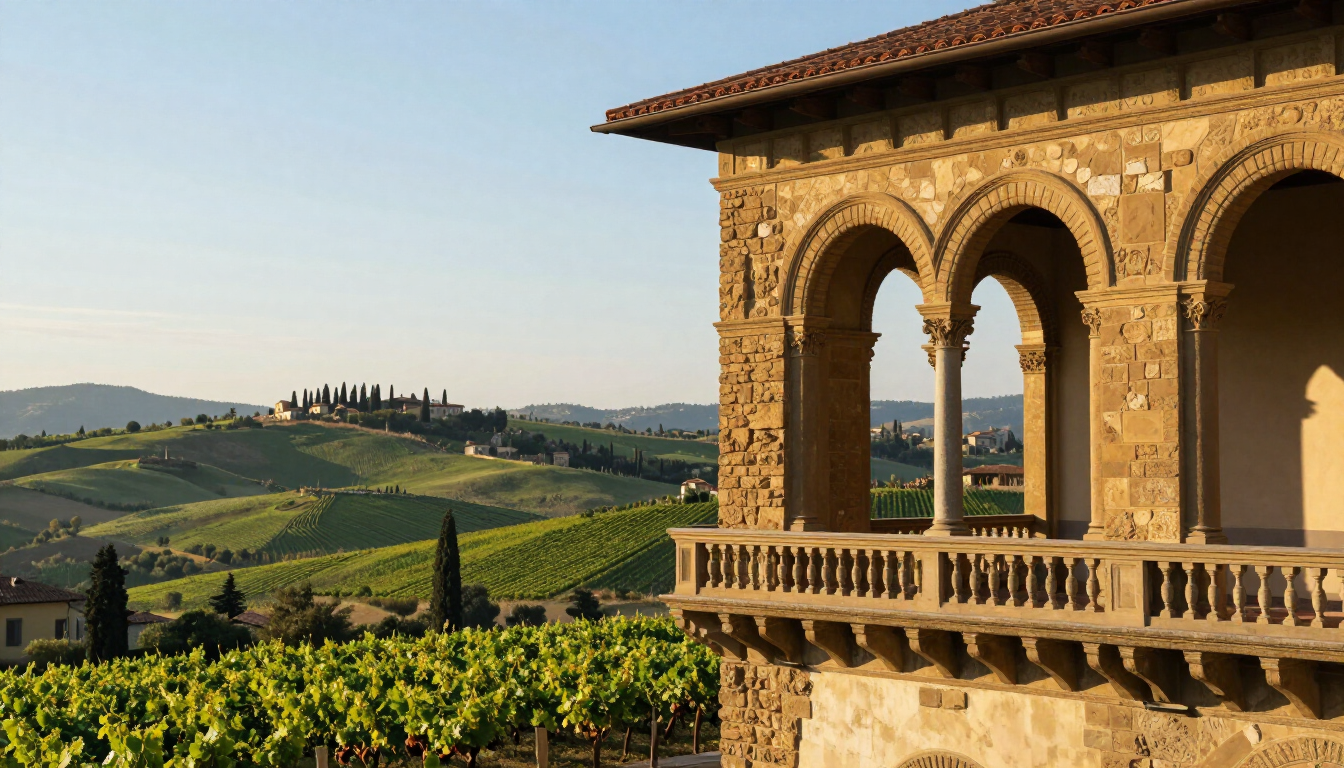
From Florence, continue into the countryside for a slower rhythm. Siena provides a rich medieval counterpoint, while Chianti offers vineyard roads, hilltop villages, and celebrated wines. Further south, Val d’Orcia is known for cinematic landscapes, thermal towns, elegant estates, and long views across wheat fields.
A balanced itinerary might include:
- Florence for art, culture, shopping, and gastronomy
- Siena and San Gimignano for history and hill-town character
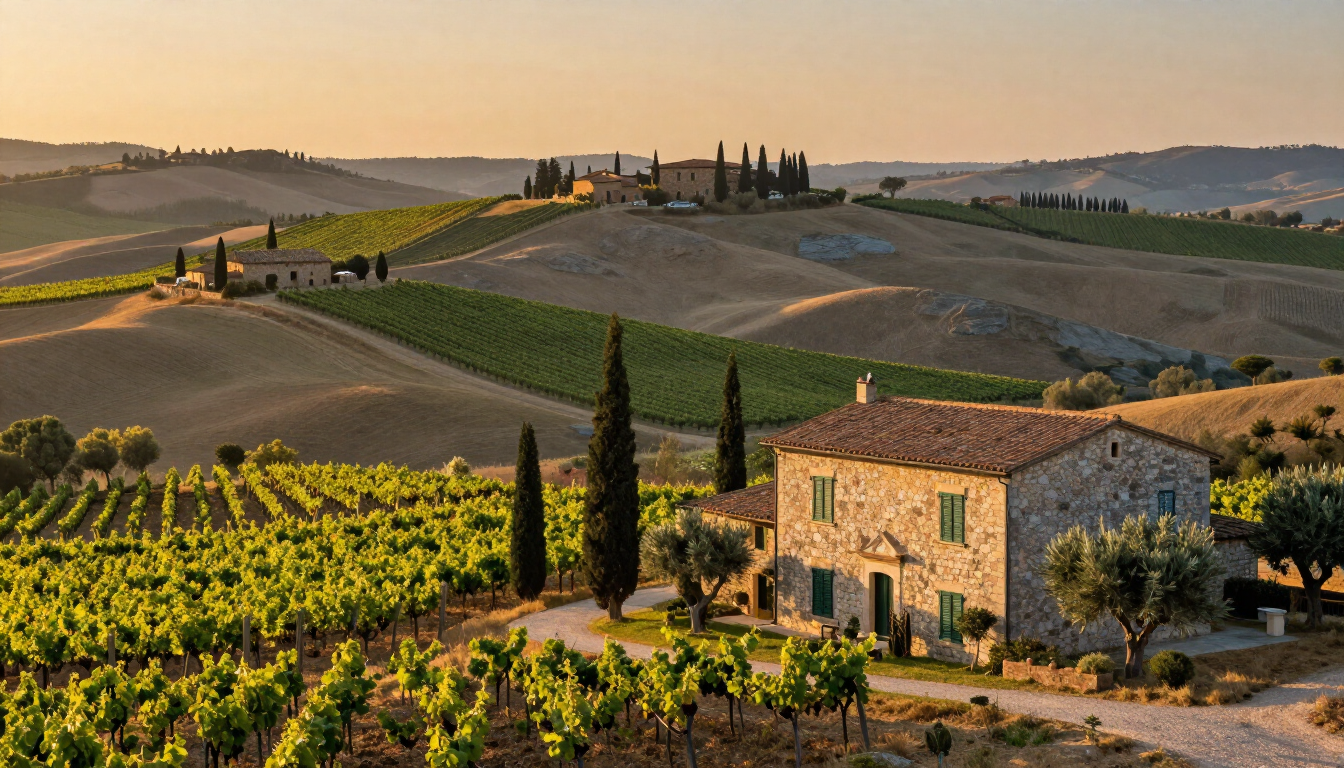
- Chianti for vineyards, olive groves, and relaxed lunches
- Montepulciano and Montalcino for wine and panoramic countryside
- Val d’Orcia for scenic drives, wellness, and quiet luxury
For an introduction to the city, consider The Essence of Florence Walking & Market Gourmet Tour . For a countryside day, The Spirit of Siena & San Gimignano offers a natural combination of culture and landscape.
What are the best Tuscan destinations for a tailor-made itinerary?
Florence: art, history, and contemporary style
A private Florence experience can go beyond the Uffizi and Accademia. Add a guided walk through Oltrarno, a visit to a specialist workshop, a market breakfast, or a private introduction to local design and jewelry.
The city is also a practical base for travelers who prefer not to change hotels frequently.
Siena: medieval atmosphere and local traditions
Siena’s compact historic center is best enjoyed slowly. Explore Piazza del Campo, admire the cathedral, and allow time for an unhurried lunch. A private guide can connect the city’s architecture with its traditions, neighborhoods, and seasonal celebrations.
Pair it with Chianti through the Siena & Chianti Private Escape Tour .
Chianti: vineyards, villages, and leisurely lunches
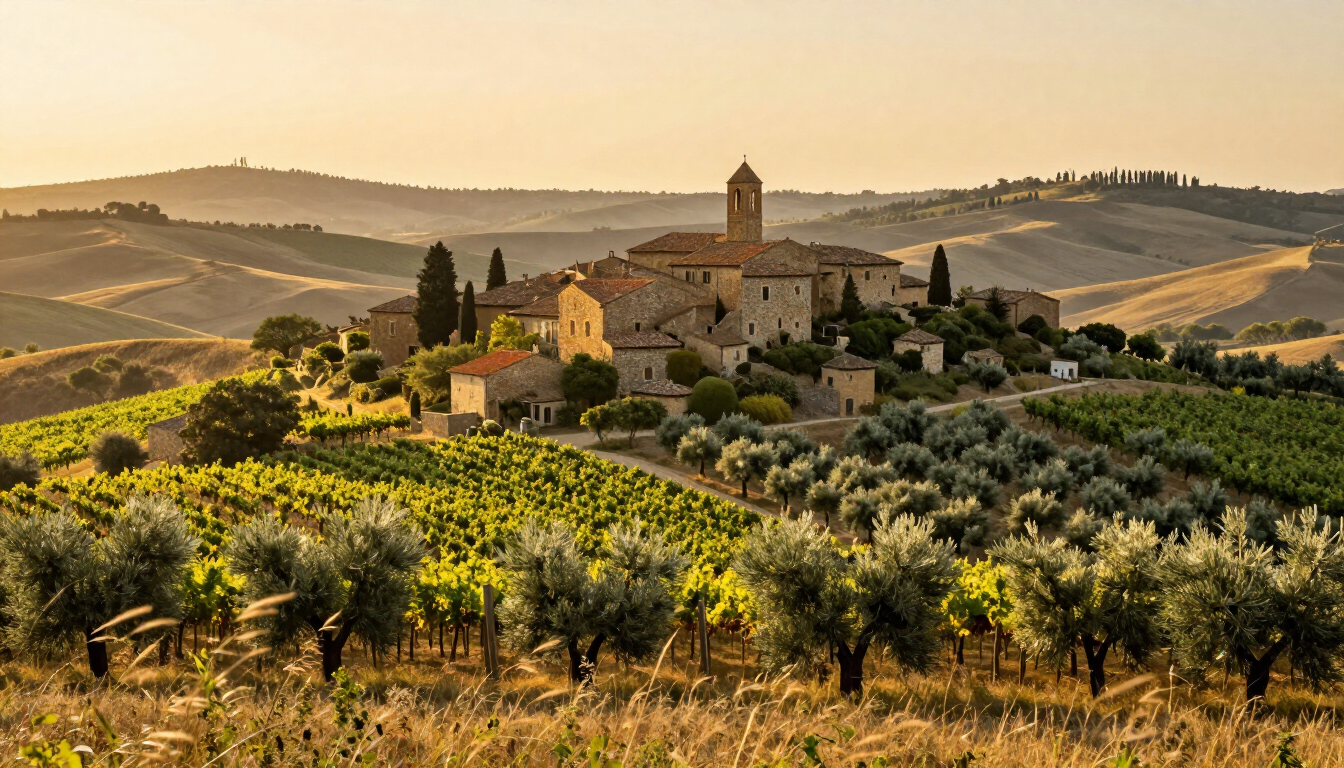
Chianti is suited to travelers who want a relaxed day outdoors. A private route may include a family-run winery, an olive oil tasting, a historic village, and a restaurant selected for its setting as much as its menu.
Val d’Orcia: Tuscany’s most iconic landscapes
The Val d’Orcia is ideal for scenic drives and unhurried stops. Pienza, Bagno Vignoni, Montalcino, and Montepulciano each offer a different perspective on southern Tuscany.
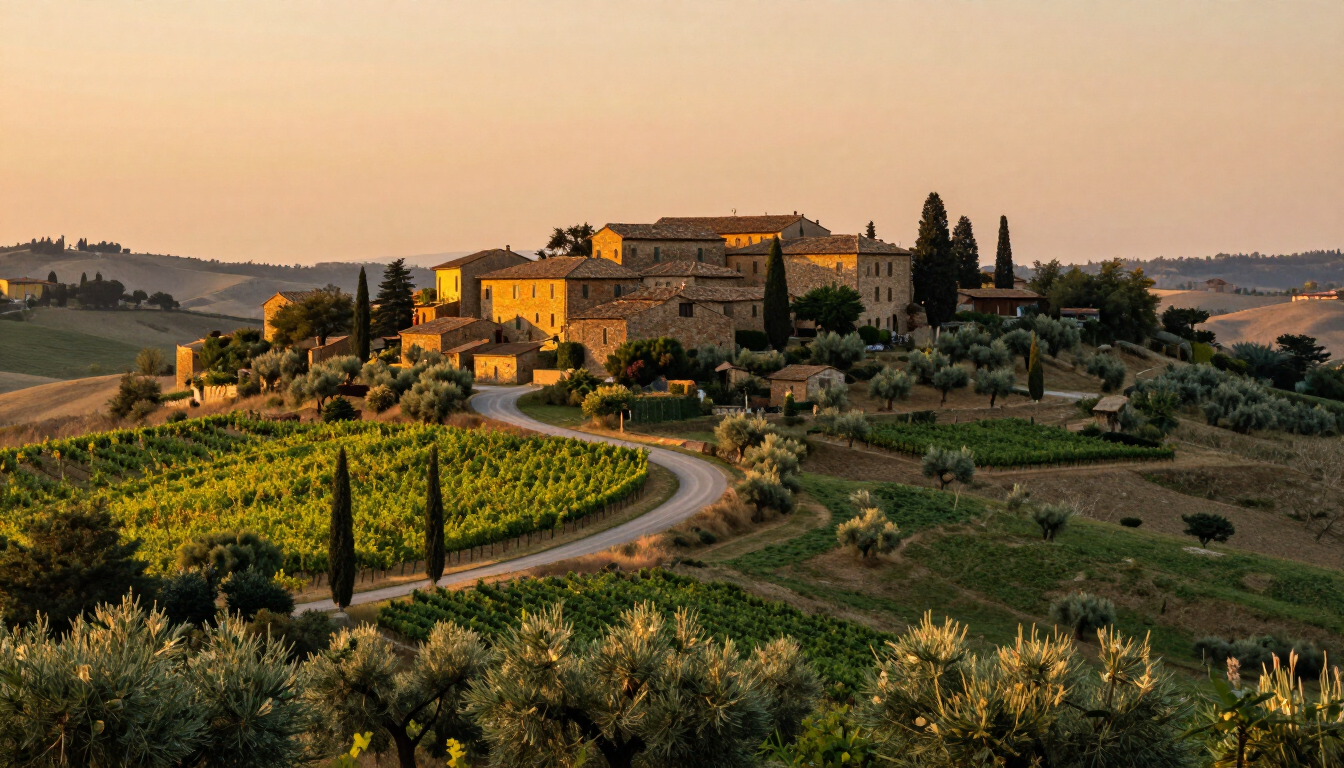
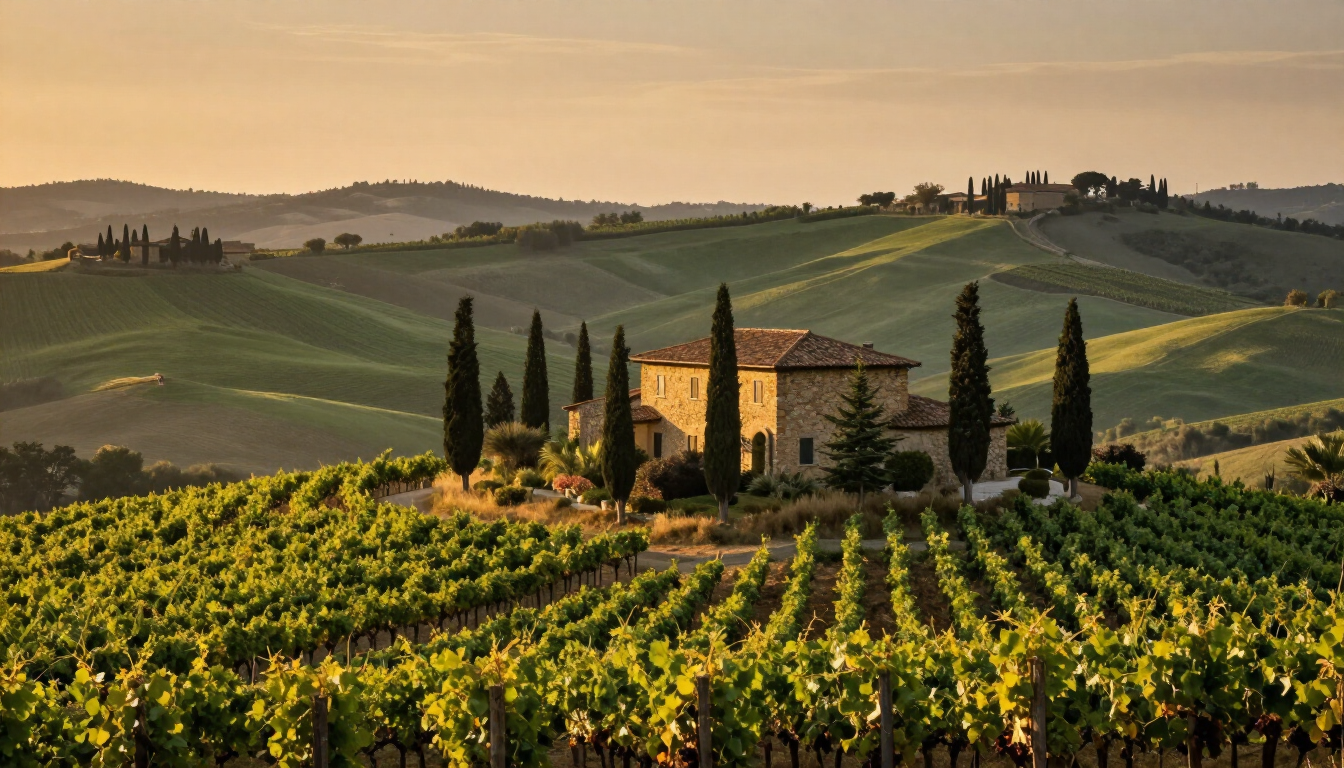
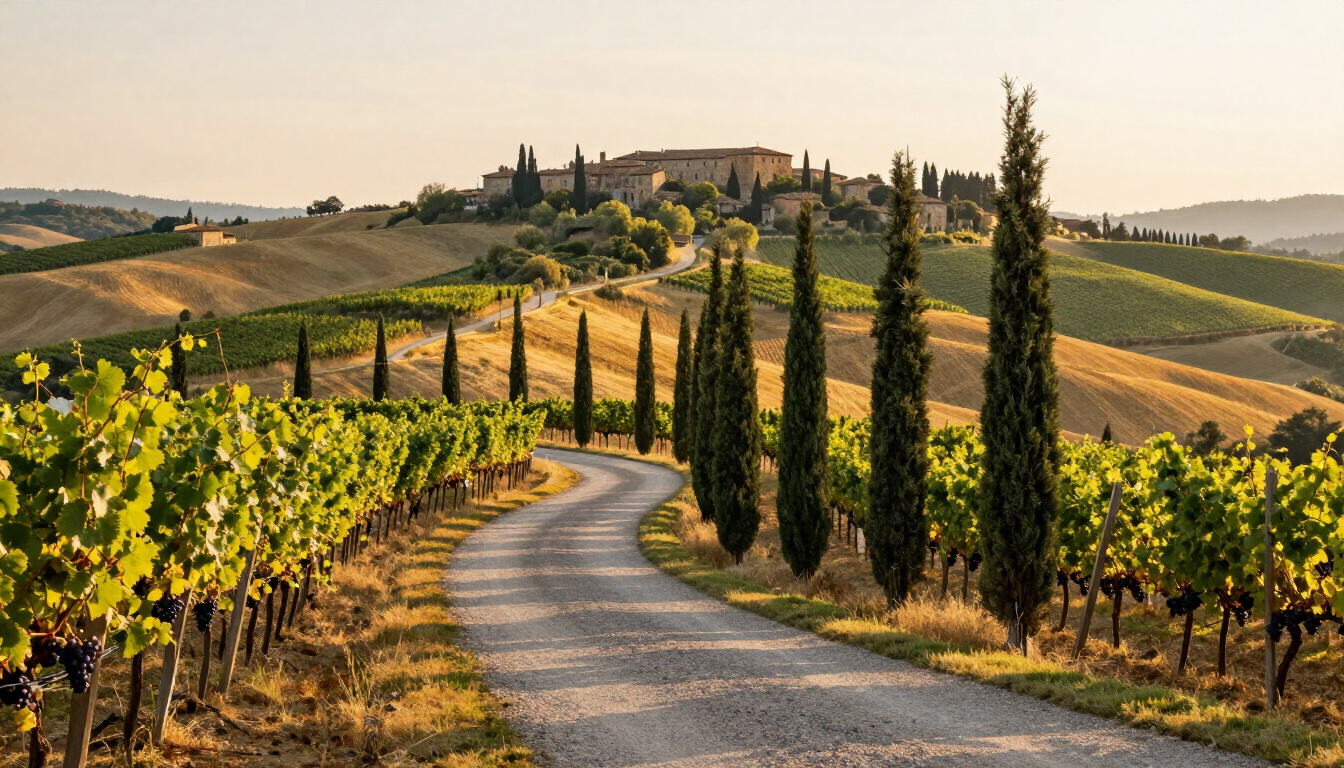
The route is especially beautiful at sunrise and late afternoon, when the hills and cypress-lined roads take on their characteristic golden color.
Montepulciano and Montalcino: wine with a sense of place
Montepulciano is known for Vino Nobile, elegant palaces, and hillside views. Montalcino is synonymous with Brunello, but its appeal extends to fortress streets, family estates, and exceptional food.
The Flavors of Montepulciano & Montalcino experience can be adapted for both serious wine enthusiasts and curious travelers.
What makes a luxury Tuscan accommodation worthwhile?
Luxury is not defined only by star ratings. The most memorable properties combine a strong sense of place with attentive service, privacy, beautiful surroundings, and easy access to the experiences you want.
Consider whether you prefer:
- A historic palazzo in Florence
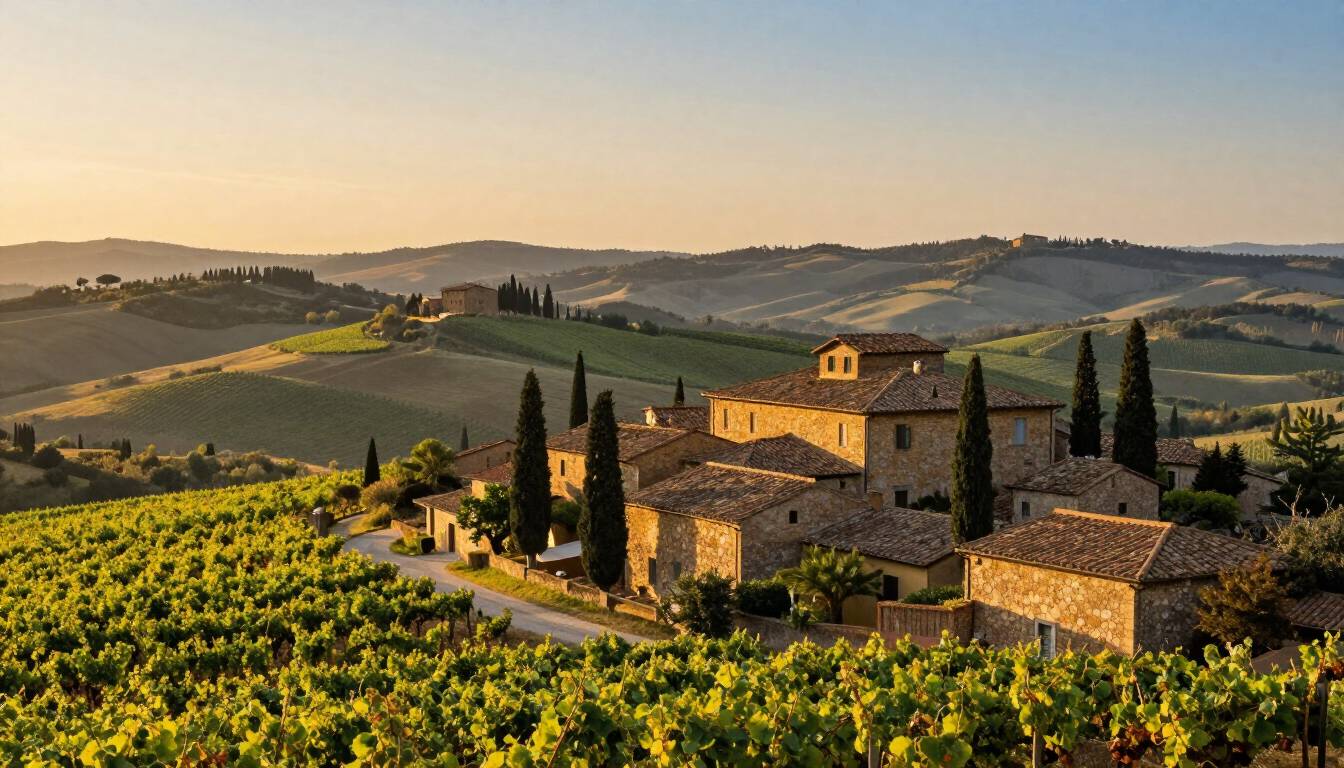
- A vineyard estate surrounded by olive groves
- A restored farmhouse with a private pool
- A discreet boutique hotel in a hill town
- A countryside villa suited to families or small groups
Location matters. Staying in the countryside creates stillness and expansive views, but it requires thoughtful transportation planning. A city hotel offers walkability and cultural access, while a combination of both provides contrast.
How do private transportation and chauffeured services improve the experience?
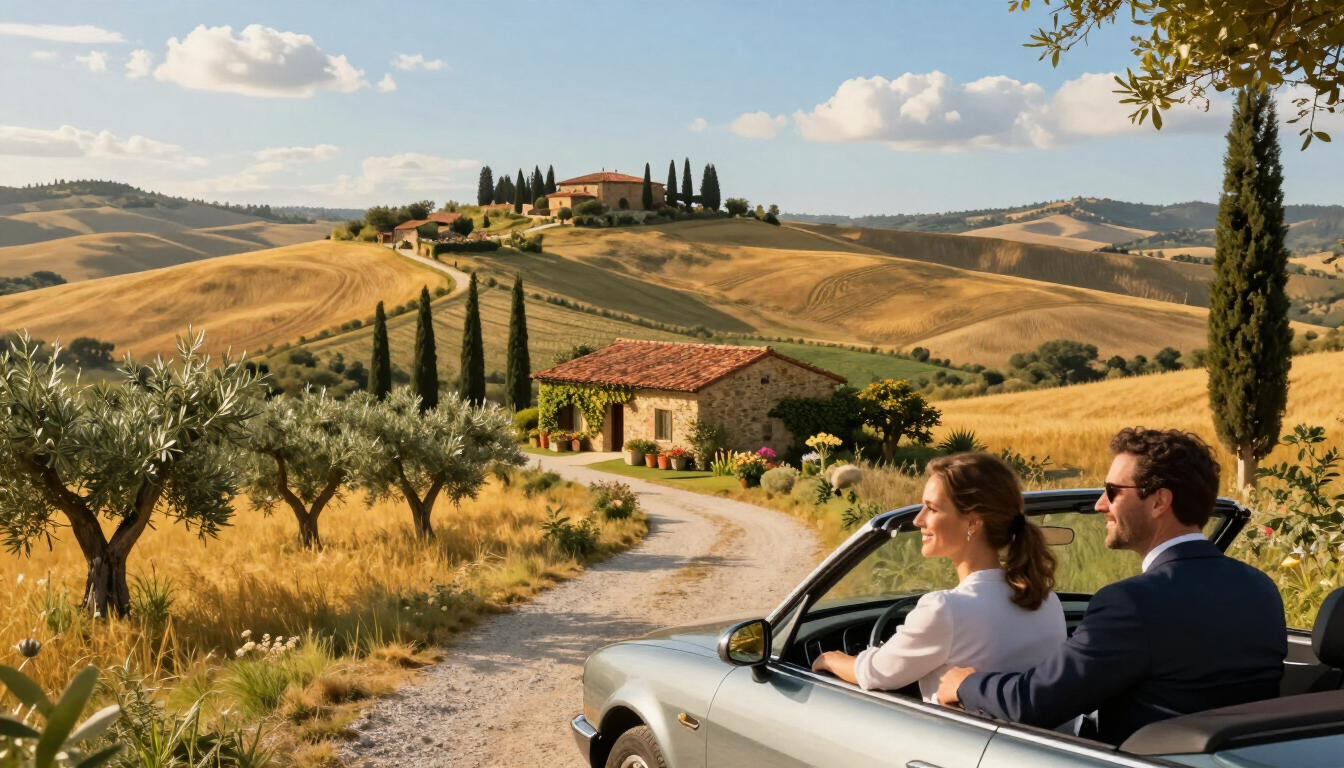
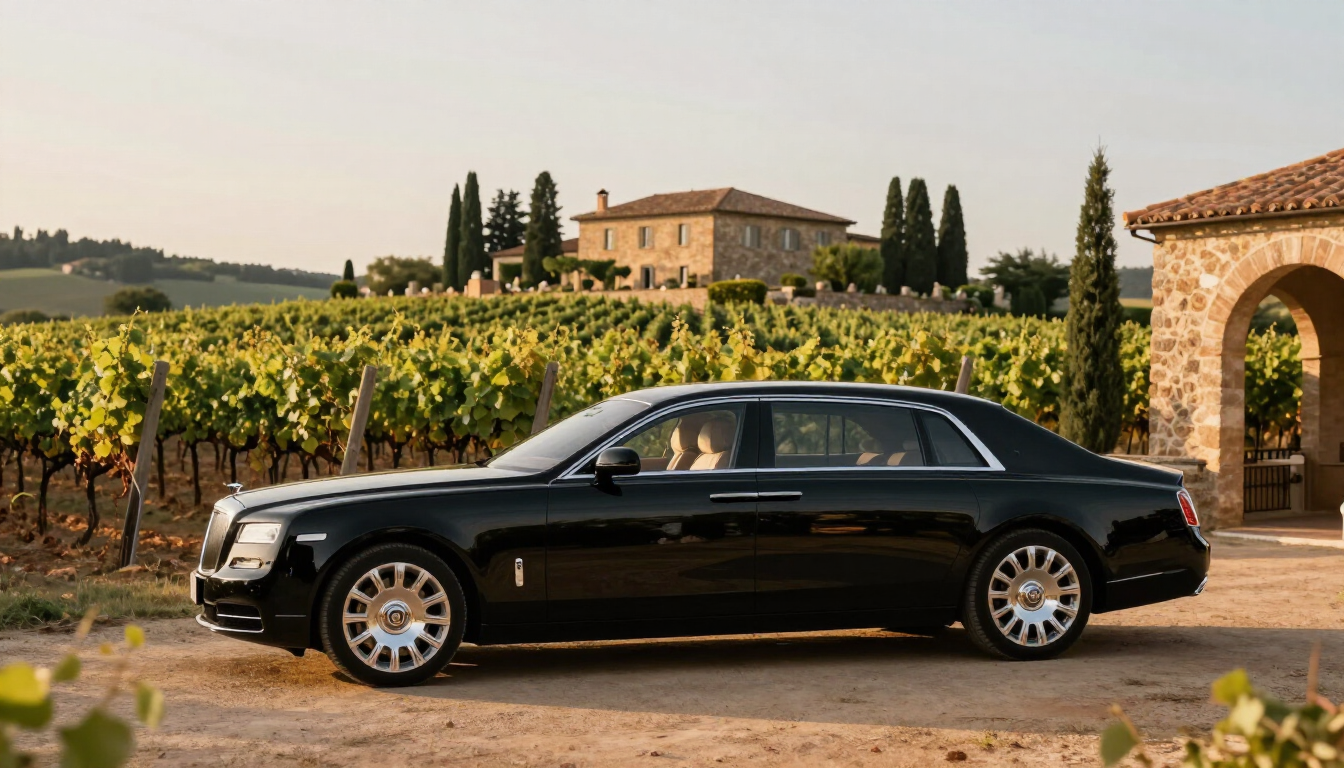
Driving in Tuscany can be enjoyable, but unfamiliar roads, limited parking, wine tastings, and rural directions can add stress. A professional driver allows everyone to appreciate the scenery and enjoy lunch or wine without managing logistics.
Private transportation is particularly useful for:
- Airport and train-station transfers
- Multi-stop wine routes
- Families traveling with children or older guests
- Scenic itineraries between cities and rural estates
- Guests who prefer a discreet, comfortable vehicle
Explore Private Chauffeured Experiences when comfort, timing, and flexibility are central to your plans.
Which wine and food experiences should you include?
Tuscany is best tasted through context. Instead of visiting several wineries in one day, choose one or two meaningful encounters and allow time for conversation, a proper meal, and the landscape surrounding each estate.
A tailor-made culinary itinerary might include:
- A private tasting of Chianti Classico
- Brunello or Vino Nobile paired with regional dishes
- An olive oil mill visit during the appropriate season
- A market tour followed by a cooking experience
- A long lunch at a countryside restaurant
Food preferences should shape the route from the beginning. Vegetarian, gluten-free, pescatarian, and family-friendly dining can all be accommodated when discussed in advance.
For a culinary experience in the city, The Artisans of Florence can complement a market-focused itinerary with insight into Florence’s living craft traditions.
Where can travelers discover Tuscan craftsmanship?
Tuscany’s identity is expressed through more than monuments and wine. Artisans preserve techniques in leather, ceramics, paper, textiles, jewelry, wood, and other materials.
A private artisan visit may offer the opportunity to:
- Meet the maker in a working studio
- Understand how a traditional technique is practiced
- Commission or purchase a distinctive piece
- Connect contemporary design with local history
These encounters are ideal for travelers who appreciate meaningful souvenirs and personal introductions rather than conventional shopping.
What hidden gems are worth adding to a Tuscany itinerary?
The right hidden gem is not simply an obscure location. It is a place that fits your interests and can be visited comfortably without compromising the rhythm of the day.
Depending on the route, consider a quiet Romanesque church, a lesser-known village, a panoramic terrace, a family-owned estate, a thermal town, or a seasonal market. Arezzo can be particularly rewarding for culture, antiques, and a less hurried atmosphere; the Treasures of Arezzo & Torre A Cona route offers a thoughtful alternative to more familiar circuits.
Avoid collecting too many “secret” stops. Two carefully selected discoveries are usually more memorable than six rushed detours.
How many days do you need in Tuscany?
There is no single ideal duration, but the following framework is useful:
- Three to four days: Florence plus one countryside day
- Five to seven days: Florence, Siena or Chianti, and a southern wine region
- Eight to ten days: Florence, central Tuscany, Val d’Orcia, and time for slower experiences
- Ten days or more: Add Lucca, Pisa, Arezzo, Umbria, or a restorative villa stay
The best itinerary does not maximize destinations. It balances discovery with space to enjoy a long lunch, return to a favorite village, or pause at the hotel.
A practical planning framework
Start with your priorities rather than a map. Decide which experiences deserve the most time, then build the geography around them.
- Define your travel dates, pace, and group needs.
- Choose two or three priority experiences, such as wine, art, food, or craftsmanship.
- Select accommodations that support the route and desired atmosphere.
- Add private guides, tastings, meals, and transportation in a logical sequence.
- Leave room for weather, rest, and spontaneous local recommendations.
Design Your Tour is a useful next step for shaping a journey around your interests.
When should you book private Tuscany travel?
Advance planning is recommended for spring, summer, harvest season, and major cultural events. The most sought-after accommodations, guides, wineries, and restaurants may have limited availability.
Booking early is especially important when you need adjoining rooms, a private villa, multiple vehicles, specialist guides, or experiences that require advance coordination. Shoulder seasons can offer excellent light, comfortable temperatures, and a more relaxed atmosphere, but availability should still be checked early.
Your next step for planning Tuscany
Private Tuscany travel works best when the itinerary reflects how you want to feel, not just the places you want to see. Combine Florence’s culture with countryside landscapes, selected wine and food experiences, comfortable transportation, and time for genuine encounters. Begin by identifying your priorities, preferred pace, accommodation style, and ideal travel dates. Then compare routes and experiences based on quality, location, and personal relevance rather than trying to fit everything into one trip. A carefully designed itinerary will help you enjoy Tuscany with greater ease, privacy, and appreciation.
Frequently asked questions
Is private Tuscany travel suitable for families?
Yes. Private guides, flexible departure times, comfortable vehicles, and customized activities make Tuscany easier to enjoy with children and multiple generations.
Can I visit Tuscany without renting a car?
Yes. Chauffeured transportation and private transfers provide a convenient alternative, especially for wine routes and rural destinations.
Should I stay in Florence or the countryside?
Many travelers benefit from combining both. Florence offers walkable culture and dining, while the countryside provides space, views, and a slower pace.