
10 Best Things to Do in Florence for First Visits

September 10, 2026

Florence is best experienced by combining its famous Renaissance landmarks with slower, local moments. Start with the Duomo, Piazza della Signoria, and Ponte Vecchio, then explore Oltrarno, browse a food market, meet local artisans, and enjoy Tuscan flavors through a private, thoughtfully paced experience.

What are the best things to do in Florence?

For a first visit, prioritize these experiences:

  1. See the Duomo complex and climb, if possible, for extraordinary city views.
  2. Walk through Piazza della Signoria and visit the Uffizi Gallery or Palazzo Vecchio.
  3. Cross Ponte Vecchio and explore the quieter streets of Oltrarno.
  4. Taste local specialties at a historic market or traditional trattoria.
  5. Discover Florence’s craft traditions through an artisan workshop.
  6. Reserve a private walking tour to connect the landmarks into one meaningful story.

The ideal itinerary does not mean checking off every attraction. It means balancing major sights with time to notice the city’s details: a leather workshop, a family-run bakery, a hidden courtyard, or the golden light over the Arno.

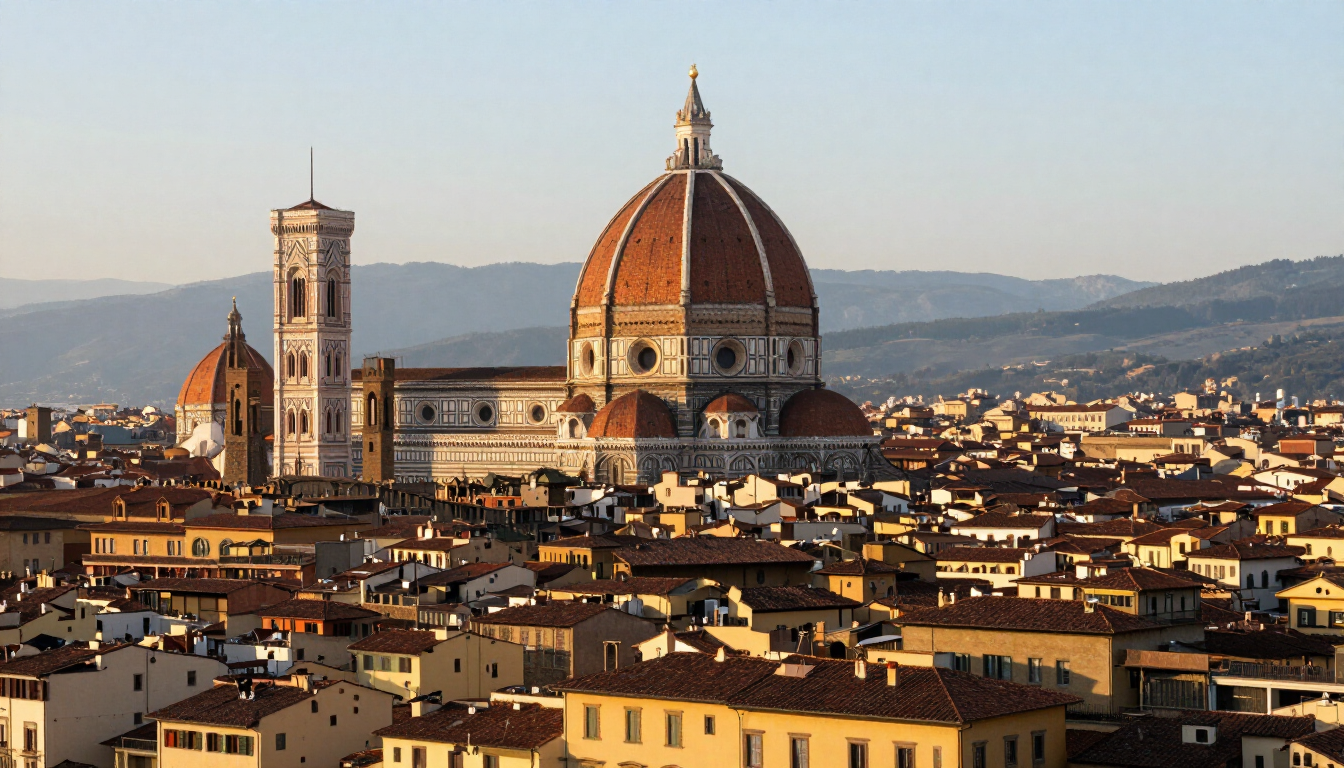
Photorealistic view of Florence with the Duomo and historic rooftops

1. Begin at Florence’s Duomo

The Cathedral of Santa Maria del Fiore is the natural starting point for first-time visitors. Its enormous terracotta dome, designed by Filippo Brunelleschi, defines the city skyline and remains one of Italy’s great architectural achievements.

Take time to see the full complex rather than viewing the cathedral from one angle. The area includes:

  • Florence Cathedral, with its marble façade
  • Brunelleschi’s Dome
  • Giotto’s Bell Tower
  • The Baptistery of Saint John
  • The Museo dell’Opera del Duomo

If you want to climb the dome or bell tower, book ahead and consider whether the stairs suit your group. The climb is demanding, but the views reward visitors who enjoy a physical adventure. If not, admire the architecture from street level and visit the museum for a quieter introduction to the cathedral’s history.

Early morning is usually the most comfortable time to explore the square. It offers softer light, fewer crowds, and a better chance to appreciate the scale of the buildings before the busiest part of the day.

2. Which Renaissance landmarks should you see next?

From the Duomo, walk toward Piazza della Signoria, Florence’s historic civic center. The square feels like an open-air sculpture gallery, with statues and architectural details competing for your attention.

Look for Palazzo Vecchio, the former seat of Florentine government, and the Loggia dei Lanzi, where important sculptures stand beneath a covered arcade. Nearby, the Uffizi Gallery houses masterpieces by Botticelli, Leonardo da Vinci, Michelangelo, and other Renaissance artists.

First-time visitors often try to see the Uffizi too quickly. A better approach is to choose a few artists or rooms in advance, then allow time for the experience to remain enjoyable. A private guide can make the collection easier to understand, especially for families or travelers who want context without an art-history lecture.

Palazzo Vecchio is another excellent choice if you prefer political history, grand interiors, and Medici stories. Together, the square and its museums explain why Florence became such an influential center of European culture.

3. Why is Ponte Vecchio worth visiting?

Ponte Vecchio is more than a picturesque bridge. It is a working piece of Florentine history and one of the city’s most recognizable landmarks. Its shops, stone arches, and reflections on the Arno create an unmistakable Florence moment.

Visit during the day to see the bridge’s architecture and jewelry shops, then return near sunset when the river and surrounding buildings take on warmer colors. The bridge can be crowded, so avoid rushing across it. Pause at the sides to look toward the river and the nearby bridges.

For a different perspective, walk along the Arno’s banks or cross to the Oltrarno side. This turns a brief photo stop into a natural transition between central Florence and a more residential neighborhood.

Discovering the quieter side of Florence

4. What can you experience in Oltrarno?

Oltrarno means “the other side of the Arno,” and the district offers a welcome change of pace after Florence’s busiest monuments. It is known for artisan workshops, independent businesses, historic churches, gardens, and neighborhood restaurants.

Begin around Santo Spirito, where the square has a distinctly local atmosphere. Continue toward San Frediano and the lanes around Via Maggio, known for antique dealers and traditional craft businesses. Depending on your interests, you might find:

  • Handmade leather goods
  • Woodworkers and restorers
  • Jewelry studios
  • Bookbinders and paper artisans
  • Small galleries and design shops

Oltrarno is especially rewarding when explored without a rigid schedule. Leave room for an espresso, an unplanned shop, or a short conversation with a craftsperson. Travelers interested in this side of the city can explore The Artisans of Florence private journey , designed around the creativity and craftsmanship that still shape local life.

5. How can you experience Florence’s food culture?

Food is one of the easiest ways to understand Florence beyond its monuments. The city’s traditional cuisine is straightforward, seasonal, and rooted in Tuscan ingredients rather than elaborate presentation.

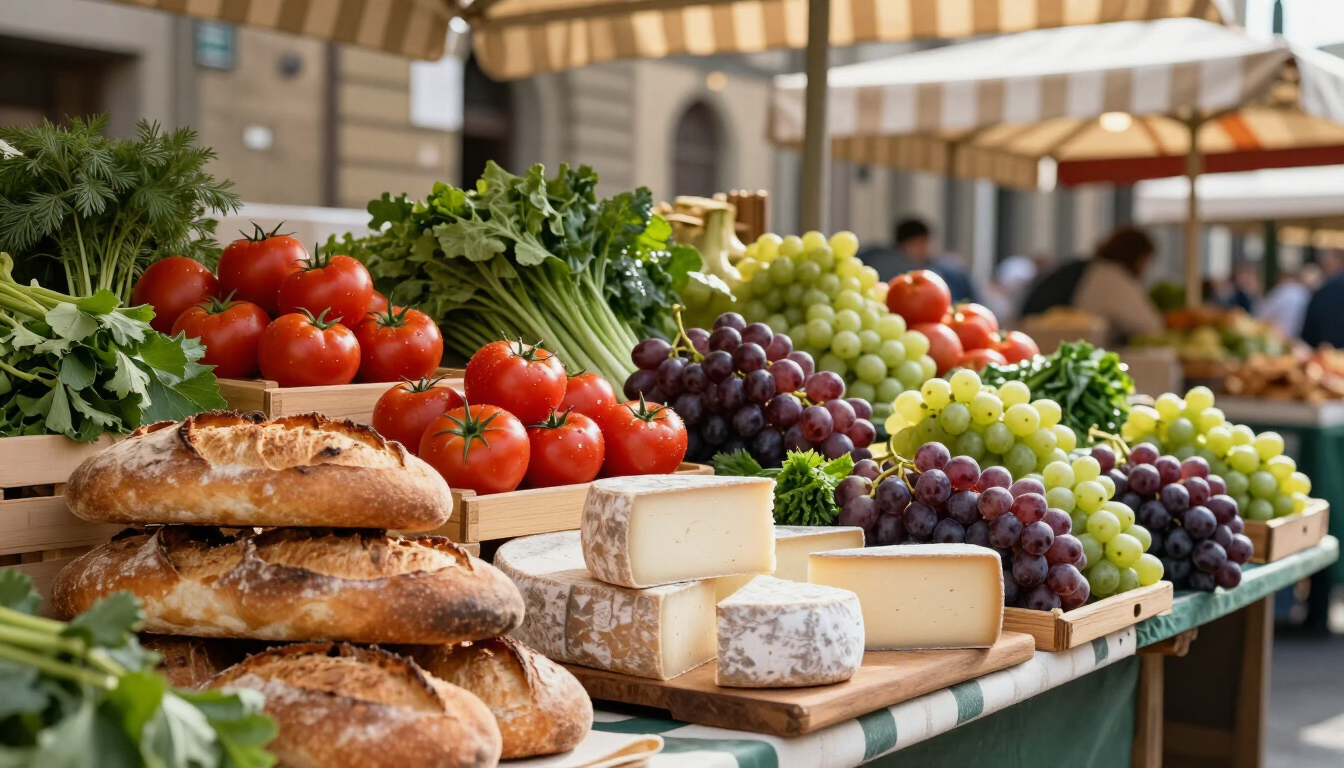
Visit a historic food market to see how residents shop and eat. Mercato Centrale is convenient and lively, while Sant’Ambrogio Market offers a more neighborhood-oriented experience. Depending on the season, look for fresh produce, local cheeses, cured meats, bread, and regional specialties.

Try classic dishes such as ribollita, pappa al pomodoro, schiacciata, or bistecca alla fiorentina. Ask for recommendations rather than ordering only familiar Italian staples. A knowledgeable local guide can also help you distinguish genuinely traditional food from menus designed mainly for passing tourists.

A market visit becomes even more memorable when paired with a tasting walk. Florence Connection’s Florence Walking & Market Gourmet Tour combines local flavors, historic streets, and stories that bring the city’s food culture to life.

Photorealistic Florentine food market with fresh produce, bread, and local specialties

Planning a more personal first visit

6. Should you choose a private tour in Florence?

A private tour is useful when you want flexibility, deeper context, or a pace tailored to your companions. Rather than following a fixed group schedule, you can spend more time on the subjects that interest you and adjust the route around children, mobility needs, dining plans, or museum reservations.

A private guide can help you:

  • Combine nearby landmarks efficiently
  • Avoid spending valuable time navigating unfamiliar streets
  • Understand Renaissance history through local stories
  • Discover artisan studios and food traditions
  • Adapt the day when weather or energy levels change

For travelers who want a broader overview, explore Florence private tours . If you prefer to shape the experience around your own priorities, design your Tuscan adventure before arrival.

7. When should you visit Florence’s main attractions?

Good timing can make a major difference. Reserve popular museums and timed-entry attractions before your trip, particularly during spring, summer, and major holidays. Check official opening information because schedules and access rules can change.

A practical rhythm is:

  • Morning: Duomo area or a museum reservation
  • Midday: Market lunch and a slower neighborhood walk
  • Afternoon: Oltrarno, artisan shops, or another museum
  • Evening: Aperitivo, dinner, and a riverside stroll

Avoid filling every hour. Florence is compact enough to explore on foot, but its streets, stairways, and crowds can make an ambitious schedule tiring. Building in pauses usually leads to a more enjoyable day.

8. What should families and couples prioritize?

Families often benefit from short, varied visits rather than several hours in one museum. Pair a major landmark with gelato, a market stop, or an interactive artisan experience. A guide who can tell stories at the right level makes the city more engaging for younger travelers.

Couples may prefer an early museum visit followed by a leisurely lunch, an Oltrarno walk, and sunset near the Arno. Affluent travelers seeking privacy and convenience can consider private chauffeured experiences , particularly when combining Florence with the Tuscan countryside.

Every group has different priorities. The best itinerary is not the one with the most stops; it is the one that feels considered, comfortable, and genuinely connected to the destination.

Beyond the city center

9. Can you add the Tuscan countryside to a Florence trip?

Yes. Florence works well as a base for a private day in Tuscany, especially when you want to complement Renaissance art with landscapes, villages, and regional food and wine.

Possible additions include:

  • Siena and San Gimignano for medieval streets and hill-town views
  • Chianti for vineyard scenery and relaxed tastings
  • Lucca and Pisa for historic architecture and distinctive city character
  • Montepulciano and Montalcino for celebrated Tuscan wines
  • Arezzo for art, antiques, and a less predictable route

A countryside day requires thoughtful planning because public transport does not always connect rural destinations efficiently. A private vehicle and local driver allow you to focus on the experience rather than parking, transfers, or navigating unfamiliar roads.

Florence Connection offers several routes, including the Siena and Chianti Private Escape and Flavors of Montepulciano and Montalcino . These experiences can be shaped around your interests, preferred pace, and dining or tasting preferences.

10. How many days do you need in Florence?

Two full days can cover the essential landmarks, while three or four days allow a more relaxed and layered experience. With two days, focus on the Duomo, Piazza della Signoria, one major museum, Ponte Vecchio, and either Oltrarno or a food market.

With additional time, add artisan workshops, gardens, lesser-known churches, or a day in the countryside. Florence rewards repeat visits because its details become more visible once you are no longer trying to see everything at once.

A simple first-time Florence itinerary

Day one: Start at the Duomo, continue to Piazza della Signoria and the Uffizi, then cross Ponte Vecchio and enjoy dinner in Oltrarno.

Day two: Visit a food market, explore Santo Spirito and artisan workshops, and choose either Palazzo Vecchio, the Accademia, or a relaxed museum alternative.

Day three: Take a private excursion into Tuscany or spend a slower day discovering gardens, small galleries, and local neighborhoods.

Final takeaways for your Florence visit

The best things to do in Florence combine essential landmarks with experiences that reveal everyday culture. See the Duomo, Piazza della Signoria, and Ponte Vecchio, but also make time for Oltrarno, a market, and local craftsmanship. Book major attractions ahead, keep your schedule flexible, and choose a private guide or chauffeured experience when convenience and personal context matter. Before you travel, decide whether your priority is art, food, history, shopping, or the countryside, then build a balanced itinerary around it. Florence is most memorable when you leave space to explore beyond the checklist.

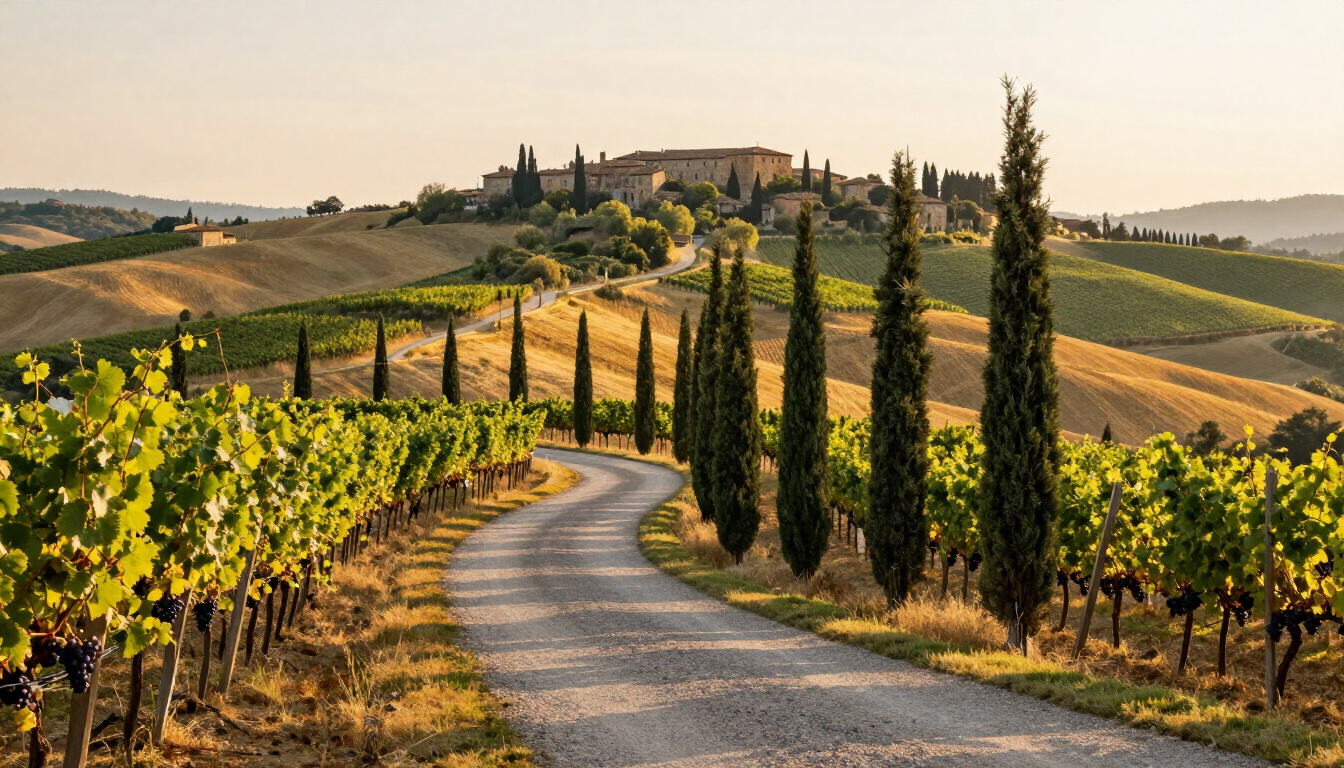
Tuscany by road through vineyards, rolling hills, and cypress trees
September 10, 2026
Plan Tuscany by road through Chianti, Siena, Val d’Orcia, Montepulciano, and Montalcino with scenic routes, private chauffeurs, and practical itinerary advice.
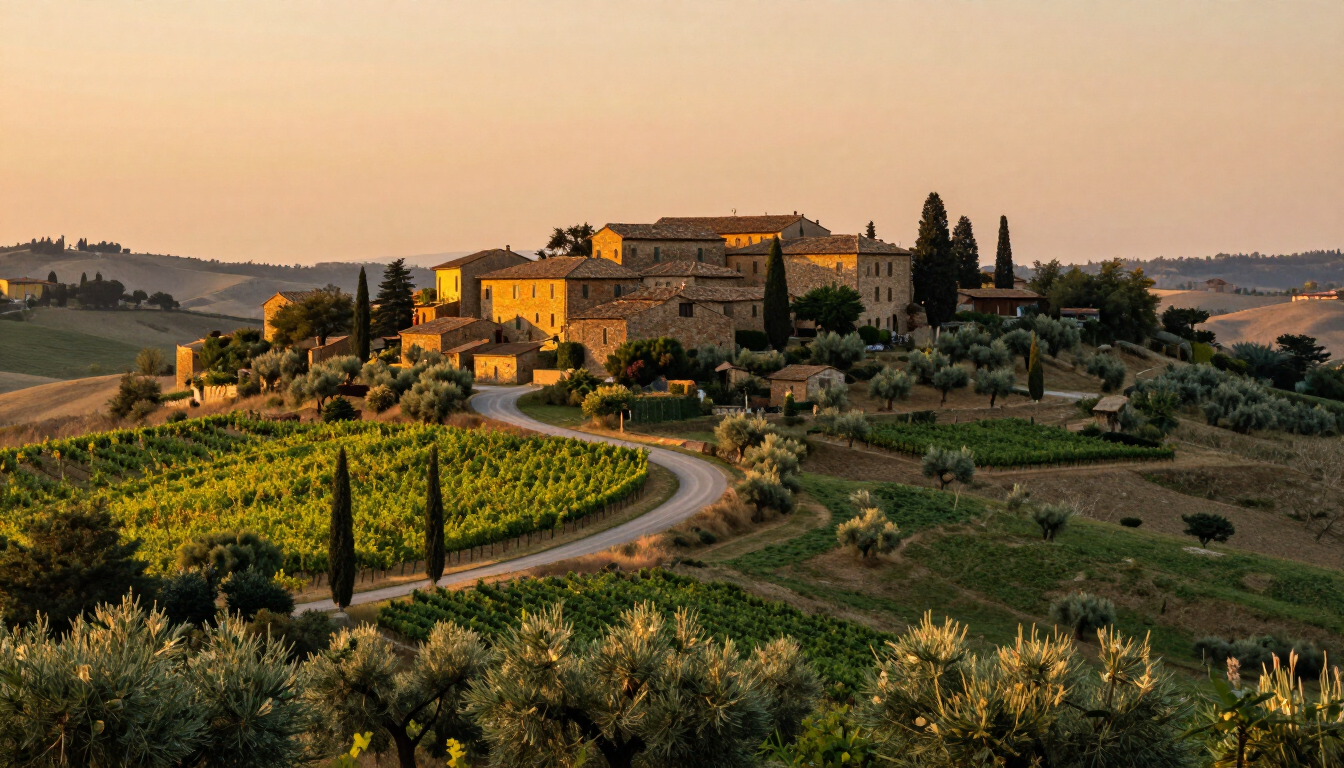
Hidden Tuscany hill town, vineyards, and olive groves
September 10, 2026
Discover hidden Tuscany through authentic hill towns, artisan traditions, local food, wine, and private countryside experiences beyond the usual tourist routes.
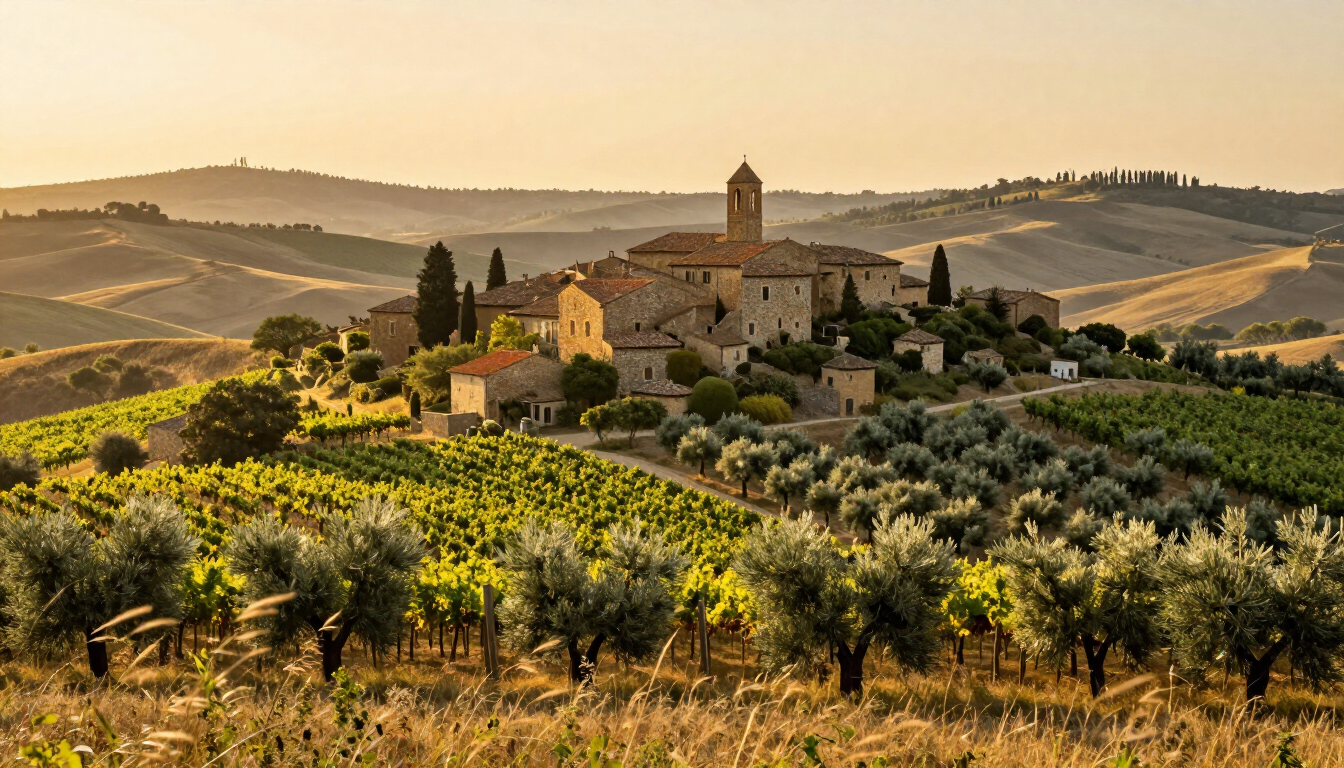
Quiet Tuscany countryside with vineyards and a hilltop village
September 10, 2026
Discover quiet Tuscany through private tours, hidden villages, artisan encounters, local food, wine, and slower journeys away from busy tourist routes.
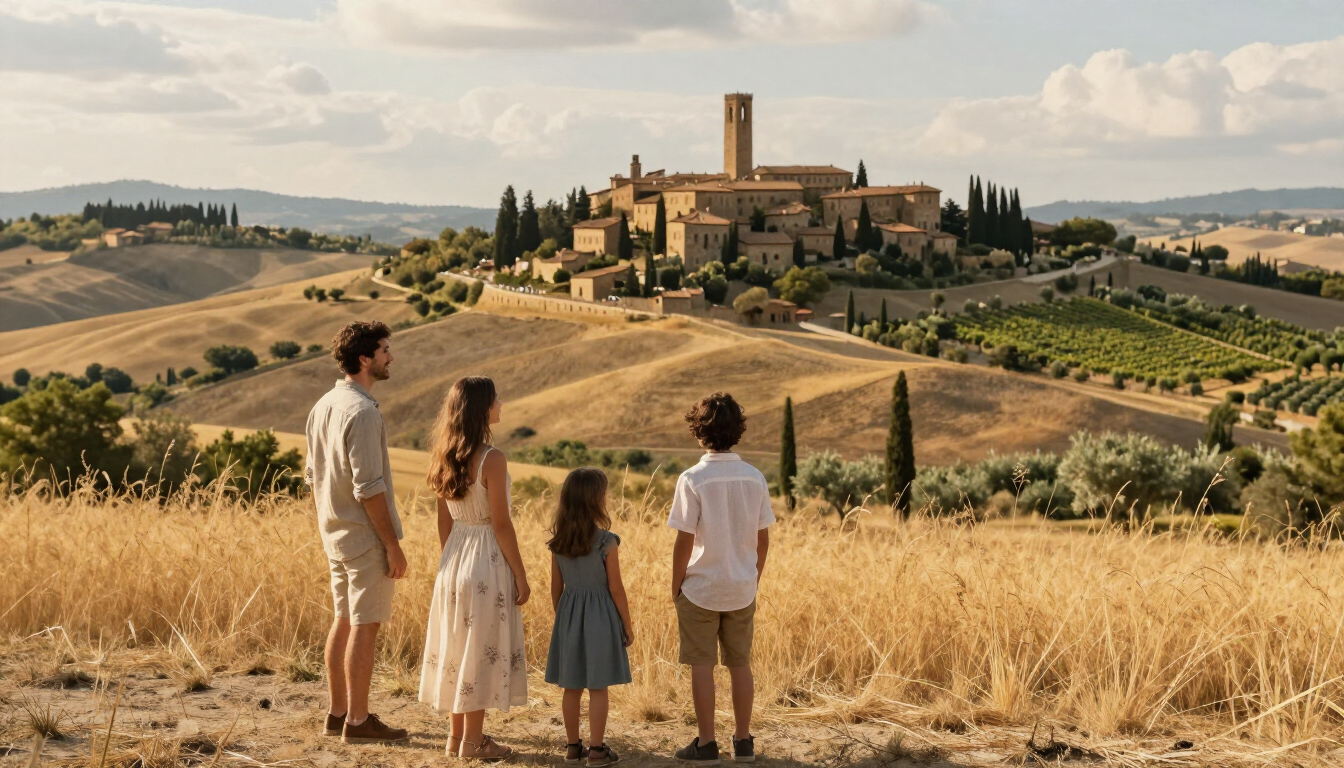
Family enjoying a family-friendly Tuscany itinerary in the countryside
September 10, 2026
Plan a family-friendly Tuscany itinerary with Florence, hill towns, countryside, food, culture, private transport, and flexible experiences for every age.
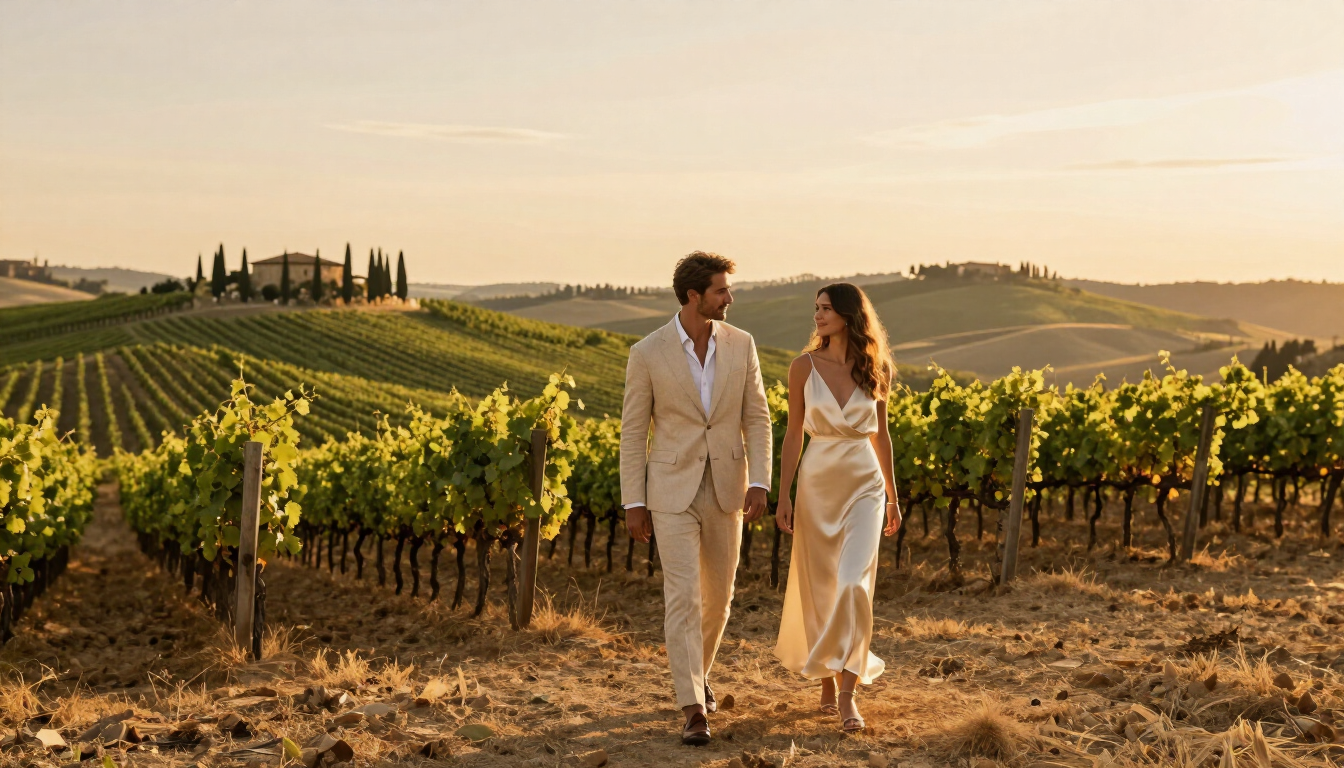
Romantic Tuscany itinerary for couples in the countryside
September 10, 2026
Plan a romantic Tuscany itinerary for couples with Florence, Siena, Chianti, Val d’Orcia, wine tasting, private tours, and luxurious countryside moments.
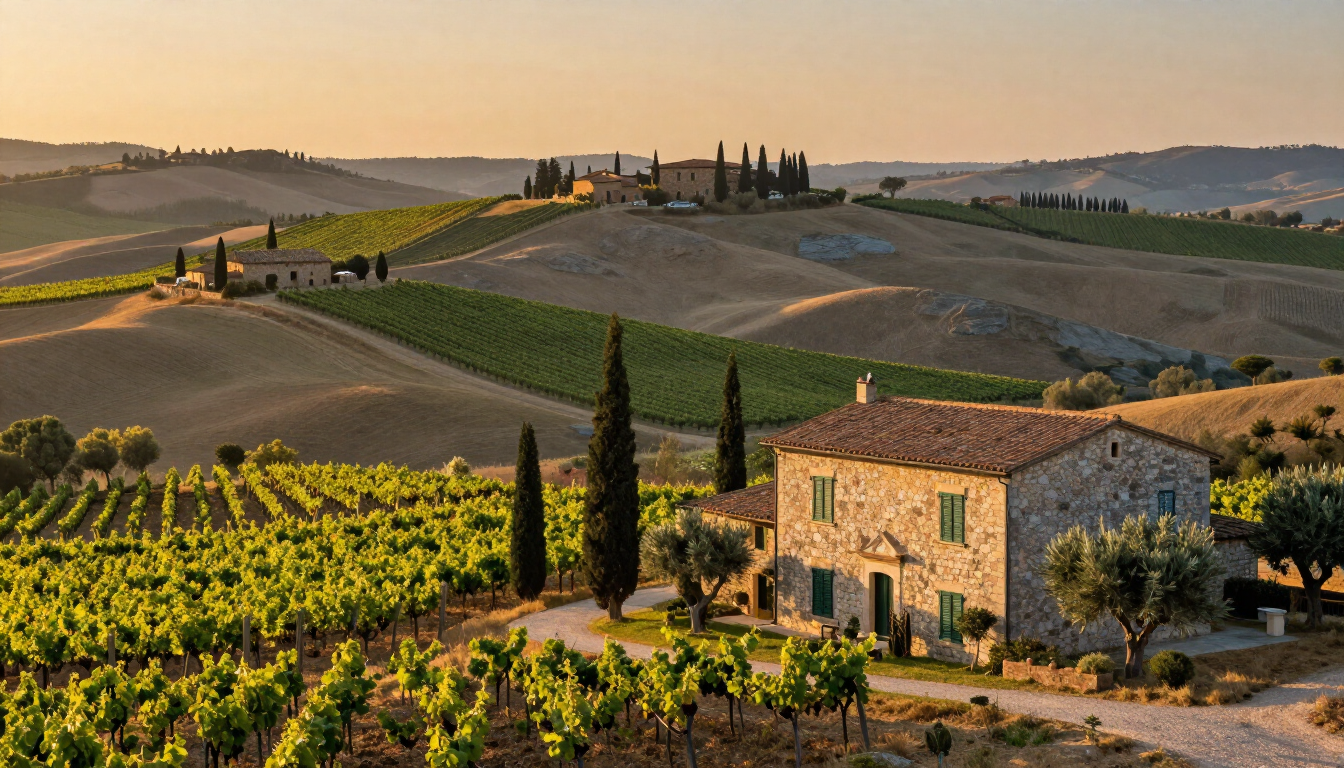
Best time to visit Tuscany for vineyards and countryside travel
September 10, 2026
Discover the best time to visit Tuscany for wine, culture, food, countryside walks, artisan experiences, and quieter travel with this practical seasonal guide.
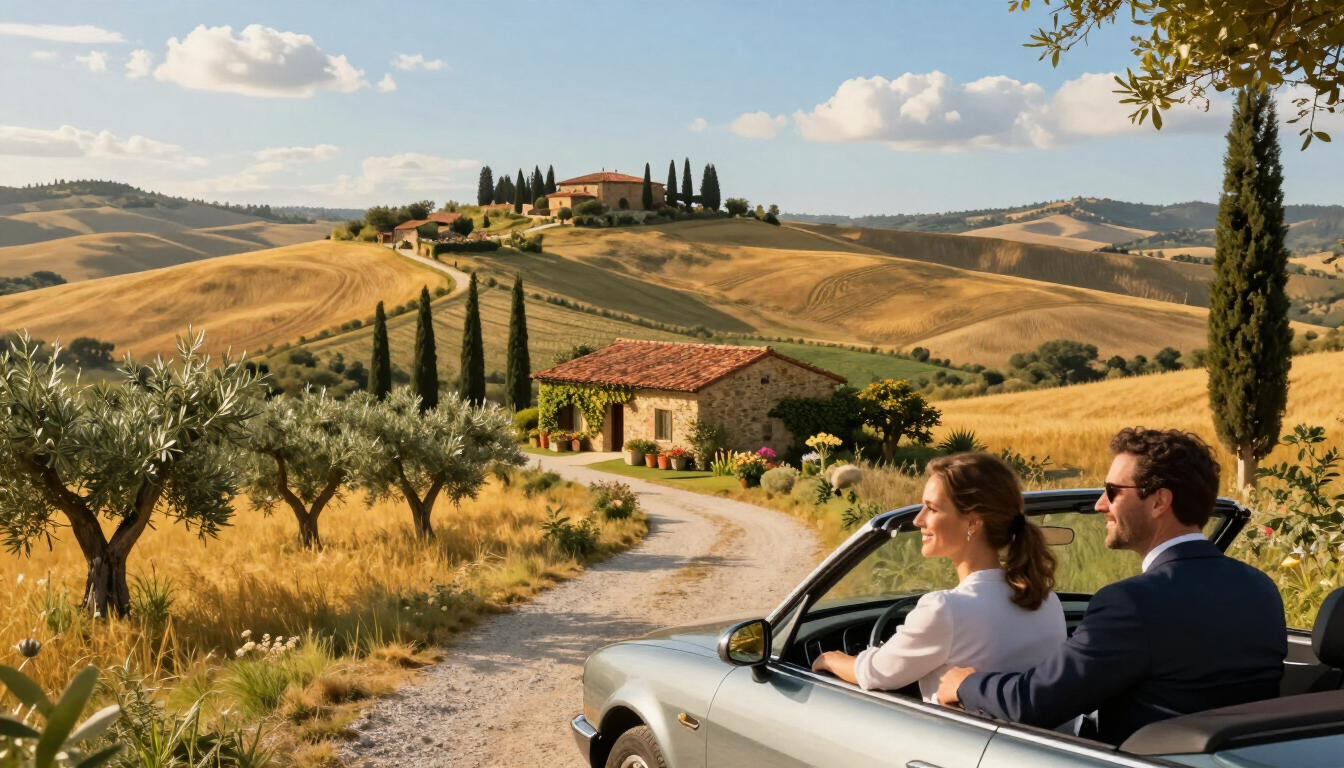
Private Tuscany tour through rolling vineyards and hill towns
September 10, 2026
Plan a private Tuscany tour with expert guides, private transport, flexible itineraries, and authentic Siena, San Gimignano, Chianti, wine, and food experiences.
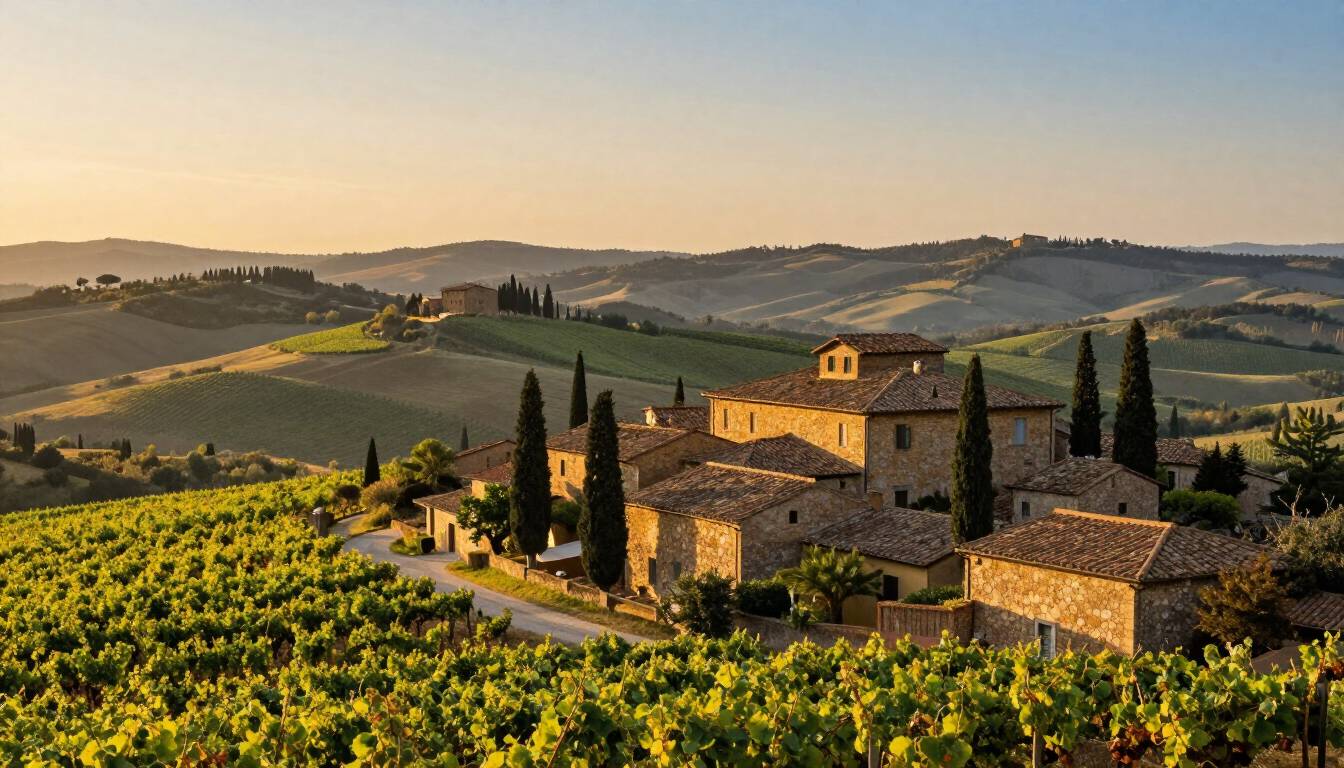
Most beautiful towns in Tuscany with medieval rooftops and vineyards
September 10, 2026
Discover the most beautiful towns in Tuscany, from Siena and San Gimignano to Lucca, Montepulciano, and Montalcino, and choose the right stops for your trip.
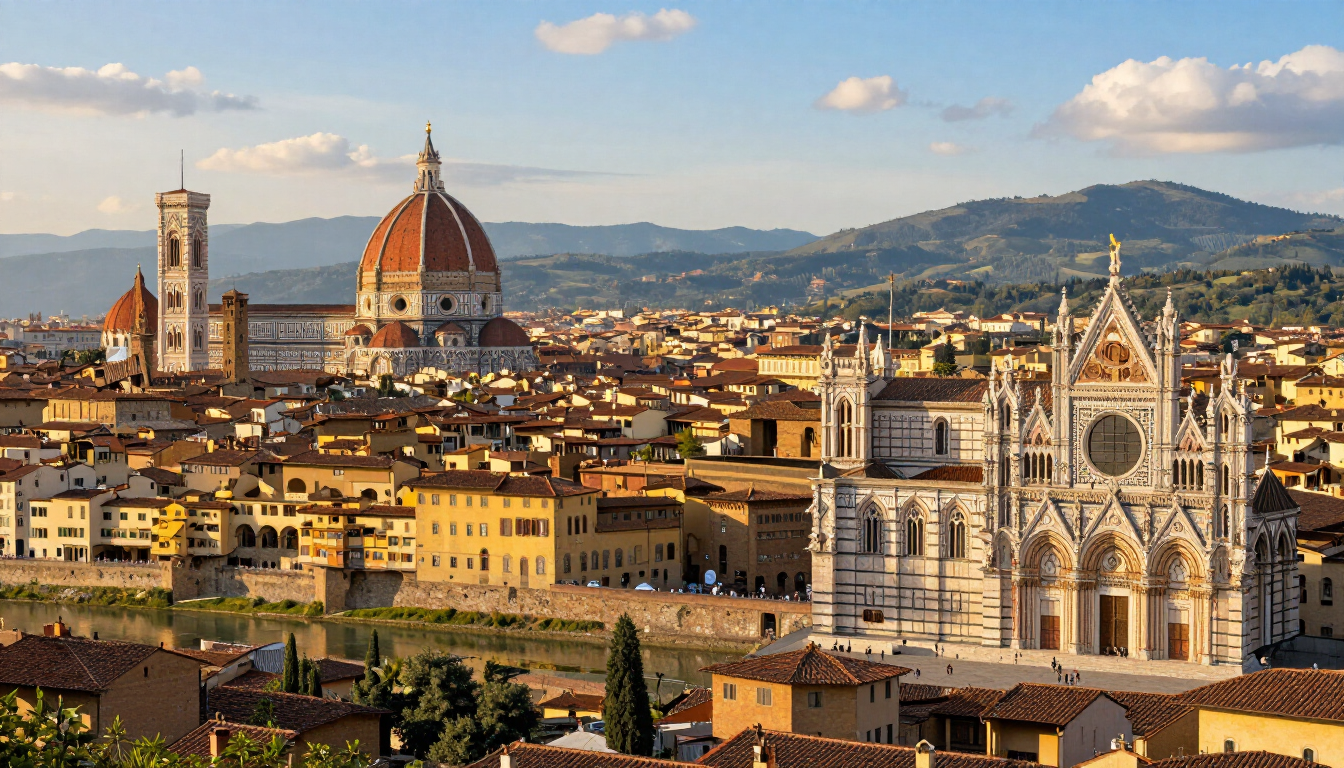
Florence vs Siena travel comparison with Tuscan city views
September 10, 2026
Florence vs Siena compared by history, art, food, atmosphere, sightseeing, and private experiences—so you can choose one or combine both in Tuscany.
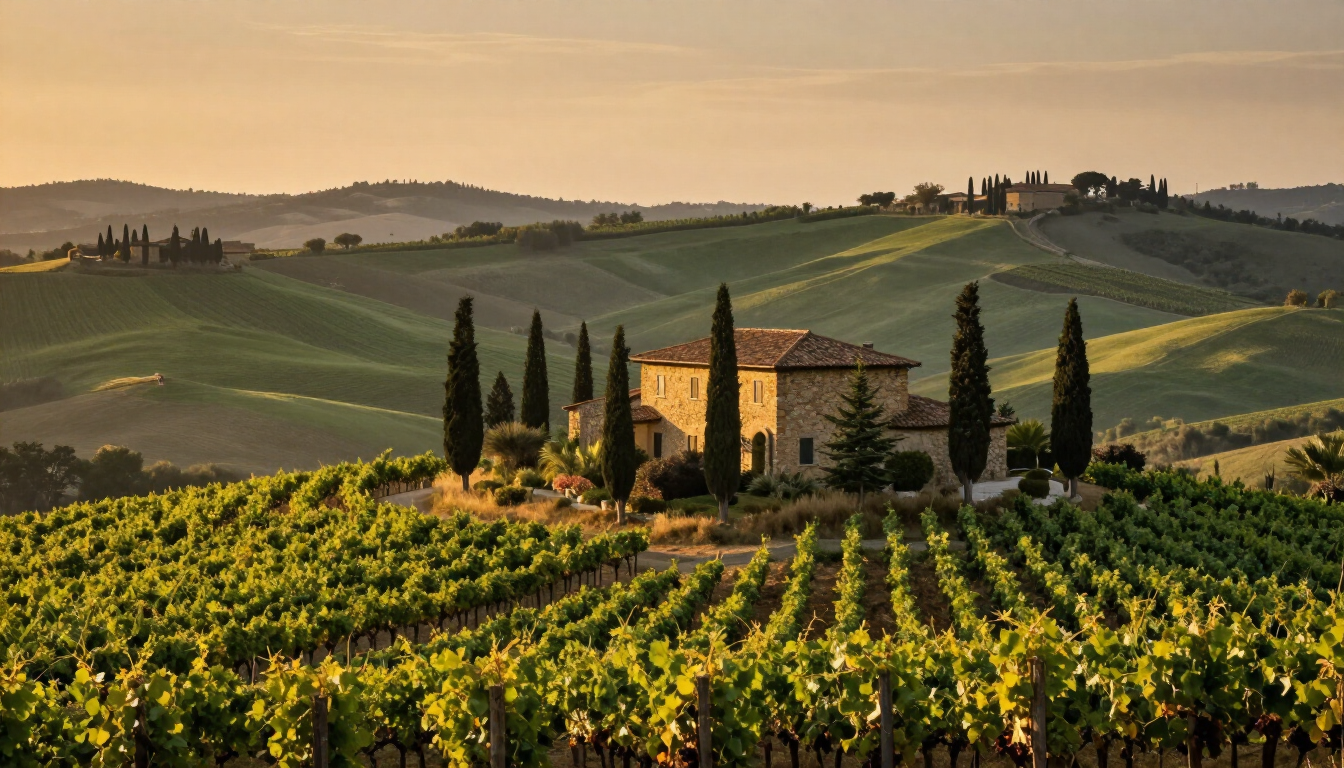
Best places to visit in Tuscany from Florence
September 10, 2026
Discover the best places to visit in Tuscany from Florence, from Siena and Chianti to Val d’Orcia, with practical ideas for private day trips, wine, food, culture, and scenery.

Show More