
How to Plan a Family-Friendly Tuscany Itinerary
A family-friendly Tuscany itinerary balances famous sights with slower mornings, short travel days, private transportation, and memorable local experiences. Start in Florence, add carefully chosen hill towns and countryside stops, and leave room for gelato, playgrounds, scenic breaks, and spontaneous discoveries that keep every generation comfortable and engaged.
What makes a Tuscany itinerary family-friendly?
The best family trip to Tuscany is not a checklist of every landmark. It is a flexible journey built around manageable distances, varied activities, and enough downtime to prevent children—and parents—from feeling rushed.
A comfortable plan usually includes:
- Two or three nights in Florence for art, markets, and easy walking
- One countryside base rather than changing hotels every night
- Private transportation for convenience and scenic flexibility
- Historic towns balanced with food, nature, and hands-on experiences
- Open time for rest, swimming, gelato, and family preferences
Tuscany works especially well for families because adults can enjoy history, architecture, wine, and cuisine while children experience castles, towers, local food, animals, landscapes, and stories brought to life by an engaging guide.
How many days do families need in Tuscany?
Seven to ten days is an ideal length for a first family visit. It allows time for Florence, two or three countryside excursions, and slower days without turning the holiday into a constant series of check-ins and departures.
For a shorter trip, use this framework:
- Five days: Florence plus one countryside day trip
- Seven days: Florence, Siena or San Gimignano, and a countryside base
- Ten days: Florence, southern Tuscany, and additional food or nature experiences
- Two weeks: Add Lucca, Pisa, Arezzo, Umbria, or a relaxed coastal extension
Travel times can look short on a map but feel longer with young children. A private driver or chauffeured experience makes it easier to stop for photographs, snacks, viewpoints, and bathroom breaks without worrying about train schedules or parking.
A relaxed seven-day family itinerary
This sample itinerary is designed as a starting point, not a rigid schedule. Adjust the pace according to your children’s ages, interests, energy levels, and travel season.
Days 1–2: Discover Florence at an easy pace
Arrive in Florence and keep the first afternoon intentionally light. Walk through the historic center, pause in a piazza, and enjoy an early Italian dinner. If your children are tired after the journey, a short neighborhood stroll is enough.
On the second day, explore Florence through a focused route rather than attempting every museum. Families may enjoy:
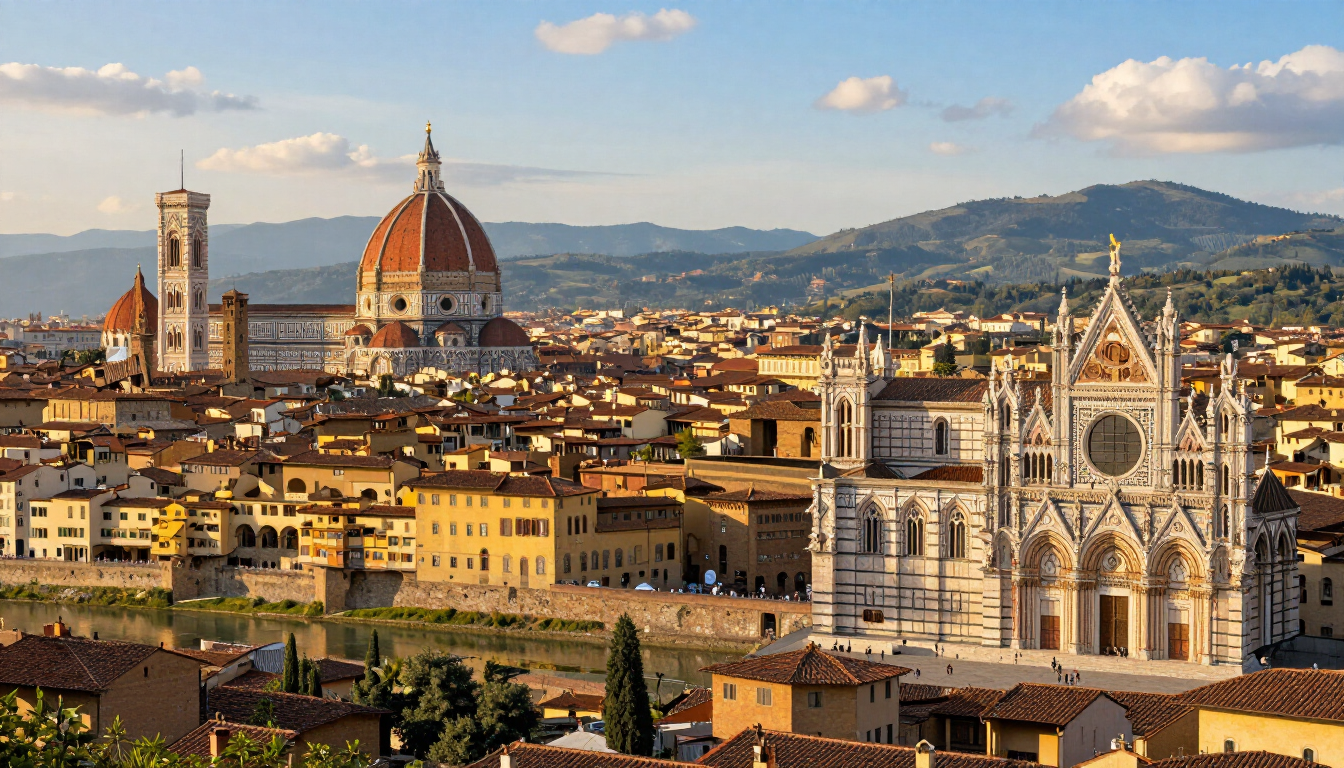
- Piazza del Duomo and the exterior of the cathedral
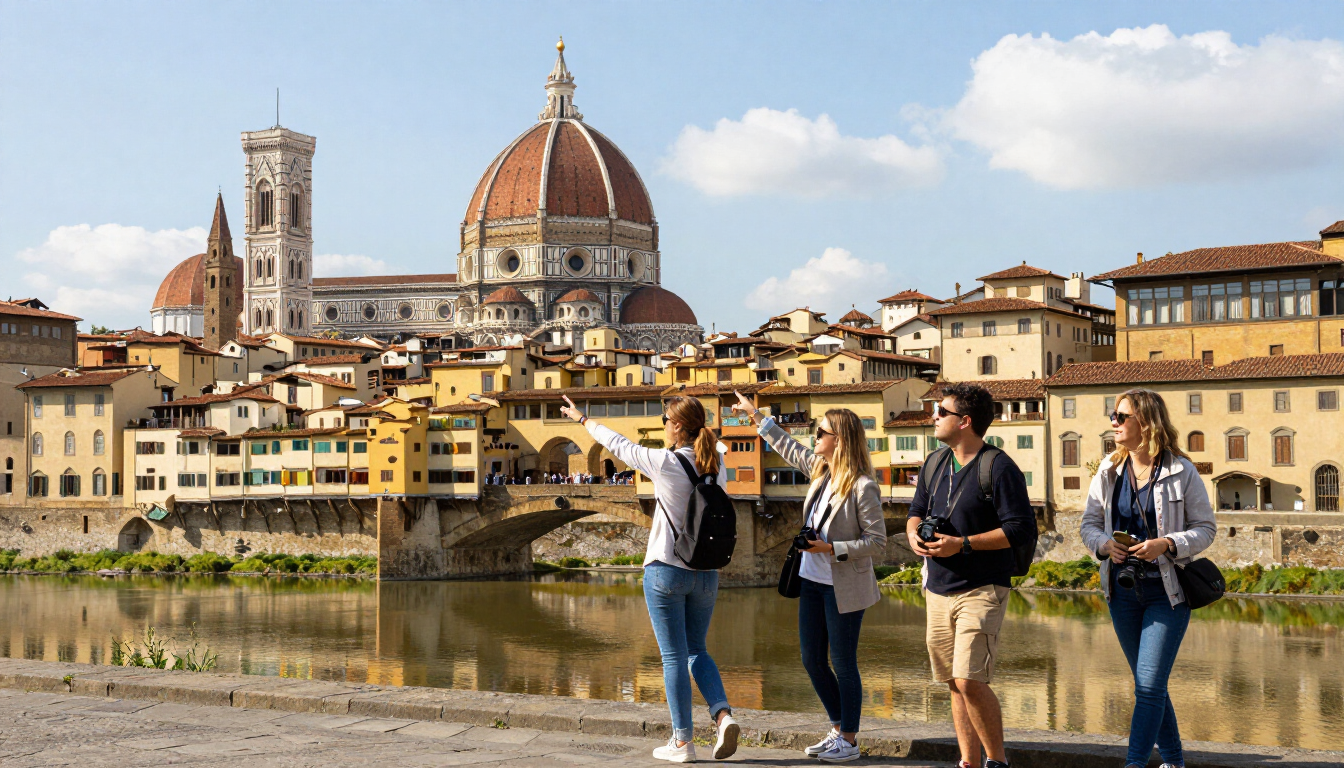
- Ponte Vecchio and the Arno riverfront
- A market visit with fruit, pastries, and local specialties
- A kid-friendly storytelling walk through historic streets
- Boboli Gardens or another green space for movement and fresh air
A private walking experience can make Florence more approachable. Children often engage more readily when they hear stories about Medici families, artists, rival neighborhoods, unusual symbols, and daily life instead of receiving a long formal lecture.
For a food-focused introduction, consider The Essence of Florence Walking & Market Gourmet Tour . A market visit gives adults an authentic taste of the city while children can discover colorful produce, fresh pasta, breads, and sweets.
Day 3: Choose a countryside base
Move from Florence to a countryside accommodation or remain in the city and take a private day trip. Families who prefer fewer hotel changes should choose one base in the Chianti area or near Siena for the middle of the holiday.
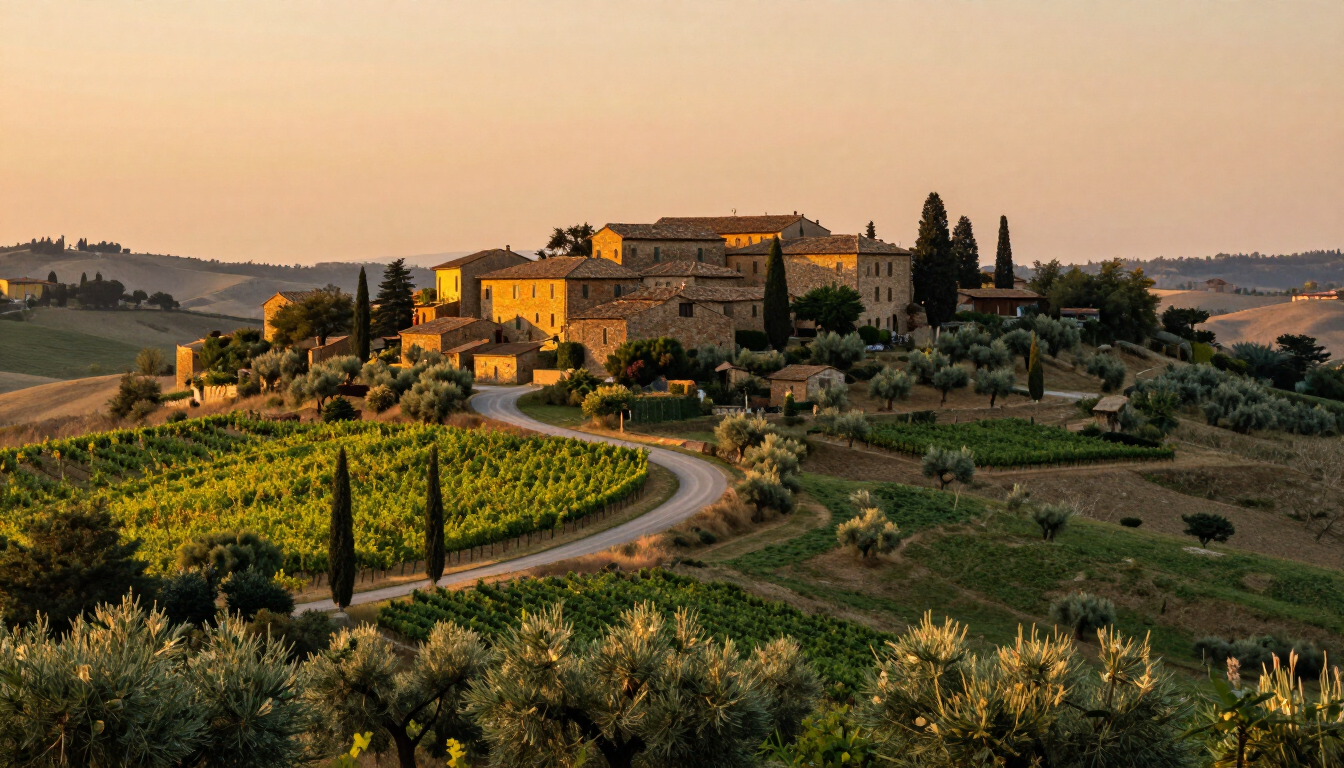
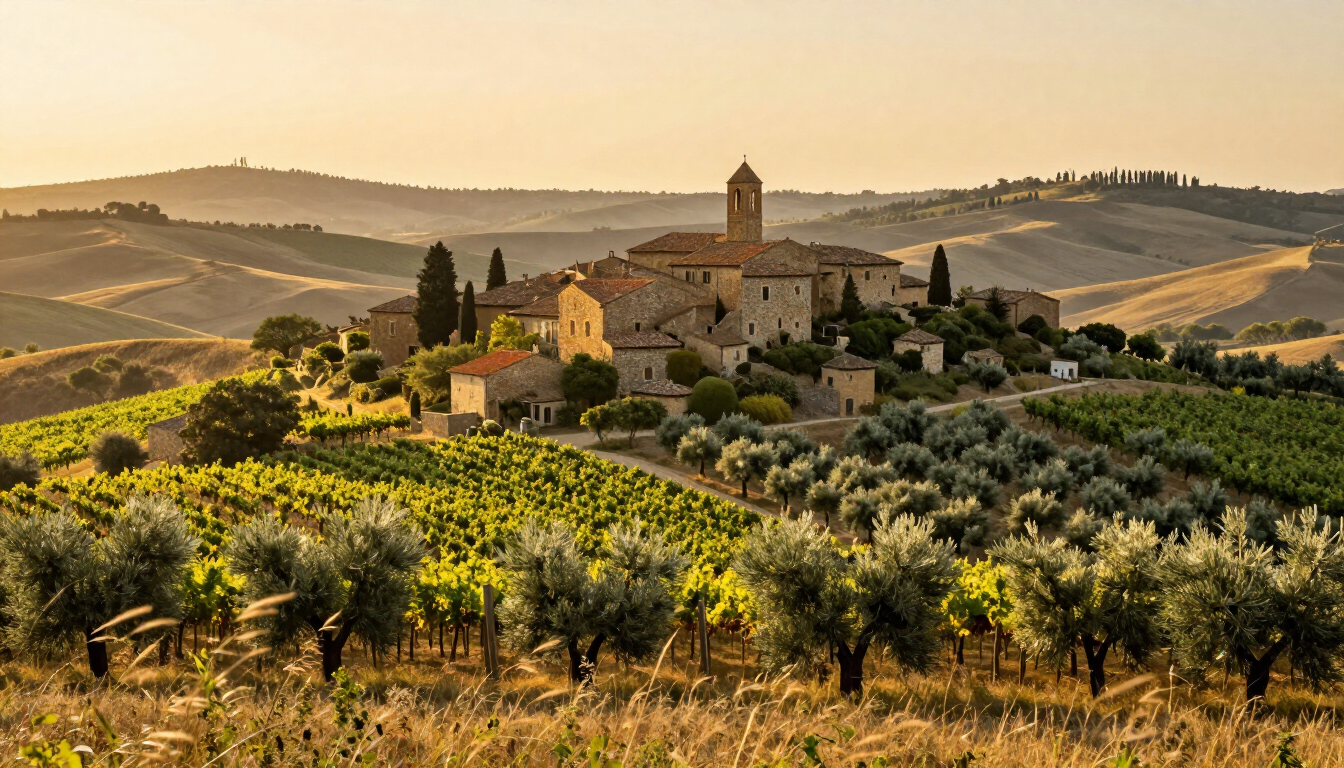
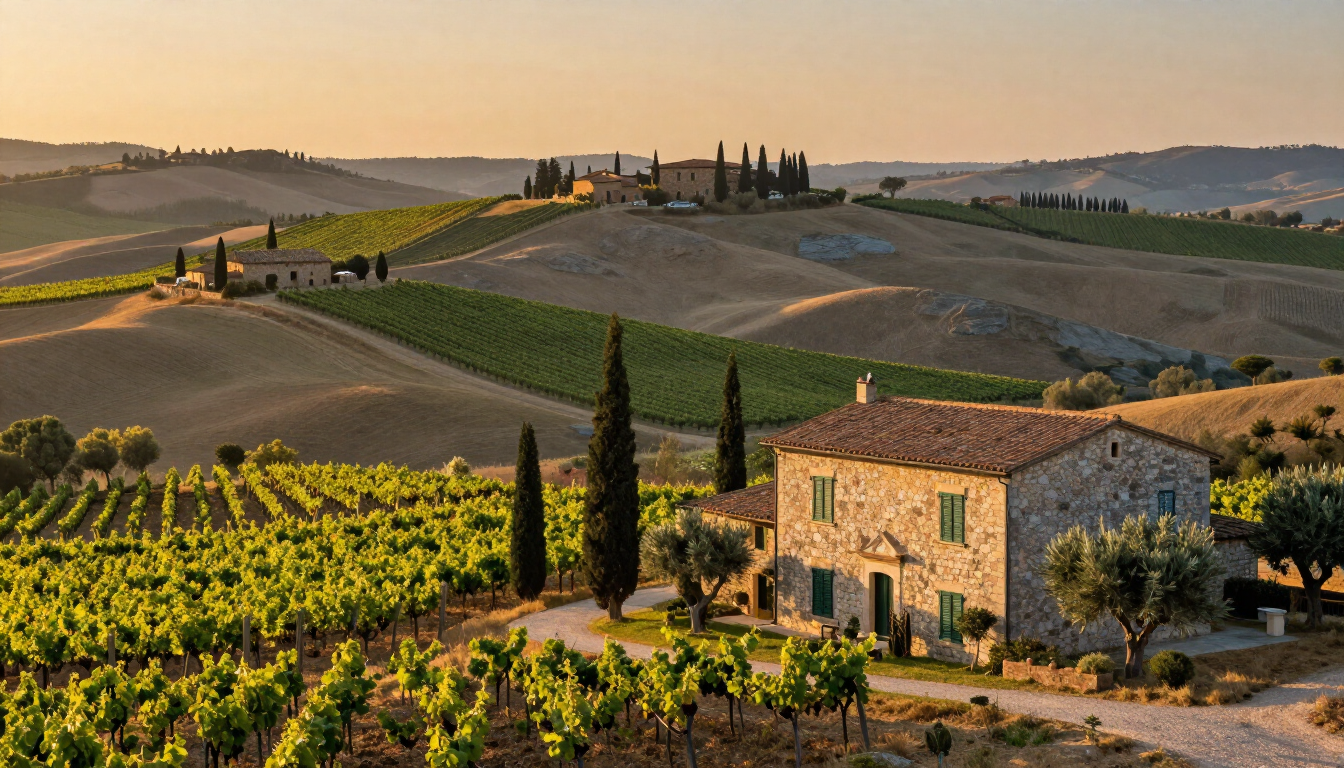
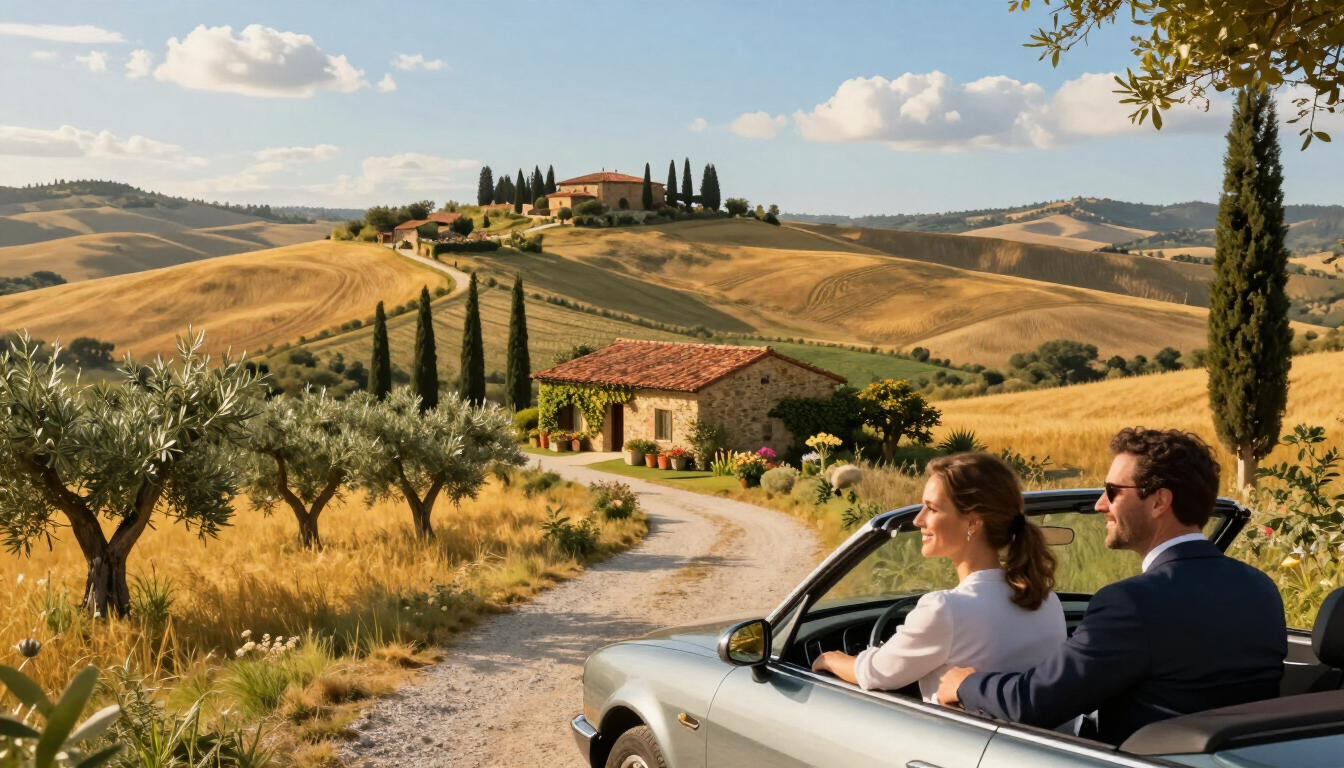
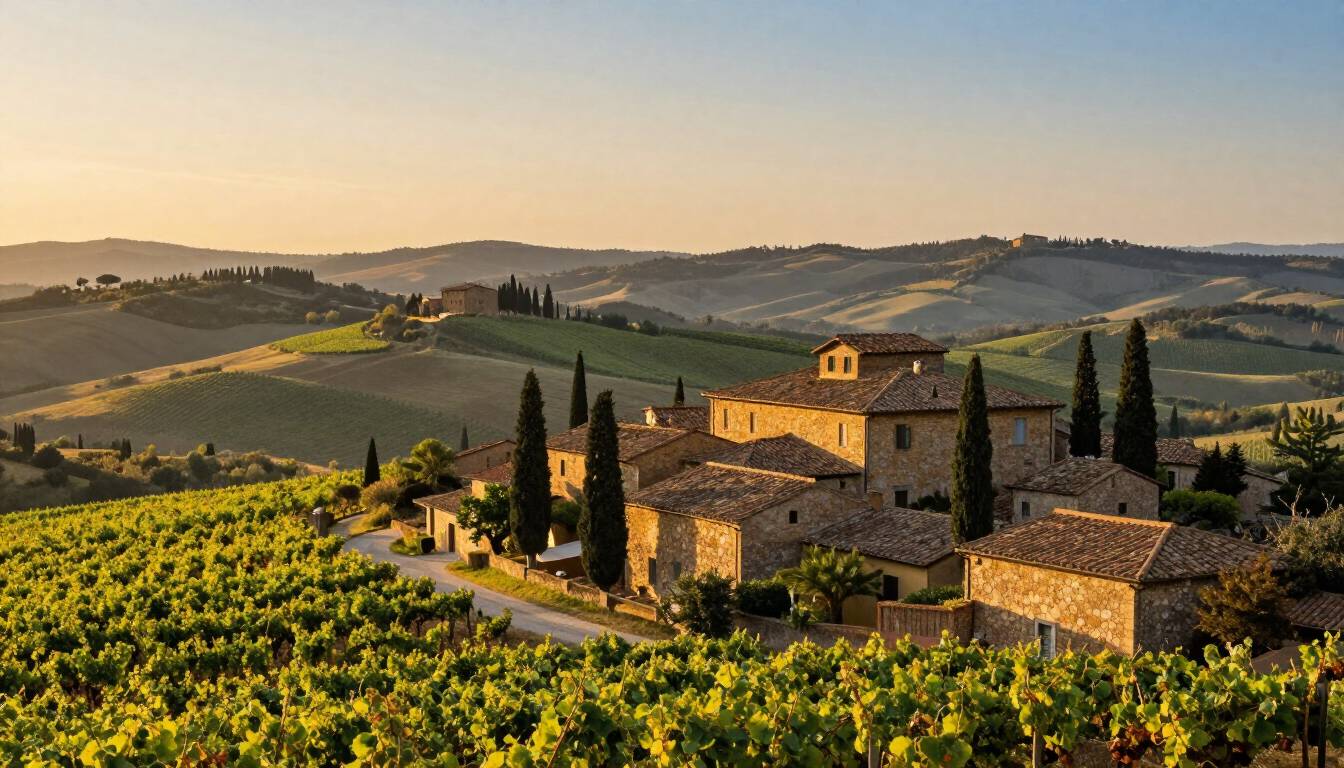
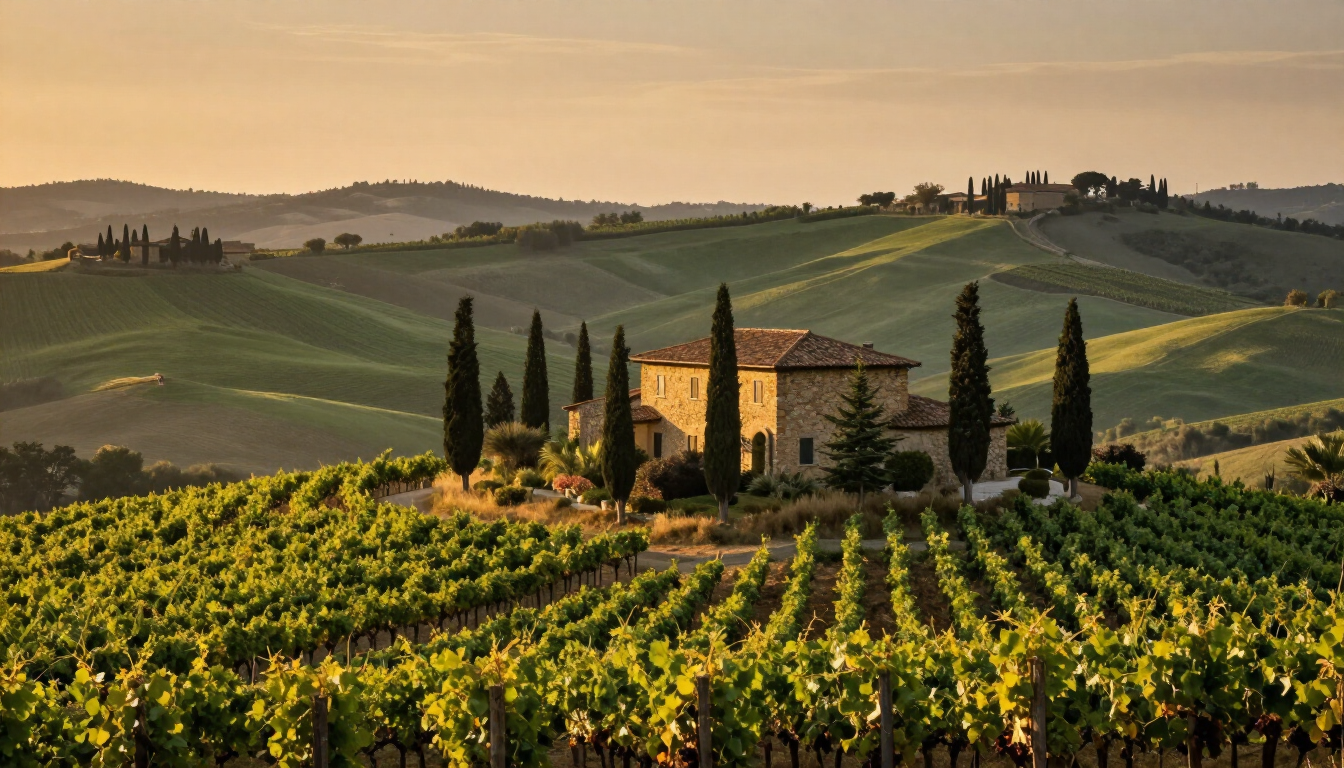
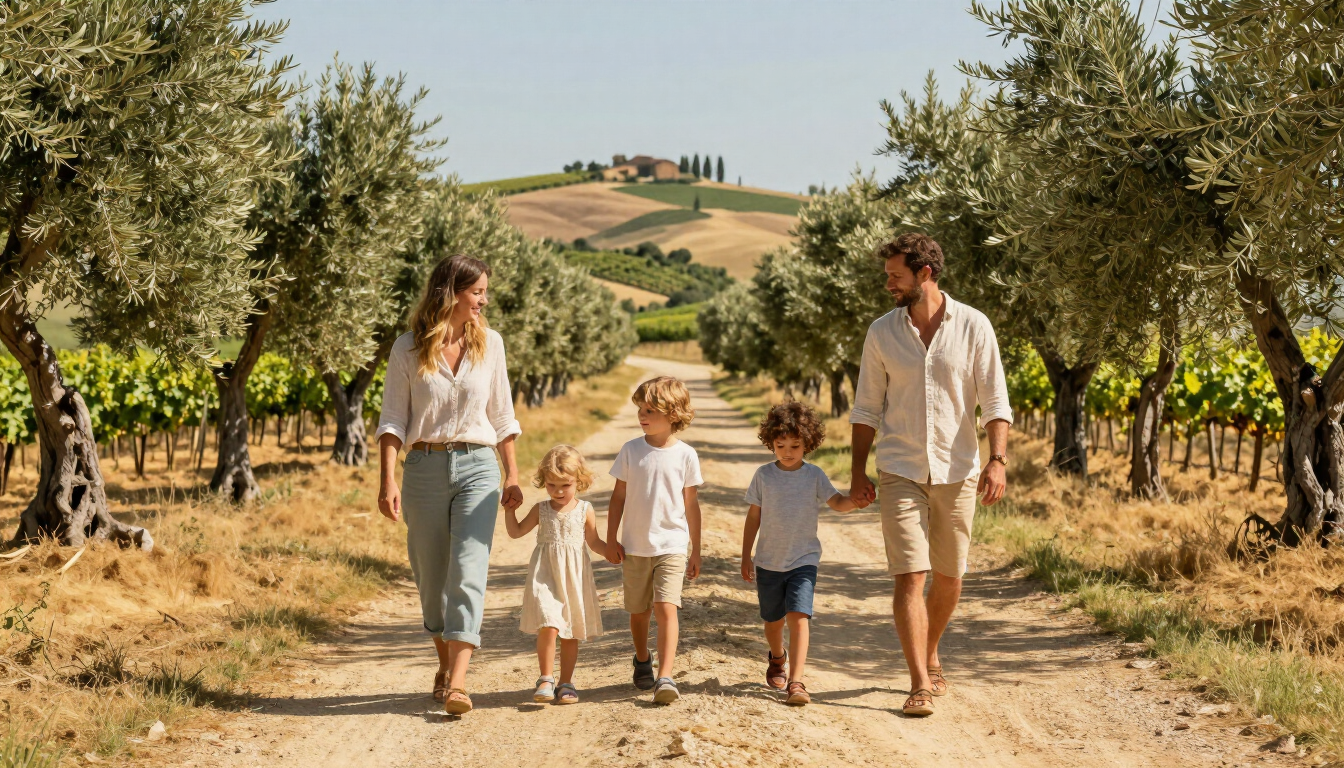
The journey itself can become part of the experience. Plan a scenic drive through vineyards and olive groves, with a stop at a panoramic viewpoint or a small village. Keep the schedule to one principal destination and one meaningful stop rather than trying to visit several towns in a single day.
A family-friendly countryside day might include:
- A relaxed departure after breakfast
- A short visit to a historic village
- Lunch featuring simple Tuscan dishes
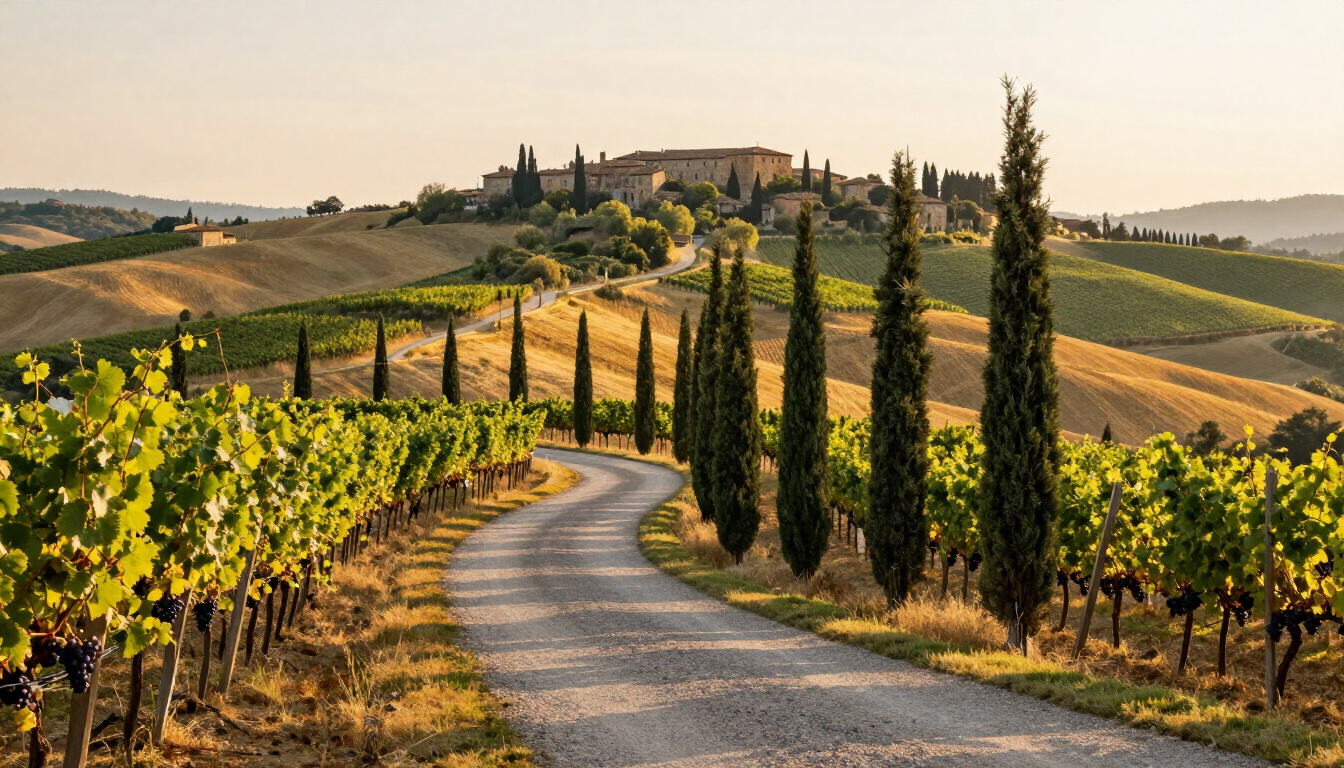
- A scenic drive through vineyards and cypress-lined roads
- Time at the accommodation pool or garden
Days 4–5: Explore Siena and San Gimignano
Siena and San Gimignano offer a strong combination of history, atmosphere, and visual drama. Both are rewarding, but families should avoid treating them as a race.
In Siena, introduce children to Piazza del Campo, the city’s shell-shaped central square, and explain the famous horse race, the Palio, through stories and local traditions. Allow time for a snack or a quiet pause before continuing through the medieval streets.
San Gimignano is known for its distinctive towers. For children, the skyline can feel like a real-life castle scene. Look for a viewpoint, enjoy a gelato, and focus on a few streets rather than covering every corner.
The Spirit of Siena & San Gimignano is a useful option for families who want a private route, comfortable transportation, and guidance adapted to their interests. A local expert can also help avoid the busiest periods and select stops that suit the youngest travelers.
Day 6: Add food, nature, or an interactive experience
Reserve one day for something other than monuments. This is often the day children remember most.
Possible experiences include:
- A farm visit or introduction to olive oil production
- A family-friendly cooking lesson
- A picnic among vineyards or olive groves
- A short nature walk with scenic viewpoints
- An artisan workshop in Florence or a historic town
Food is one of the easiest ways to connect generations. Children can help shape pasta, taste fresh ingredients, or choose a favorite dessert while adults enjoy the regional context. Keep tastings informal and avoid making every stop a formal wine-focused event.
For families interested in craftsmanship, The Artisans of Florence offers a closer look at creative traditions and the people who keep them alive. For a broader countryside escape, Siena & Chianti Private Escape Tour can combine landscapes, villages, and regional flavors at a comfortable pace.
Day 7: Leave space for favorites
The final day should not be overloaded. Return to a favorite Florence neighborhood, shop for souvenirs, revisit a piazza, or enjoy one last long lunch.
If your family has extra energy, use the day for a short experience close to your accommodation. If everyone needs a break, that is equally valuable. A successful itinerary ends with positive memories—not exhaustion from squeezing in one last landmark.
Which Tuscan towns are best for families?
Different towns suit different family interests. Choose based on travel time, mobility, ages, and the kind of day your family enjoys.
Siena: history with a lively central square
Siena is ideal for families who enjoy legends, medieval streets, and a strong sense of place. Piazza del Campo provides a natural pause point, and the city’s stories make history easier to imagine. Comfortable shoes are essential because many streets are uneven or sloped.
San Gimignano: towers and gelato
San Gimignano is compact and visually memorable. Its towers, stone lanes, and panoramic views make it a rewarding stop for children. Visit early or later in the day when possible, and plan a short route with time for a treat.
Lucca: cycling and broad walls
Lucca is one of Tuscany’s easiest cities for a family day. Its historic walls create a wide, pleasant promenade, and bicycles can be rented for a memorable ride. The city center is more relaxed than many hill towns, making it a good choice for younger children.
Pisa: a recognizable landmark
The Leaning Tower is a natural draw for children because it is instantly recognizable and fun to photograph. Combine the Field of Miracles with a simple lunch and avoid adding too many additional stops. The Charm of Lucca & Pisa can pair both destinations in a private day.
Arezzo: markets and authentic atmosphere
Arezzo offers art, architecture, and a less hurried atmosphere. Families visiting during the antique market may enjoy browsing unusual objects and hearing the stories behind them. Explore The Treasures of Arezzo & Torre A Cona for a day that combines town and countryside.
How should families travel around Tuscany?
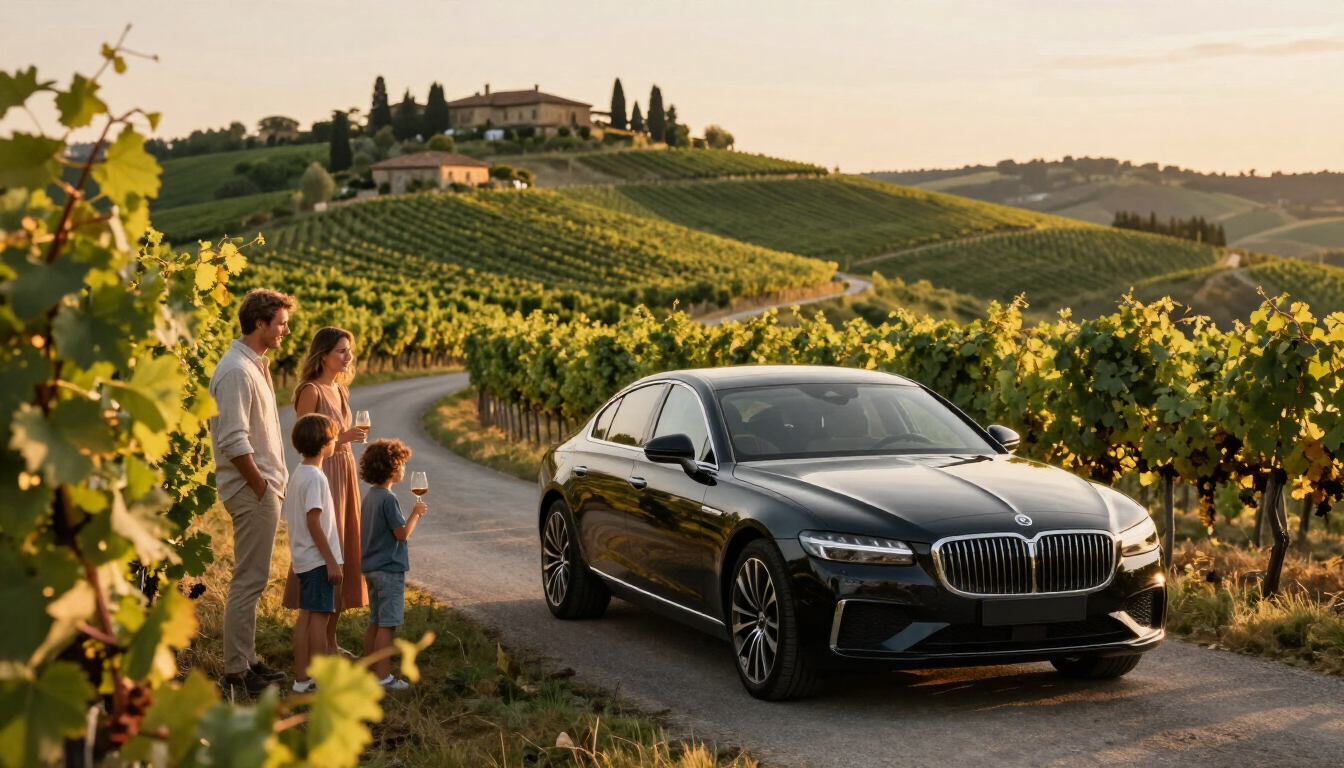
Private transportation is usually the most comfortable choice for a family Tuscany itinerary. It removes the stress of parking, reduces transfers, and allows the day to change when children need a break.
A private vehicle is particularly helpful when you want to:
- Combine a hill town with a countryside lunch
- Stop at viewpoints or villages inaccessible by train
- Carry strollers, bags, and snacks easily
- Travel at your family’s preferred departure time
- Adapt the route around weather, naps, or energy levels
Trains are useful between major cities, especially Florence and Pisa or Florence and Lucca. However, many celebrated Tuscan villages are easier to reach by car. If comfort and flexibility matter, explore Private Chauffeured Experiences when comparing transportation options.
What should families eat in Tuscany?
Tuscan food is wonderfully adaptable for families because many dishes use simple, familiar ingredients. Look for restaurants that welcome children and offer flexible portions rather than expecting everyone to order a formal multi-course meal.
Family-friendly choices may include:
- Fresh pasta with a simple tomato or butter sauce
- Pizza and schiacciata, a Tuscan flatbread
- Ribollita or bean-based soups for adventurous eaters
- Grilled meats and seasonal vegetables
- Gelato, cantucci, and fruit for treats
Parents may want to explore regional wines, but the itinerary should also include non-alcoholic tastings and food experiences that engage children directly. A market visit, bakery stop, or cooking activity often creates a stronger shared memory than a long restaurant meal.
How can families avoid common Tuscany travel mistakes?
The most common mistake is trying to see too much. Tuscany rewards attention, not speed. A family may enjoy one town deeply and remember it more fondly than four rushed photo stops.
Avoid these planning problems:
- Changing accommodation every night
- Scheduling a major museum after a long transfer
- Visiting multiple hill towns during the hottest part of the day
- Assuming every restaurant has child-sized portions
- Leaving no time for rest or unplanned discoveries
Book popular experiences ahead during summer and school holidays, but preserve flexibility around the bookings. Begin sightseeing earlier when temperatures are high, carry water, and plan shaded pauses.
Strollers can be difficult on cobbled streets and steep lanes. Older children should have comfortable shoes, while younger children may benefit from a lightweight carrier for certain historic centers.
A practical family planning checklist
Before confirming your trip, review the details that most affect comfort:
- Ages and interests: Match activities to your children’s attention spans and curiosity.
- Accommodation: Choose space, outdoor areas, breakfast, and convenient access over a remote view alone.
- Transfers: Calculate real door-to-door time, including stops and parking.
- Meals: Identify flexible restaurants and keep snacks available between visits.
- Weather: Build alternatives for heat or rain, such as markets, workshops, and shorter walks.
- Pacing: Schedule no more than one major sightseeing focus per day.
For a tailored route, use Design Your Tour to shape the journey around your family’s preferred balance of culture, food, countryside, and relaxation.
Frequently asked questions
Is Tuscany suitable for young children?
Yes. Tuscany is suitable for young children when the itinerary includes short sightseeing periods, private transportation, familiar food, outdoor time, and regular breaks. Choose fewer destinations and allow the day to follow your children’s energy levels.
Is Florence or the countryside better for families?
Both offer different benefits. Florence is convenient for culture, markets, and walkable landmarks, while the countryside provides space, scenery, pools, and slower days. Combining the two usually creates the best balance.
Can families visit vineyards in Tuscany?
Yes, if the experience is selected carefully. Look for estates that welcome families and offer gardens, food, outdoor space, or a broader countryside experience rather than focusing exclusively on formal tastings.
Should we stay in one Tuscan base?
For many families, one countryside base after Florence is the most comfortable choice. It reduces packing and lets you explore different towns by private vehicle while returning to a familiar room each evening.
Your next step for planning Tuscany
A successful family-friendly Tuscany itinerary combines Florence’s culture, the countryside’s beauty, and carefully chosen towns at a pace that leaves room to breathe. Start with the experiences your family values most, then place them around comfortable travel times, flexible meals, and genuine downtime. Choose one or two anchor destinations, use private transportation when it improves convenience, and customize the remaining days around food, nature, crafts, or local stories. The goal is not to see everything. It is to create an easy, memorable Italian journey that adults and children can enjoy together.