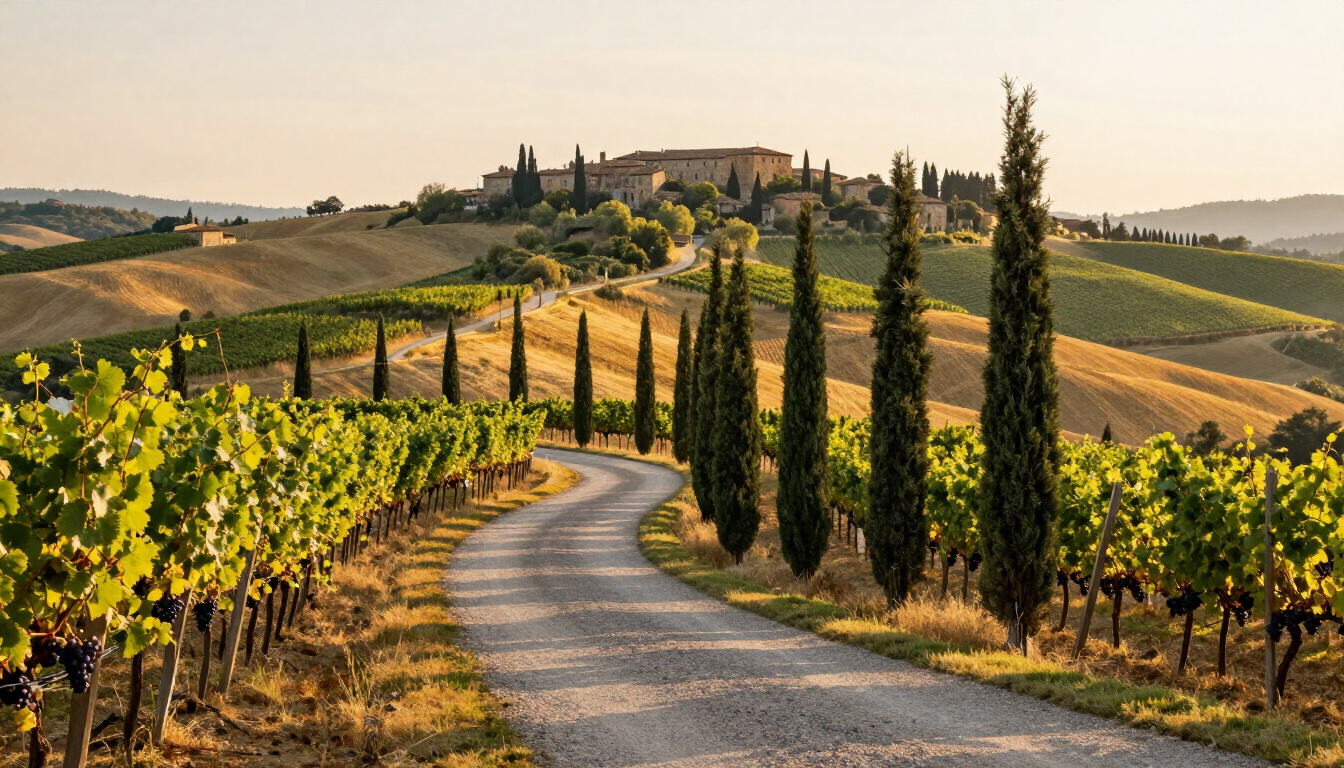
Florence vs Siena: Choose Your Tuscany Base
Florence vs Siena comes down to the kind of Tuscany trip you want: Florence offers world-famous art, Renaissance landmarks, and lively urban energy, while Siena delivers medieval charm, slower rhythms, and an intimate local atmosphere. Both are excellent choices, and combining them creates a richer, more complete Tuscan experience.
Florence vs Siena: Which city is better for your trip?
Choose Florence if this is your first visit to Tuscany and you want concentrated access to major museums, Renaissance art, architectural icons, and a broad choice of restaurants and hotels. Choose Siena if you prefer a more intimate city, medieval streets, traditional culture, and easy access to the surrounding countryside.
A simple comparison:
- Florence: best for art, history, shopping, museums, and first-time visitors.
- Siena: best for atmosphere, medieval heritage, food, wine, and a slower pace.
- Florence and Siena together: best for travelers who want both cultural highlights and authentic Tuscan character.
Your choice also depends on how long you have. Florence can easily fill two to four days, while Siena is especially rewarding as a one- or two-day stay within a wider Tuscany itinerary.
What is Florence known for?
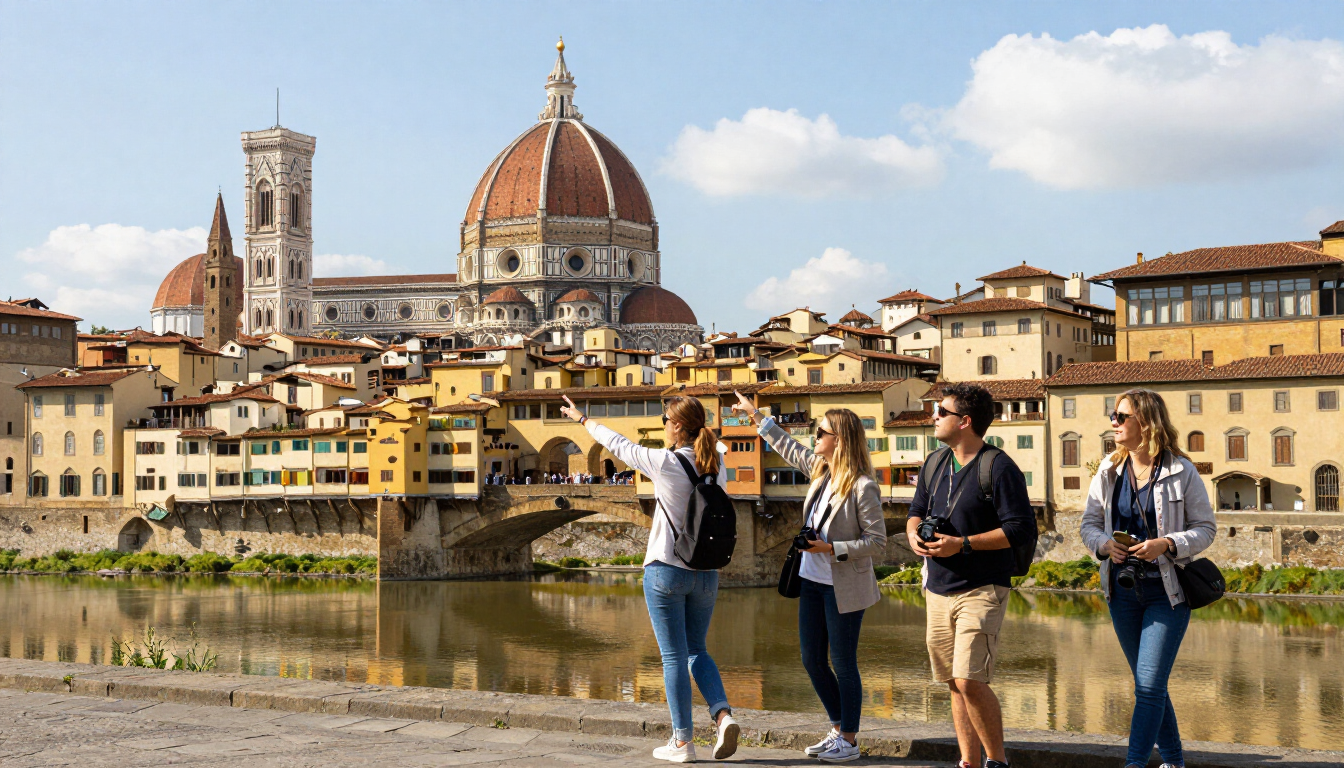
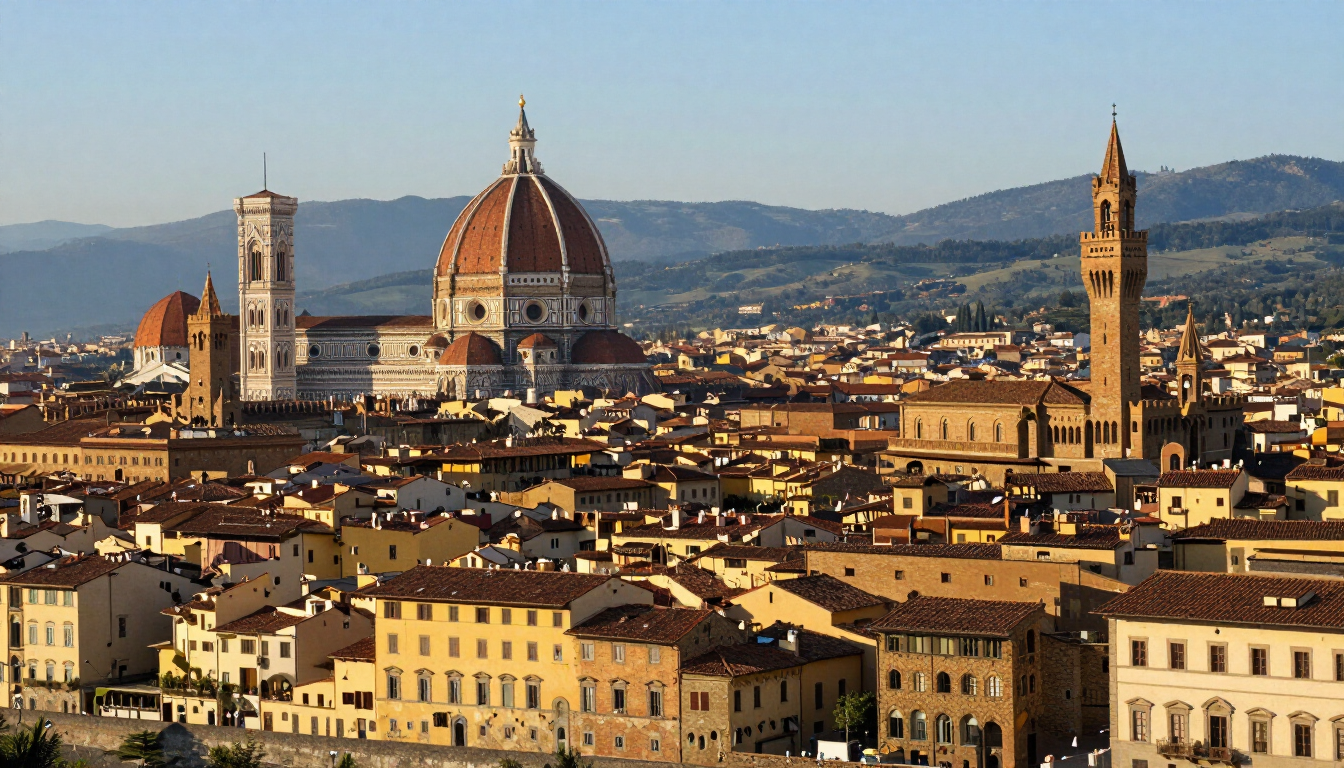
Florence is the birthplace of the Renaissance and one of Europe’s great cultural capitals. Its historic center is compact enough to explore on foot, yet filled with major sights, galleries, artisan workshops, and memorable viewpoints.
Highlights include:
- The Duomo, Giotto’s Bell Tower, and the Baptistery
- Michelangelo’s David at the Accademia Gallery
- Botticelli and other Renaissance masterpieces at the Uffizi Gallery
- Ponte Vecchio and the Arno River
- Piazza della Signoria and Palazzo Vecchio
- Oltrarno workshops, gardens, and neighborhood restaurants
Florence is ideal when you want to move between iconic landmarks without spending much time on the road. A private walking experience can add context to the details many visitors miss, from a sculptor’s technique to the symbolism hidden in a church façade.
For travelers interested in food as well as history, The Essence of Florence Walking & Market Gourmet Tour connects local markets, Tuscan specialties, and the city’s everyday character.
Why visit Siena instead?
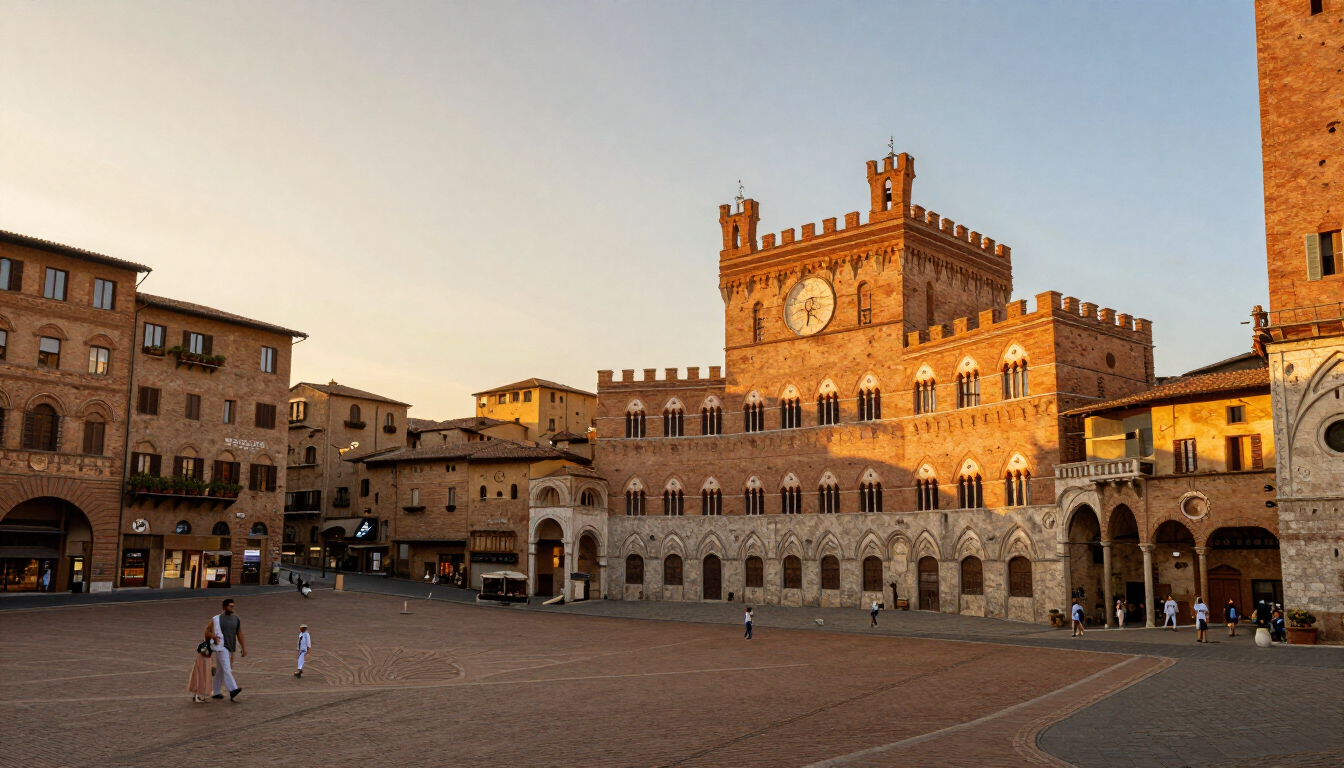
Siena feels more intimate and atmospheric than Florence. Built around the dramatic Piazza del Campo, the city is defined by warm brick buildings, winding lanes, steep streets, and the distinct identity of its seventeen historic contrade, or neighborhoods.
The city’s essential experiences include:
- Piazza del Campo, one of Italy’s most beautiful squares
- Siena Cathedral and its remarkable marble inlay floor
- Torre del Mangia for expansive city views
- Contrada fountains, museums, and neighborhood churches
- Traditional dishes such as pici pasta, ribollita, and panforte
- The surrounding hills of the Val d’Orcia and Chianti region
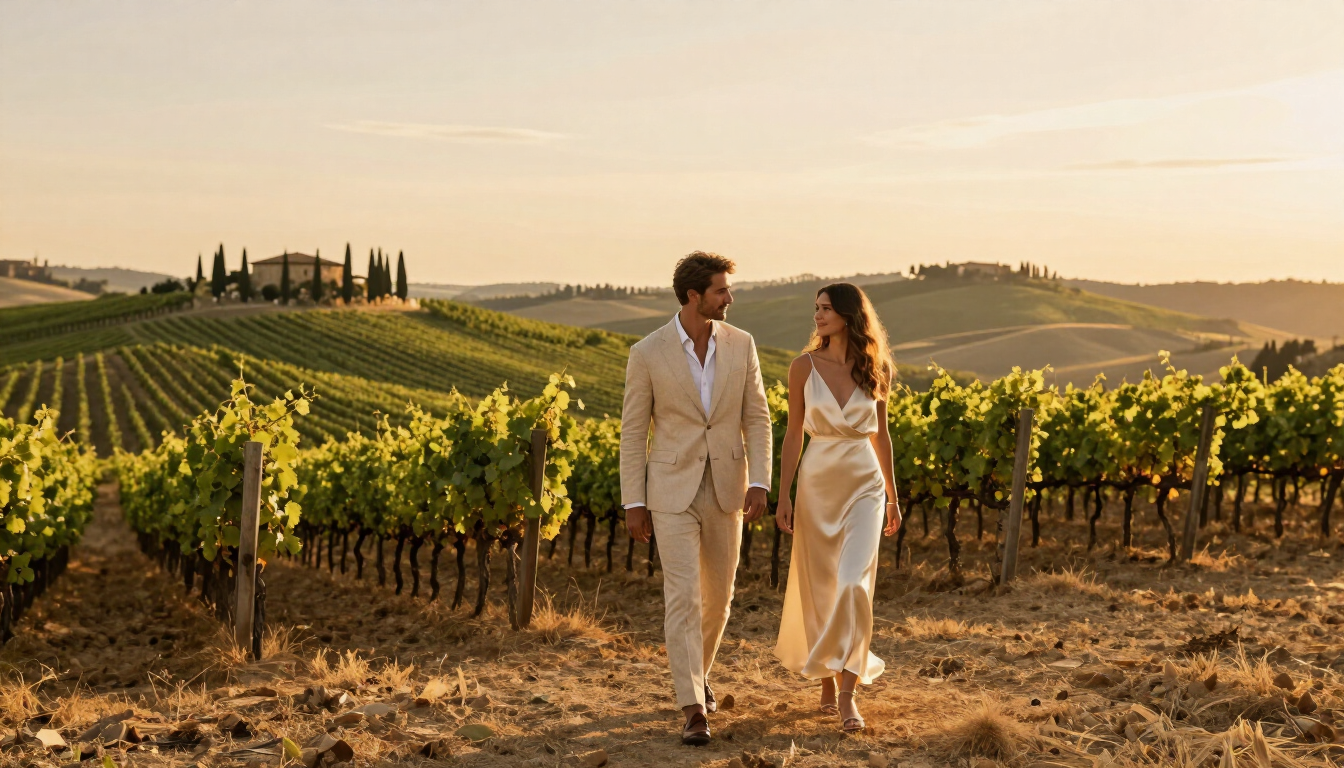
Siena is a strong choice for couples seeking romance, families who prefer a manageable historic center, and affluent travelers looking for a private, unhurried experience. It feels less like a collection of major attractions and more like a city to inhabit for a while.
How do Florence and Siena compare for art and architecture?
Florence has greater international fame and a higher concentration of masterpieces. If your priority is Renaissance painting, sculpture, and architecture, Florence offers more variety and depth. It is the better destination for dedicated museum visits or travelers who want to see landmark works by Michelangelo, Botticelli, and Brunelleschi.
Siena offers a different kind of artistic experience. Its Gothic architecture, striped cathedral, medieval paintings, and civic traditions create a cohesive visual identity. The city’s beauty is less about individual blockbuster works and more about the atmosphere of the whole historic center.
In practical terms:
- Choose Florence for Renaissance masterpieces and major museums.
- Choose Siena for medieval art, Gothic architecture, and immersive atmosphere.
- Choose both if you want to understand how Tuscany evolved from the Middle Ages into the Renaissance.
Which destination has better food and wine?
Florence offers an excellent introduction to Tuscan cooking, with trattorias, food markets, wine bars, and contemporary restaurants across a wide range of styles. Look for bistecca alla Fiorentina, lampredotto, crostini, ribollita, and seasonal pasta dishes.
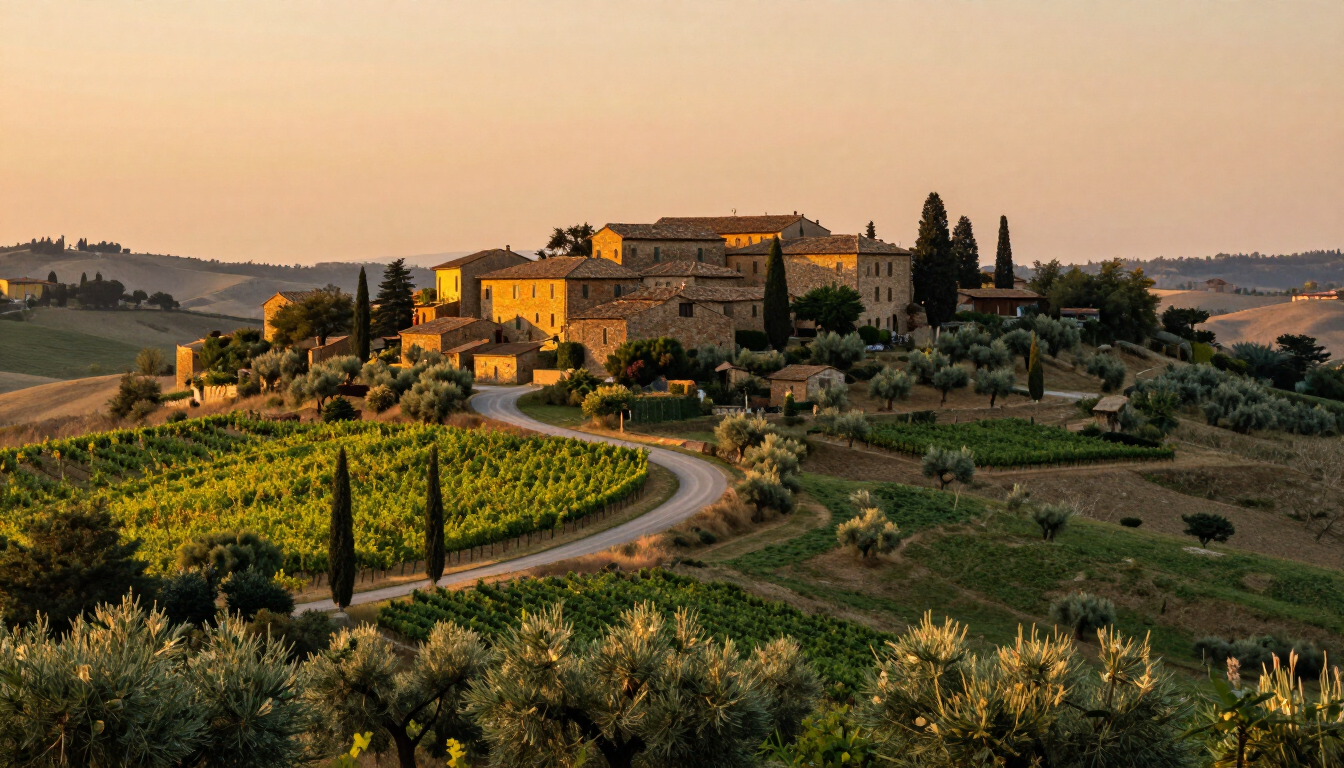
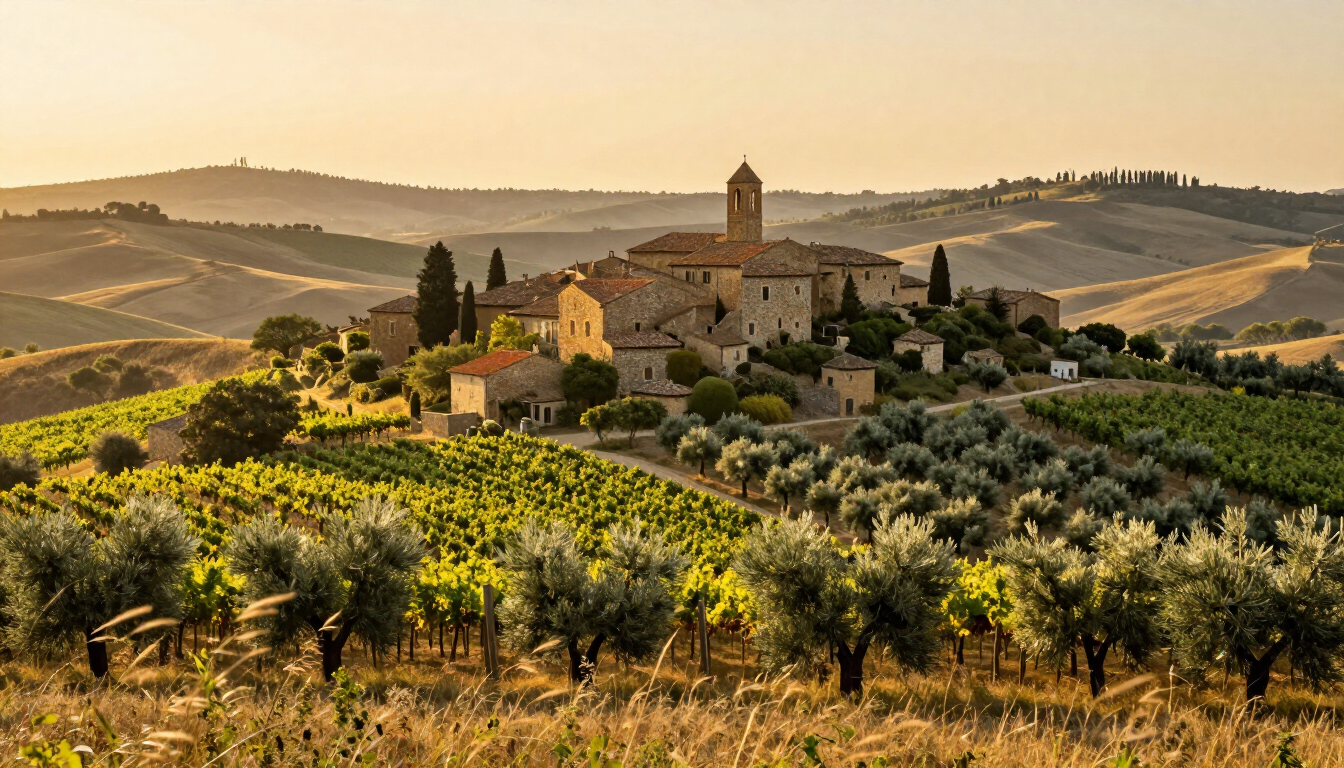
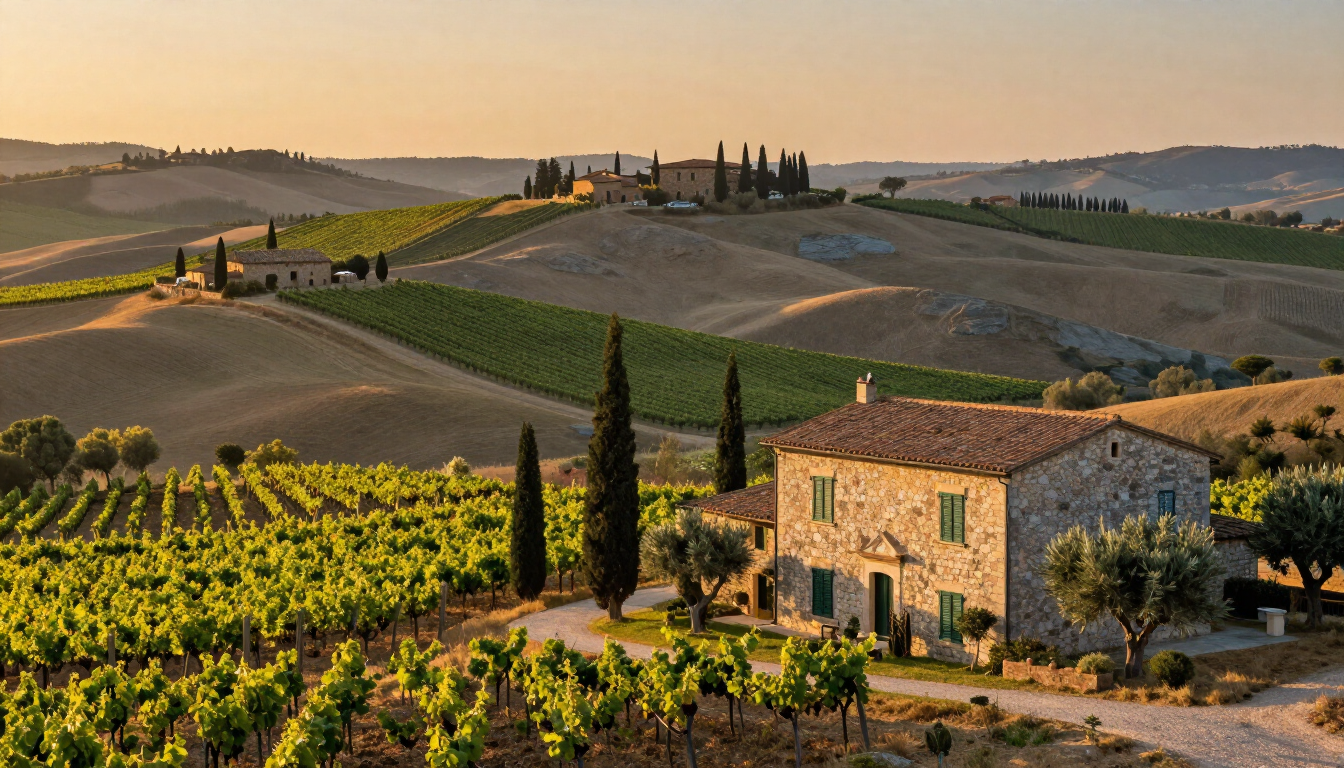
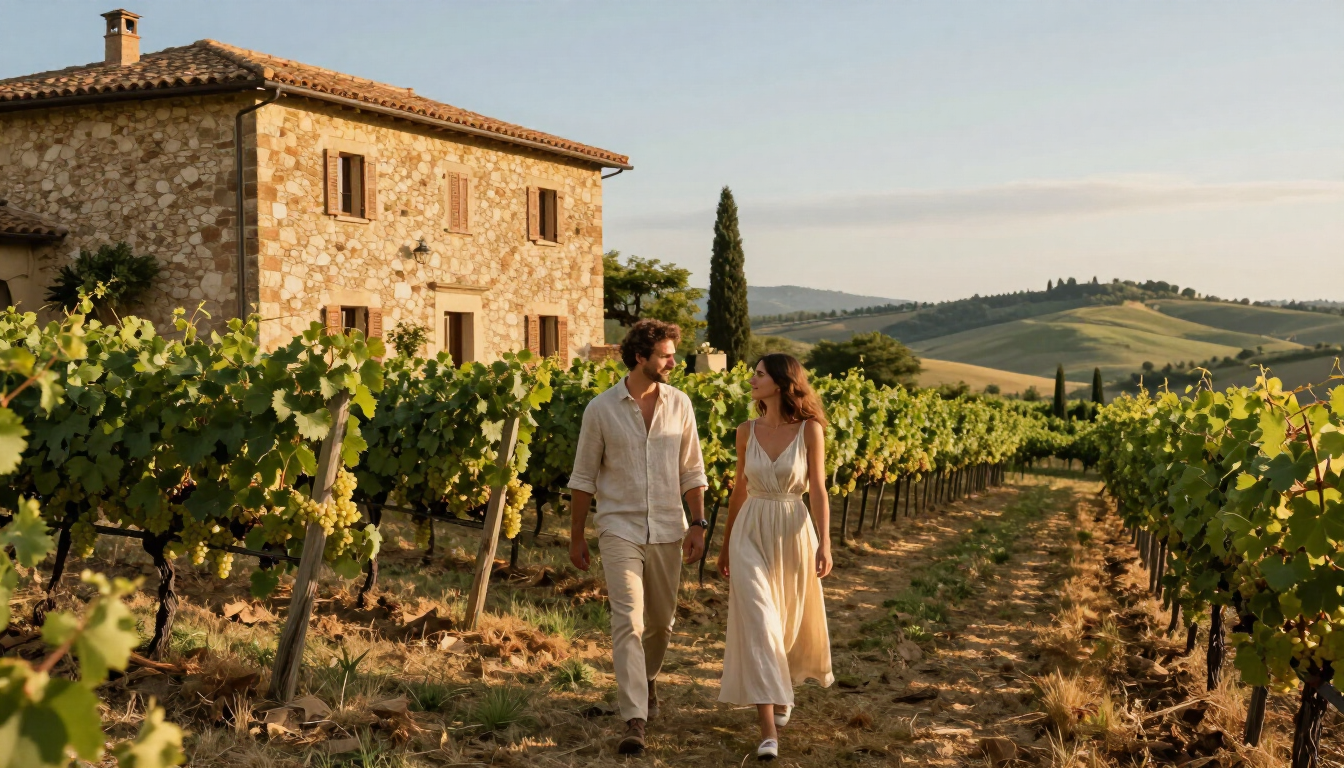
Siena is particularly appealing for travelers who want to connect food with landscape. The wider area is close to Chianti, the Val d’Orcia, and celebrated wine towns such as Montalcino and Montepulciano. Meals often feel slower and more rooted in local traditions.
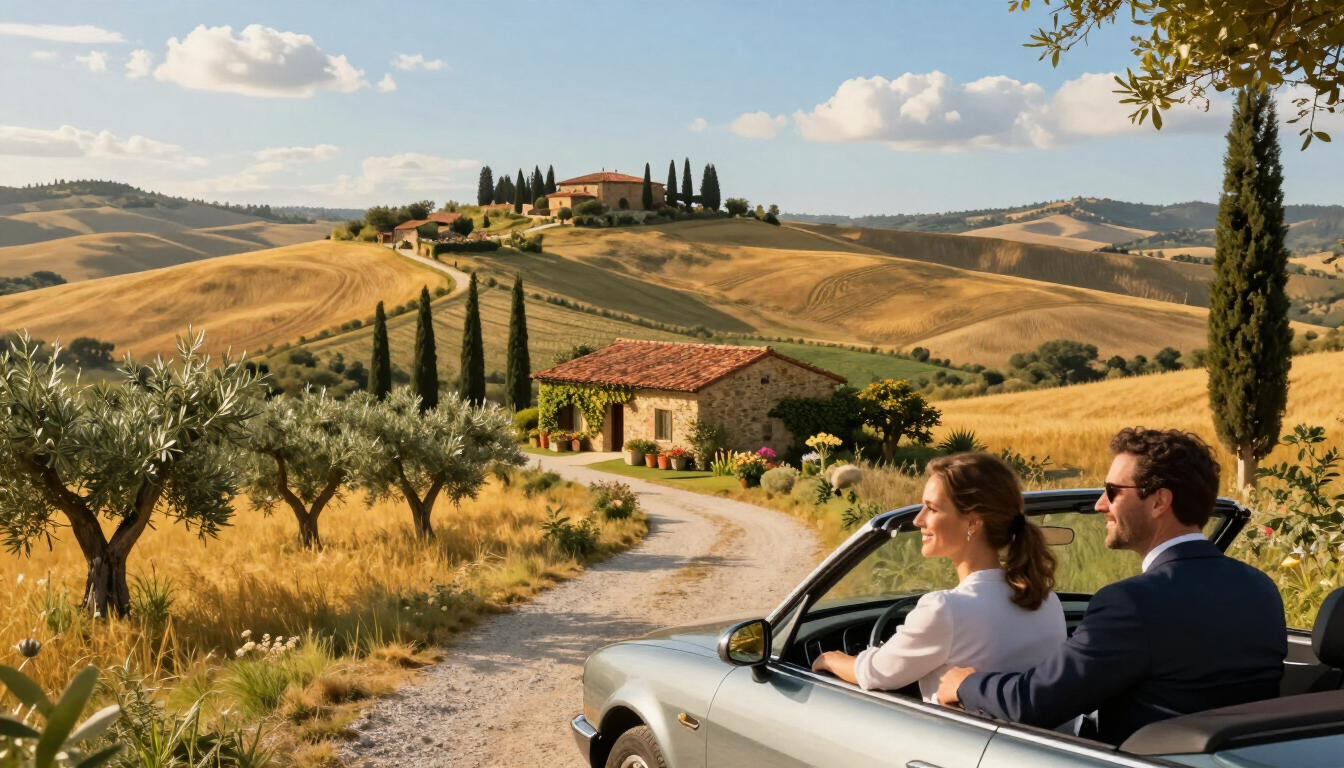
Florence is convenient for variety; Siena is convenient for countryside immersion. A private driver or tailored day trip makes it possible to combine Siena with a vineyard, hill town, or family-run estate without the stress of navigating rural roads.
For a wine-focused day, consider The Spirit of Siena & San Gimignano or Flavors of Montepulciano & Montalcino .
Is Florence or Siena better for families and couples?
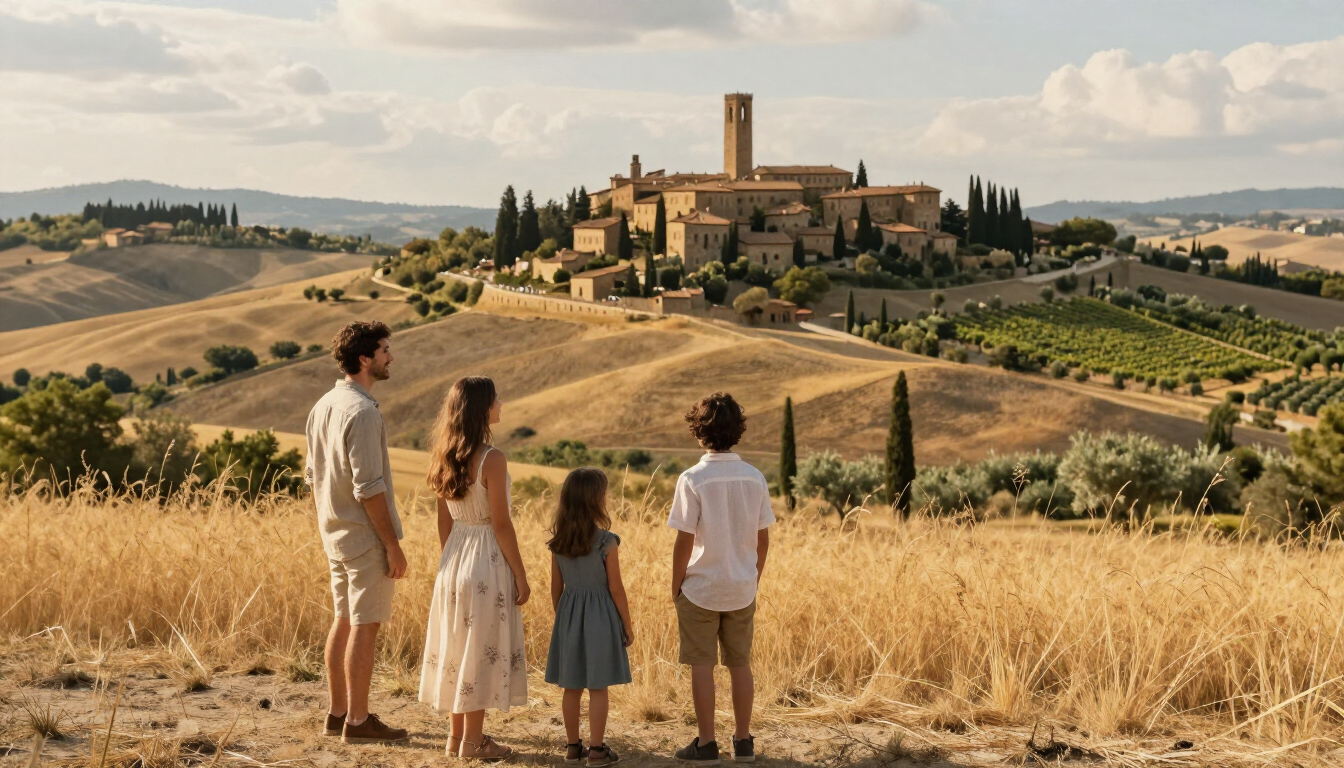
Florence works well for families who want variety: museums, plazas, gelato stops, short walking distances, and activities suitable for different ages. However, its busiest areas can feel crowded, especially during peak travel periods.
Siena is often easier for couples who value romance and for families who prefer a calmer setting. Its compact center encourages wandering, although the hills and cobbled streets may require comfortable shoes or thoughtful planning for guests with limited mobility.
Consider these questions:
- Do you want several major attractions every day?
- Would your group enjoy museums or prefer outdoor exploration?
- Is a relaxed dinner and countryside drive more appealing than evening city energy?
- Does everyone in your party have the same pace and interests?
A private guide can make either destination more comfortable by adapting the route, timing, and depth of the experience to your group.
Private experiences and tailor-made itineraries
The best choice is not always Florence or Siena. Often, the most rewarding itinerary uses Florence as a cultural starting point and Siena as a gateway to the Tuscan countryside.
A tailor-made plan might include:
- Two or three nights in Florence for Renaissance art, architecture, and markets.
- A private transfer through the hills toward Siena.
- A guided Siena visit focused on history, traditions, and local food.
- A vineyard, hill town, or countryside experience before continuing your journey.
Explore private chauffeured experiences if comfort, flexibility, and personal timing are important. You can also design your Tuscan adventure itinerary around your interests, whether those are art, wine, food, craftsmanship, or landscapes.
How many days do you need in Florence and Siena?
For Florence, plan at least two full days for the historic center and one major museum, with a third day for slower exploration or artisan neighborhoods. Four days allow time for gardens, additional galleries, and food experiences.
For Siena, one full day covers the essential landmarks, while two days create space for museums, long meals, and a countryside excursion. If you are staying in Tuscany for a week or more, three nights in Florence followed by two nights in or near Siena is a balanced starting point.
Travel time, hotel location, and your preferred pace matter as much as the number of attractions. Avoid changing hotels too frequently; a well-planned private transfer can make a two-city itinerary feel seamless.
Final decision: Florence, Siena, or both?
Choose Florence for iconic art, Renaissance architecture, museums, and energetic city life. Choose Siena for medieval beauty, intimate streets, regional food, and a closer connection to the Tuscan landscape. If your schedule allows, combine them: Florence provides the cultural foundation, while Siena adds atmosphere and countryside access. Before booking, consider your interests, travel pace, mobility needs, and appetite for guided or private experiences. Then compare routes and build an itinerary that gives each destination enough time to feel distinctive rather than rushed.