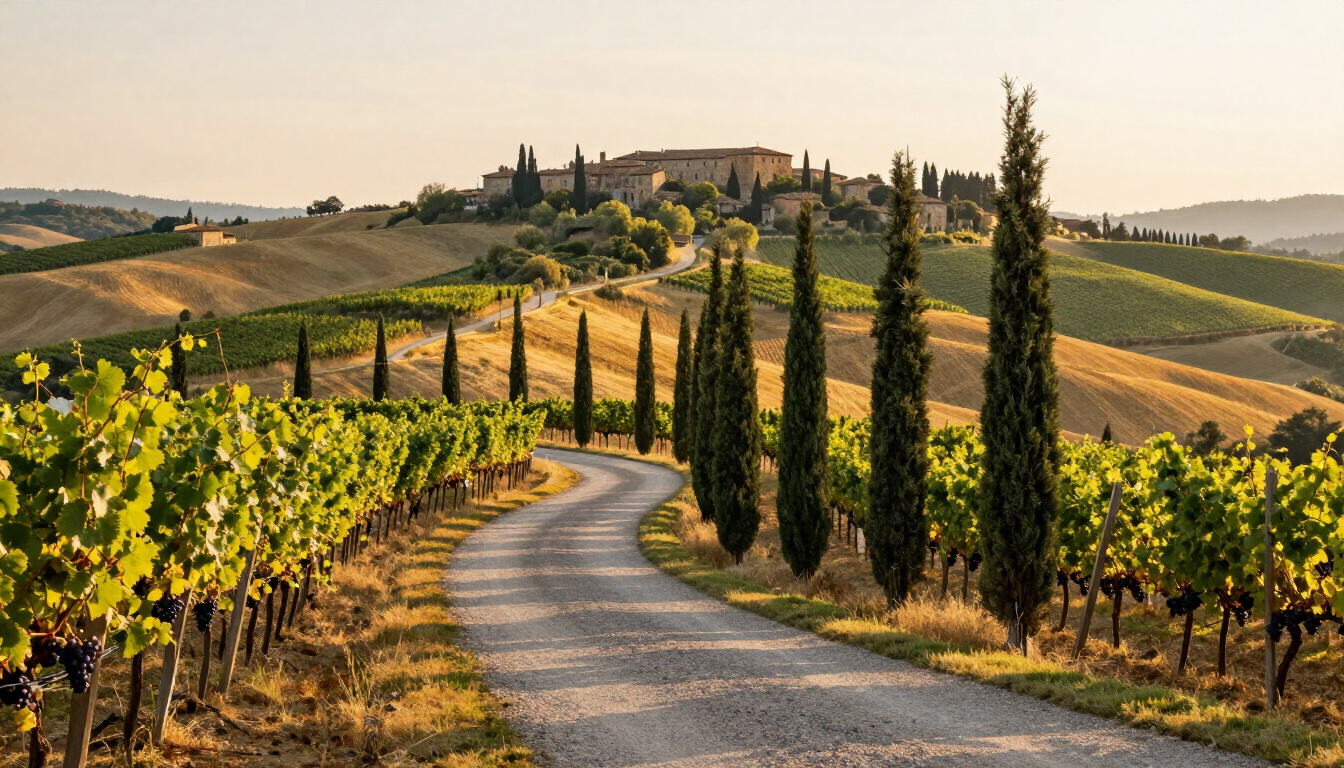
7 Most Beautiful Towns in Tuscany to Visit
The most beautiful towns in Tuscany combine medieval architecture, Renaissance art, celebrated wine, and spectacular countryside. Siena, San Gimignano, Lucca, Pisa, Arezzo, Montepulciano, and Montalcino each offer a distinct experience, from historic piazzas and towers to vineyard tastings and leisurely local meals.
Which are the most beautiful towns in Tuscany?
Tuscany is not a single postcard landscape. Its towns differ in character, history, food, and ideal pace. The best destination for your itinerary depends on whether you want medieval streets, famous art, wine country, coastal access, or an easy day trip from Florence.
These seven destinations are especially rewarding:
- Siena for Gothic architecture, dramatic history, and the Piazza del Campo.
- San Gimignano for medieval towers, panoramic views, and Vernaccia wine.
- Lucca for Renaissance walls, cycling, and an elegant historic center.
- Pisa for iconic monuments and a lively university atmosphere.
- Arezzo for art, antiques, and a less-touristed Tuscan experience.
- Montepulciano for hilltop views, Renaissance palaces, and Vino Nobile.
- Montalcino for Brunello, vineyard landscapes, and a slower countryside escape.
For a carefully planned private journey from Florence, explore Florence Connection’s private tours in Tuscany , which can combine several destinations with a personal driver and local guidance.
1. Siena: the heart of medieval Tuscany
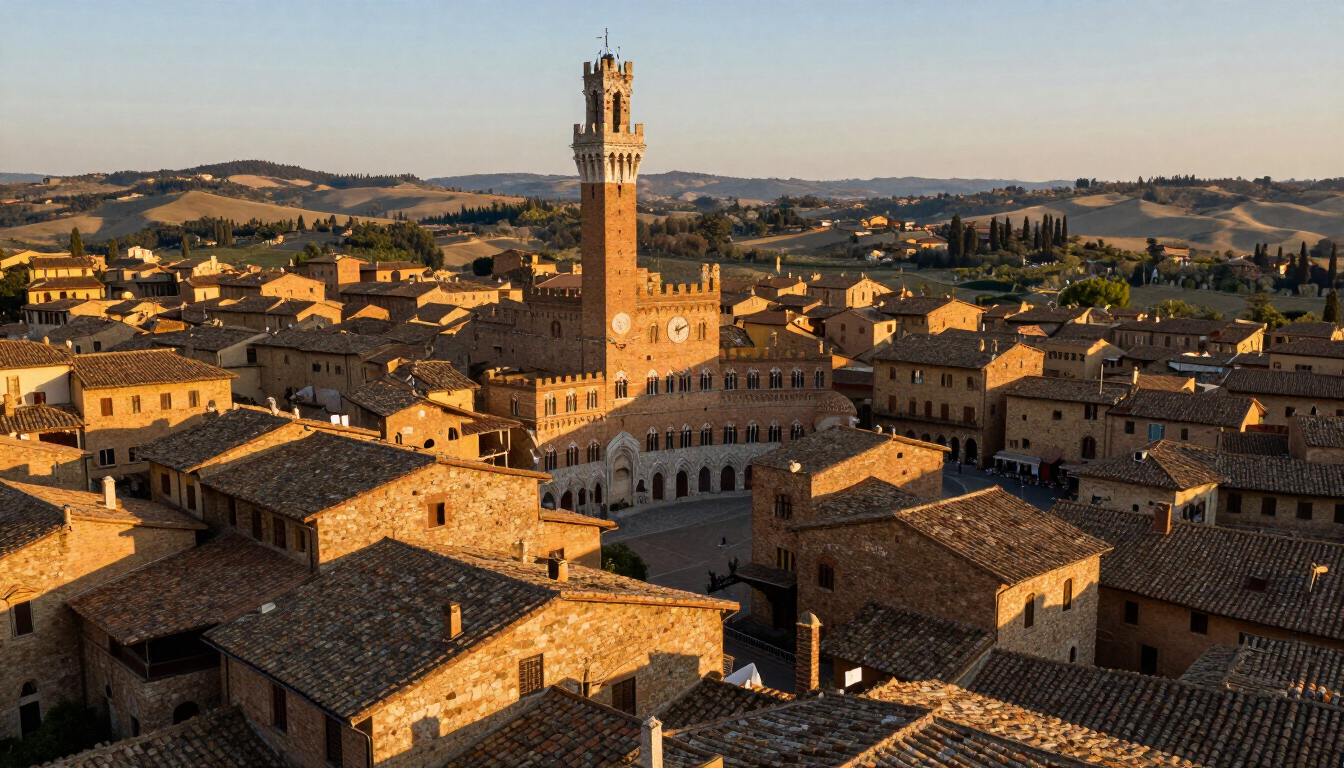
Siena is one of the most atmospheric towns in Tuscany. Built across three hills, its warm brick streets lead toward the extraordinary Piazza del Campo, a shell-shaped square that has been the city’s civic center for centuries.
The city is ideal for travelers who want history that feels present in everyday life. Visit the Palazzo Pubblico and climb the Torre del Mangia for sweeping views. Inside the Duomo, intricate marble floors, sculptures, and luminous details reveal Siena’s artistic importance.
Siena is also deeply connected to the Palio , the famous horse race held twice each summer. Even outside race season, the city’s contrade—or historic neighborhood districts—give local streets a strong sense of identity.
Best for: couples, history lovers, architecture enthusiasts, and travelers seeking a full-day cultural experience.
The Spirit of Siena & San Gimignano private tour is a practical choice if you want to pair Siena’s grandeur with the medieval towers of San Gimignano.
2. San Gimignano: towers above the vineyards
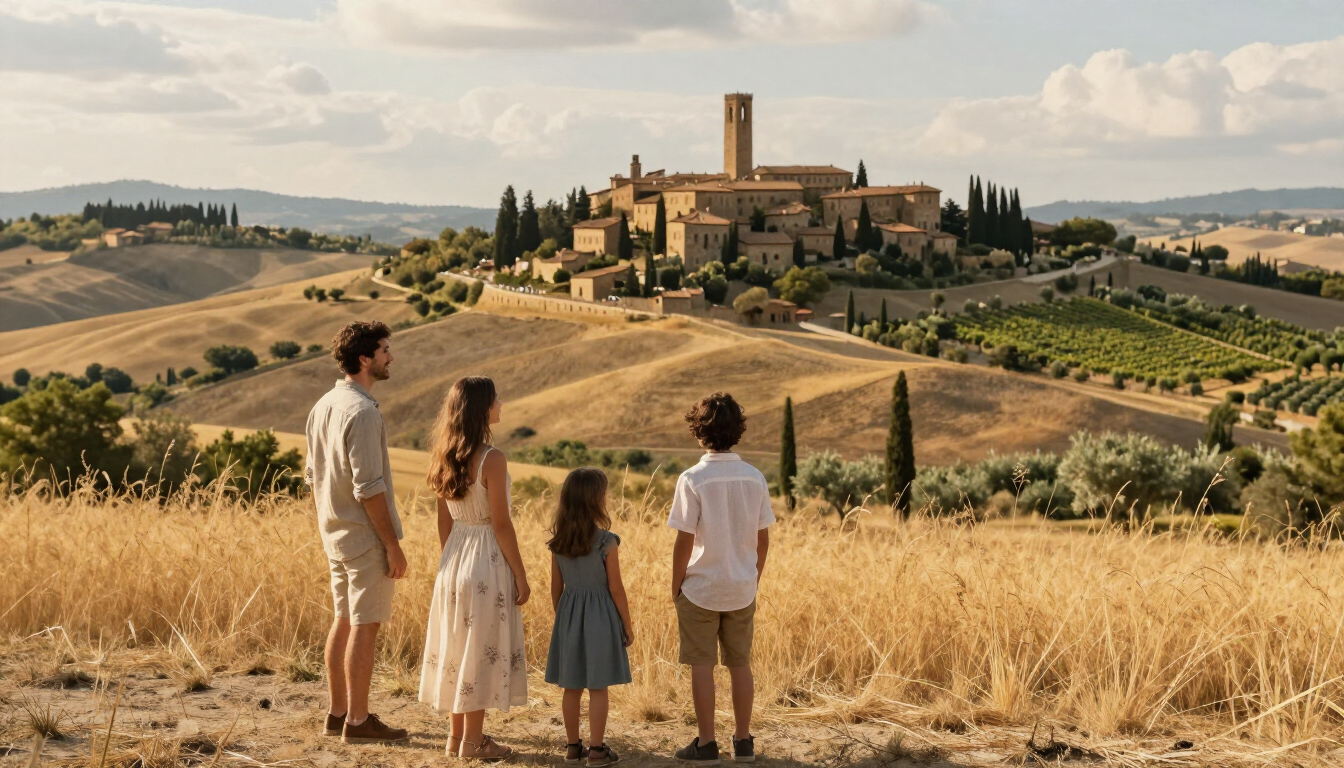
San Gimignano is instantly recognizable for its stone towers rising above the Val d’Elsa. Once a symbol of competing medieval wealth, the towers now create one of Tuscany’s most memorable skylines.
Walk along Via San Giovanni toward Piazza della Cisterna, then continue to Piazza del Duomo and the Collegiata. The historic center is compact, making it easy to explore on foot. Look beyond the busiest streets for artisan workshops, small wine bars, and quieter viewpoints over the countryside.
San Gimignano is also the home of Vernaccia di San Gimignano, one of Italy’s most distinctive white wines. A tasting paired with local pecorino, cured meats, or seasonal dishes adds depth to a short visit.
Best for: first-time visitors, photographers, families, and travelers who want classic medieval Tuscany in a compact setting.
A quick comparison: Siena or San Gimignano?
- Choose Siena for grand civic spaces, major art, and a deeper urban experience.
- Choose San Gimignano for towers, intimate streets, and vineyard panoramas.
- Visit both for a balanced day focused on medieval history and Tuscan scenery.
3. Lucca: an elegant town to explore slowly
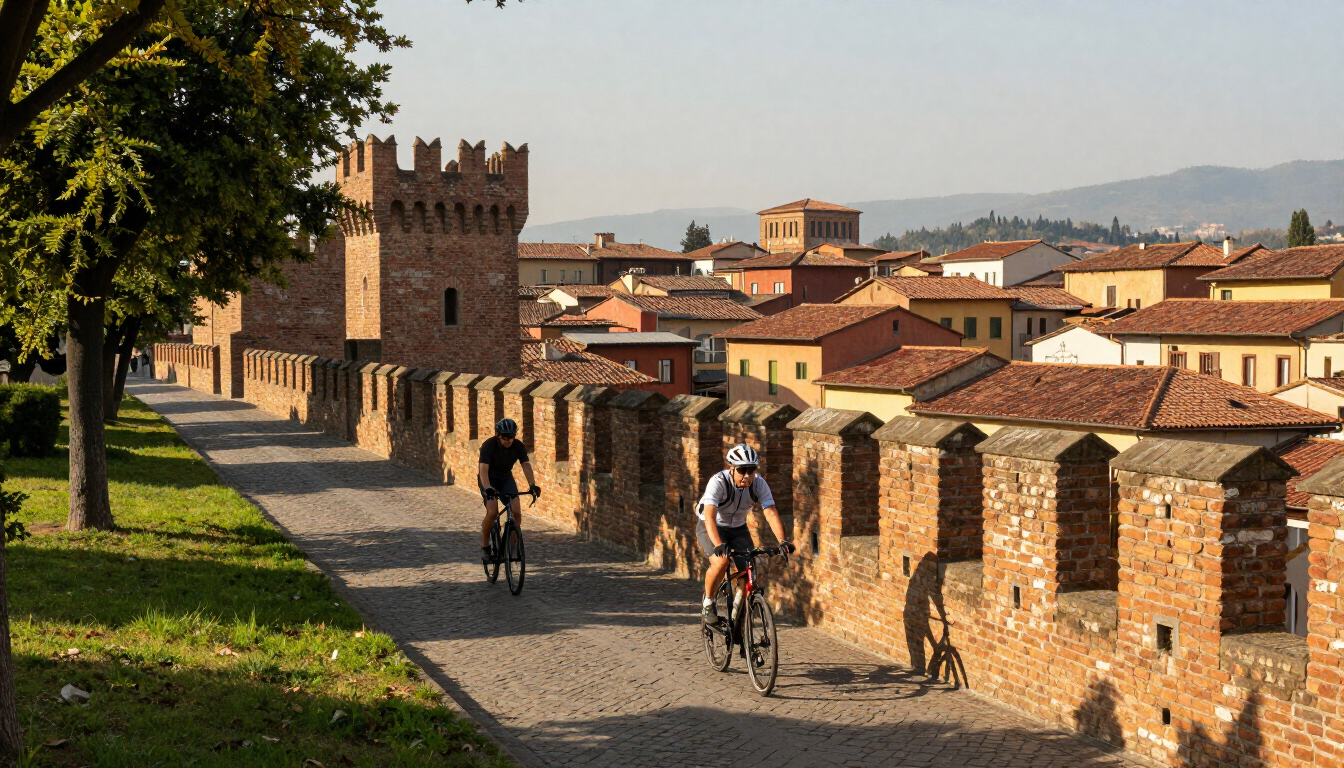
Lucca offers a different kind of beauty. Its historic center is enclosed by remarkably well-preserved Renaissance walls, now transformed into a broad tree-lined promenade. Walking or cycling the walls gives you an immediate sense of the town’s scale and character.
Inside, explore the oval Piazza dell’Anfiteatro, built on the footprint of a Roman amphitheater. The Basilica of San Michele in Foro and the Cathedral of San Martino showcase the city’s Romanesque and Gothic heritage. For a memorable view, climb the Torre Guinigi, crowned with holm oak trees.
Lucca rewards an unhurried itinerary. Stop for coffee, browse independent shops, and sample local specialties such as tordelli lucchesi or buccellato. It is especially appealing for families because the center is walkable and the walls provide open space away from traffic.
Best for: families, cyclists, food lovers, and visitors who prefer an elegant, relaxed historic town.
4. Pisa: beyond the Leaning Tower
Pisa is one of the most famous destinations in Italy, but the city deserves more than a quick photograph at the Leaning Tower. The Piazza dei Miracoli brings together the Cathedral, Baptistery, Camposanto, and tower in a remarkable ensemble of white and pale green marble.
After visiting the square, walk toward the Arno River and explore the city’s quieter side. Borgo Stretto offers arcaded streets and shops, while the riverside Lungarni provides a pleasant route through Pisa’s historic center. The city’s university community creates a more energetic, lived-in atmosphere than some smaller hill towns.
Pisa pairs naturally with Lucca because the two destinations are close and contrast beautifully: Pisa is monumental and open, while Lucca feels enclosed, polished, and intimate.
Best for: iconic sightseeing, families, architecture lovers, and travelers combining Tuscany with airport or coastal connections.
See the Charm of Lucca & Pisa private tour to experience both towns without losing time to transport planning.
5. Arezzo: art, antiques, and local character
Arezzo is one of the best towns in Tuscany for travelers who want culture without the intensity of the most visited destinations. Its historic center rises toward the Basilica of San Francesco, home to Piero della Francesca’s celebrated fresco cycle, The Legend of the True Cross .
Continue to Piazza Grande, a sloping medieval square framed by elegant buildings and arcades. The square hosts festivals and events throughout the year, including the Giostra del Saracino, a historic jousting celebration.
Arezzo is also known for its monthly antique market, one of the largest and most respected in Italy. On market days, the streets fill with furniture, jewelry, art, books, and objects that reveal layers of Italian design and domestic history.
Best for: art lovers, antique hunters, repeat visitors to Tuscany, and anyone looking for a less predictable itinerary.
The Treasures of Arezzo & Torre A Cona tour adds a countryside escape to the city’s artistic heritage, while the Arezzo Antique Market experience is ideal for a market-focused visit.
6. Montepulciano: Renaissance beauty and Vino Nobile
Montepulciano sits dramatically on a limestone ridge between the Val d’Orcia and Val di Chiana. Its steep streets lead past Renaissance palaces, churches, and panoramic terraces, creating a town that feels both refined and unmistakably Tuscan.
Begin at Piazza Grande, the main square, then explore the Palazzo Comunale and the Cathedral. As you move downhill, the views open across fields, vineyards, and distant ridges. The town’s elevation makes comfortable shoes essential, but the climbs are part of the experience.
Montepulciano is famous for Vino Nobile di Montepulciano , a structured red wine traditionally made from Sangiovese. A cellar visit is an excellent way to understand how local producers connect the wine to the landscape and to centuries of agricultural tradition.
Best for: wine enthusiasts, couples, photographers, and travelers looking for Renaissance architecture with dramatic scenery.
7. Montalcino: the countryside at its most expressive
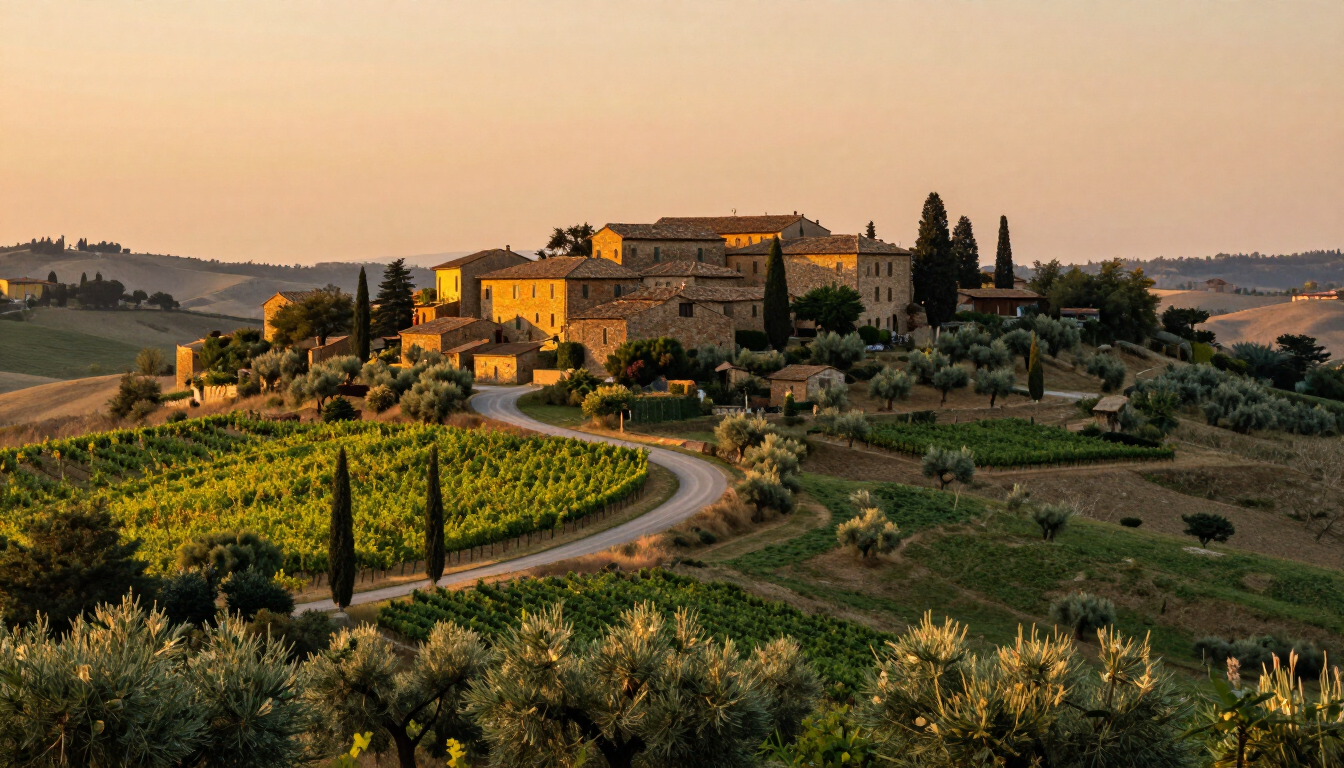
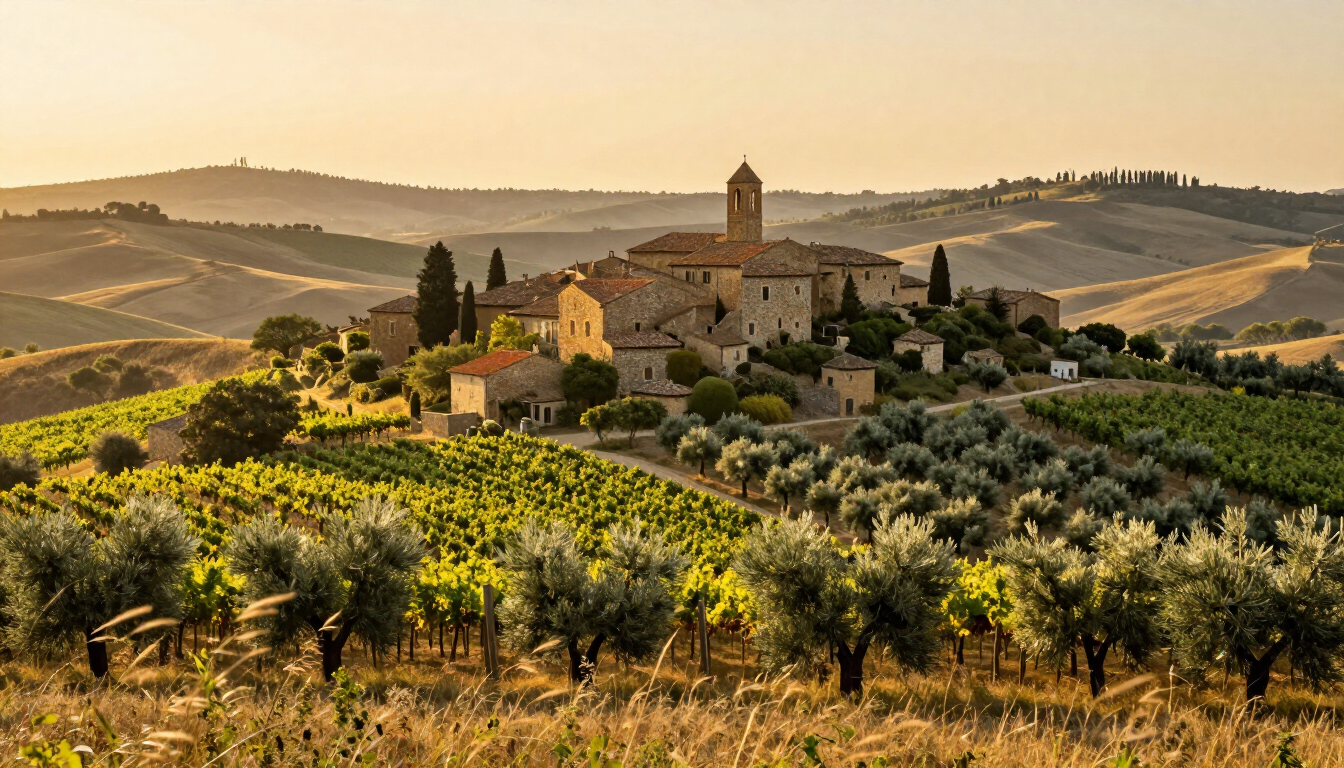
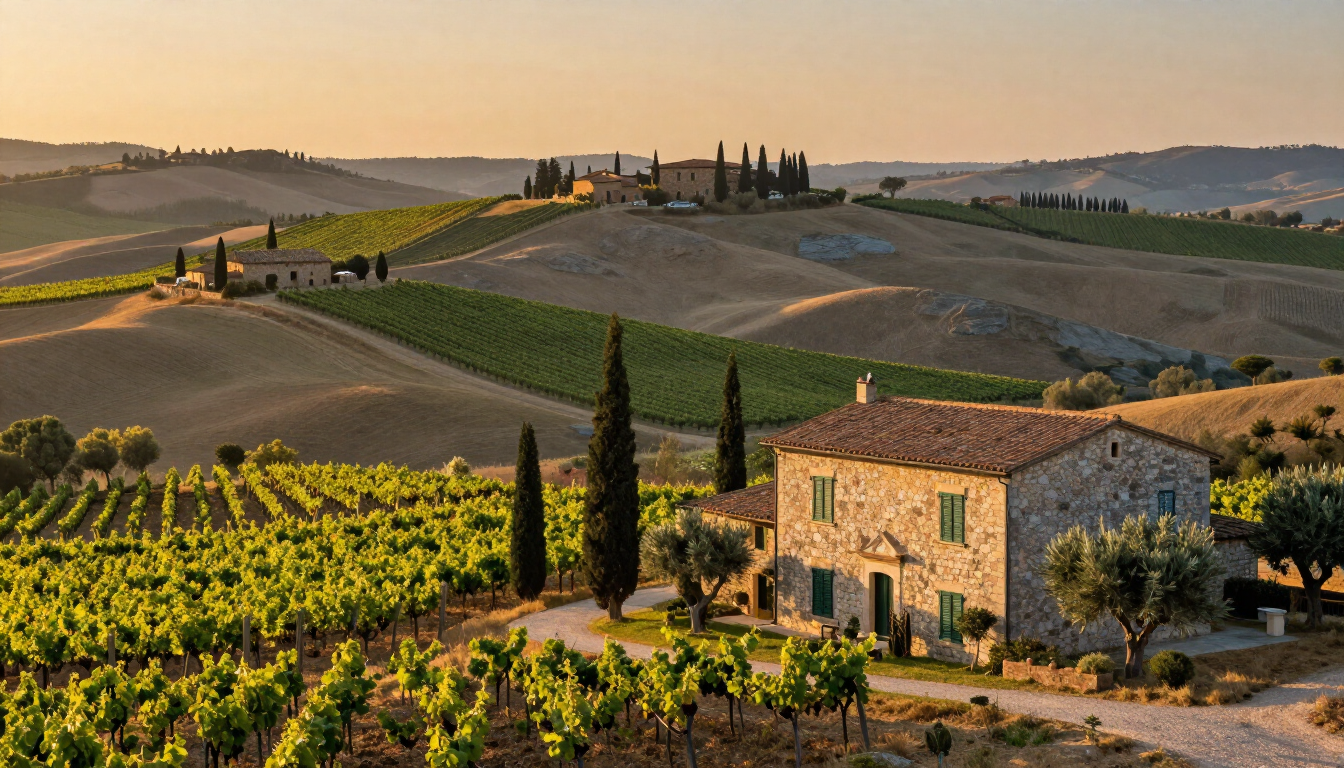
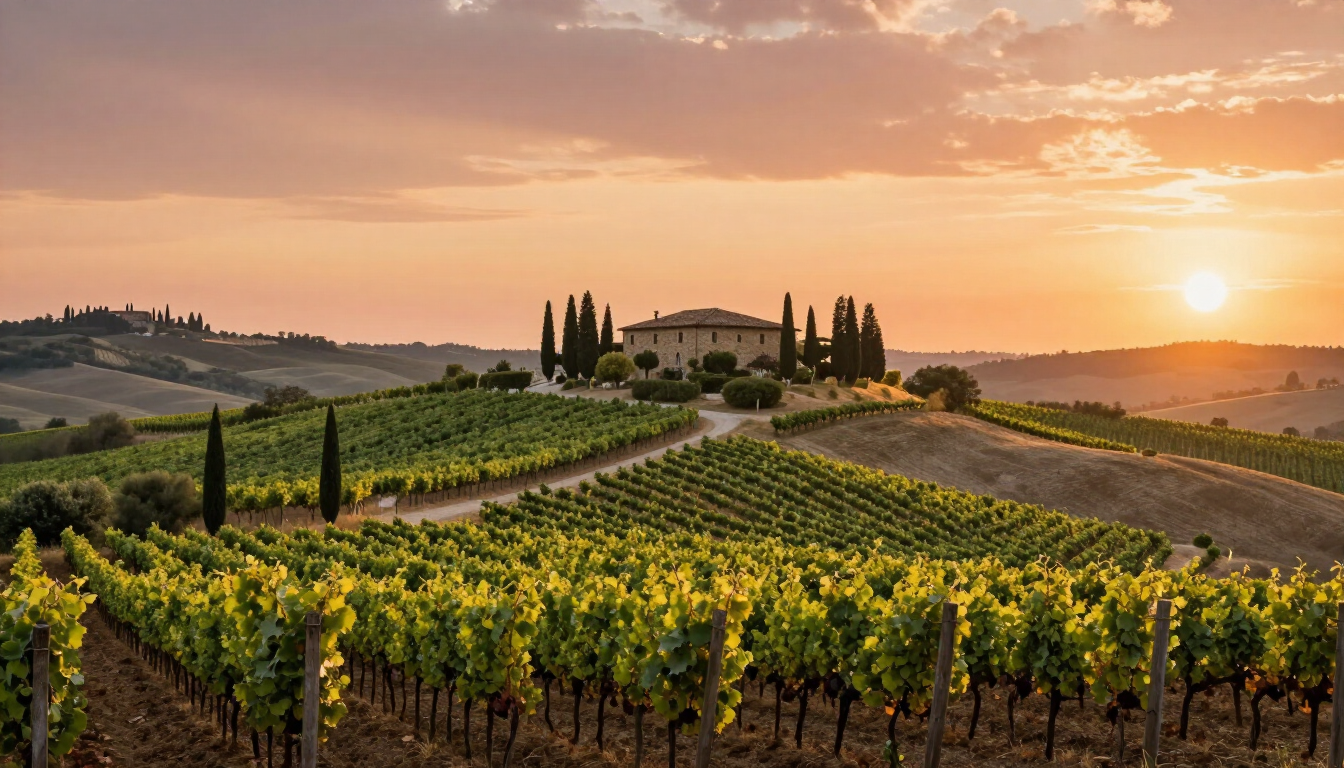
Montalcino is smaller and more rural in feeling than Montepulciano. The town’s fortress and hilltop position make it a natural viewpoint across vineyards and the rolling Val d’Orcia. Its atmosphere is ideal for slowing down and appreciating the details of Tuscan life.
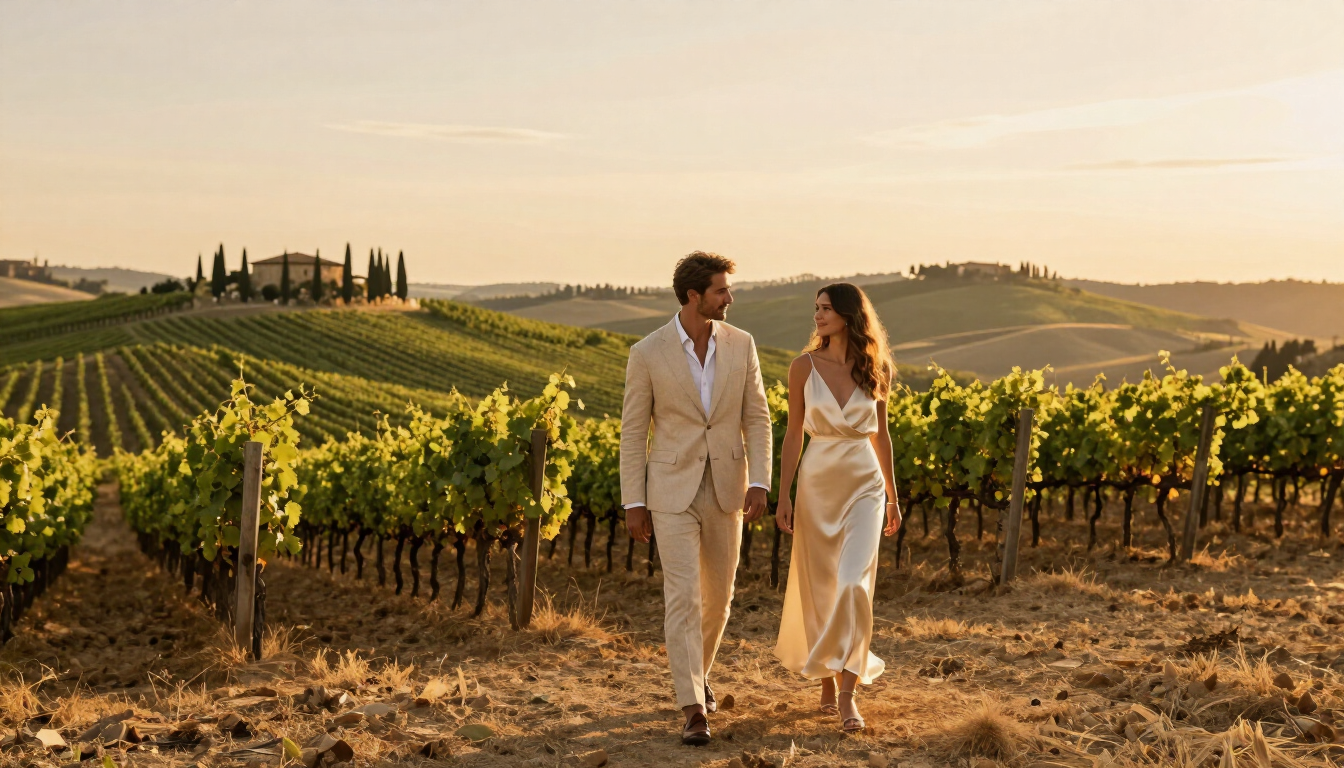
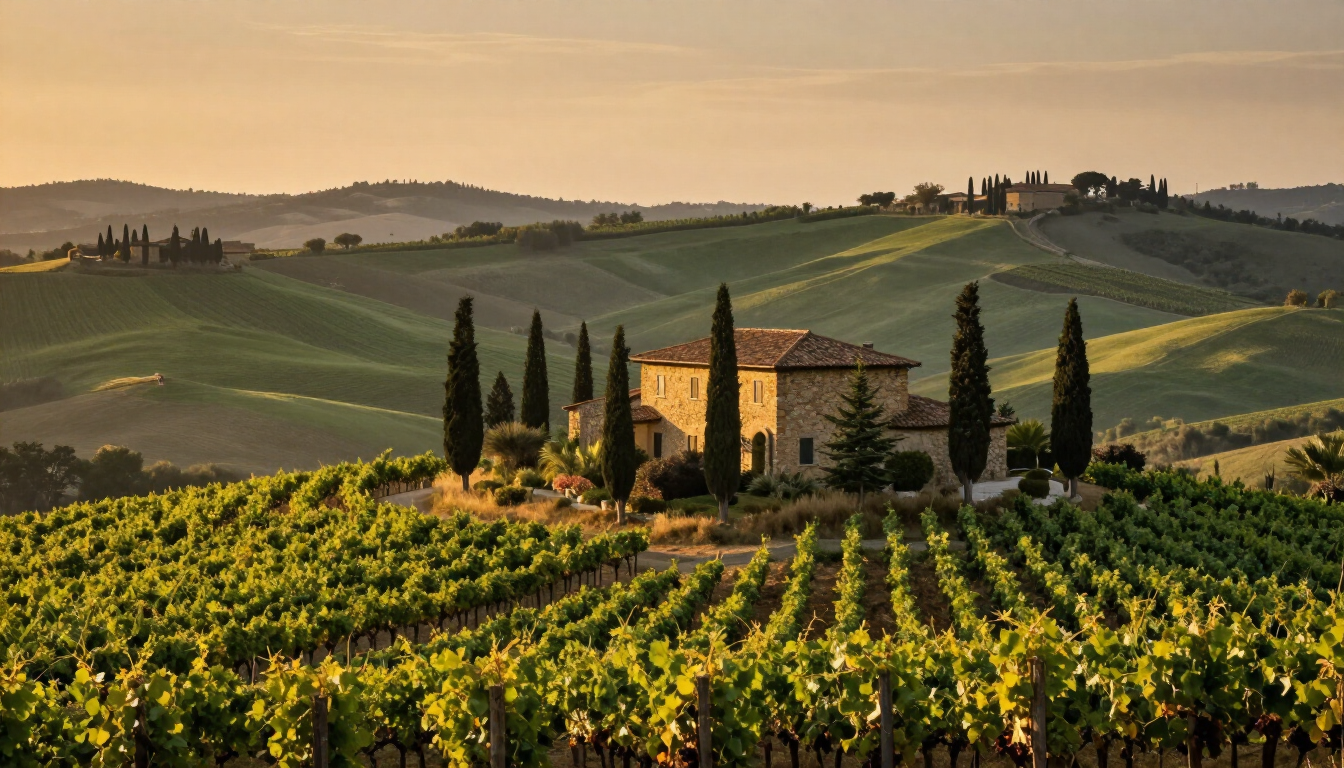
The town is internationally associated with Brunello di Montalcino , one of Italy’s most prestigious wines. Visiting a producer provides more than a tasting: it offers insight into soil, altitude, aging, harvest traditions, and the careful work behind each bottle.
Between tastings, walk the medieval streets, visit the fortress, and pause for a meal based on local ingredients. Montalcino is particularly beautiful in the late afternoon, when the surrounding hills take on soft golden tones.
Best for: wine travelers, food lovers, couples, and visitors seeking a peaceful countryside destination.
The Flavors of Montepulciano & Montalcino wine tour is designed for travelers who want to combine both celebrated wine towns in one curated experience.
How should you choose towns for a Tuscany itinerary?
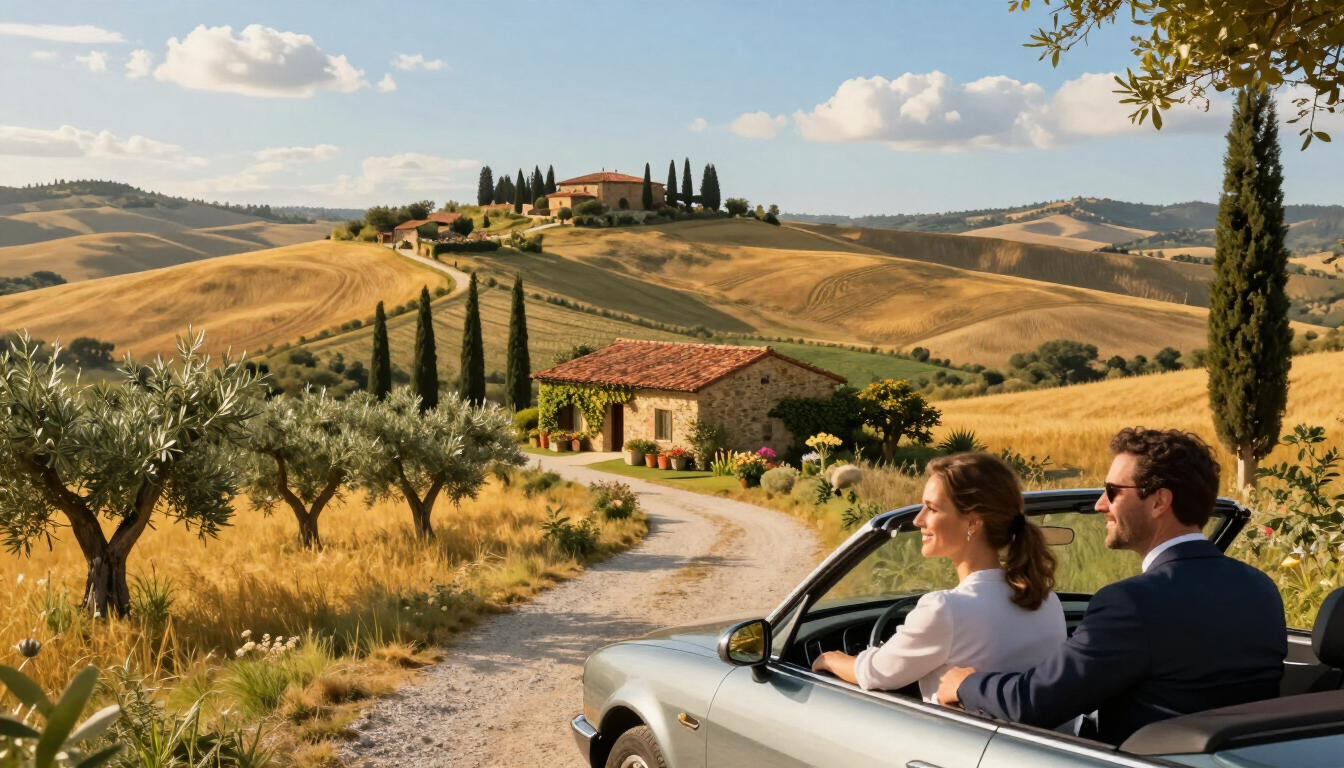
Choose destinations according to your interests, available time, and preferred rhythm rather than trying to see every famous place. A private vehicle makes it easier to combine hill towns and wineries, while trains are most convenient for larger cities such as Pisa and Lucca.
Suggested combinations
- One day: Siena and San Gimignano for medieval architecture and classic views.
- One day: Lucca and Pisa for historic monuments, walls, and an easy city pairing.
- One day: Montepulciano and Montalcino for wine, landscapes, and countryside dining.
- Culture-focused: Arezzo with a church, museum, or antique-market visit.
- Relaxed luxury: One hill town, one winery, and a long regional lunch rather than multiple rushed stops.
Consider travel time carefully. Tuscany’s destinations may look close on a map, but winding roads, parking, walking routes, and tasting appointments can make an itinerary more demanding than expected. Design your Tuscan adventure itinerary to shape the journey around your interests and pace.
When is the best time to visit Tuscany’s towns?
Spring and early autumn offer a strong balance of pleasant weather, open attractions, and beautiful countryside. April through June brings fresh green landscapes and longer days. September and October bring harvest colors, wine activity, and a softer atmosphere.
Summer is lively and rewarding, but the most popular towns can become crowded during the middle of the day. Start early, schedule indoor visits around midday, and reserve restaurants and wineries in advance. Winter is quieter and often more atmospheric, although some seasonal businesses operate on reduced schedules.
Whatever the season, a private guide or chauffeur can help you avoid unnecessary detours and discover quieter viewpoints, family-run cellars, and local restaurants that are difficult to arrange independently.
Your next step
The most beautiful towns in Tuscany are not interchangeable. Choose Siena for medieval grandeur, San Gimignano for towers, Lucca for relaxed elegance, Pisa for iconic monuments, Arezzo for art and antiques, Montepulciano for Vino Nobile, and Montalcino for Brunello and countryside. Start by selecting two or three destinations that match your interests, then build a realistic route around them. If wine, local food, and comfort matter as much as sightseeing, a private chauffeured experience can turn a long list of places into a seamless and personal Tuscan journey.