
7 Ways to Discover Quiet Tuscany in 2026

September 10, 2026

Quiet Tuscany is best discovered through private, flexible journeys rather than fixed group itineraries. Choose lesser-known villages, travel outside peak hours, meet local artisans, and linger over regional food and wine. A thoughtful Tuscany itinerary replaces rushed sightseeing with authentic encounters, scenic countryside, and the freedom to experience each place at your own pace.

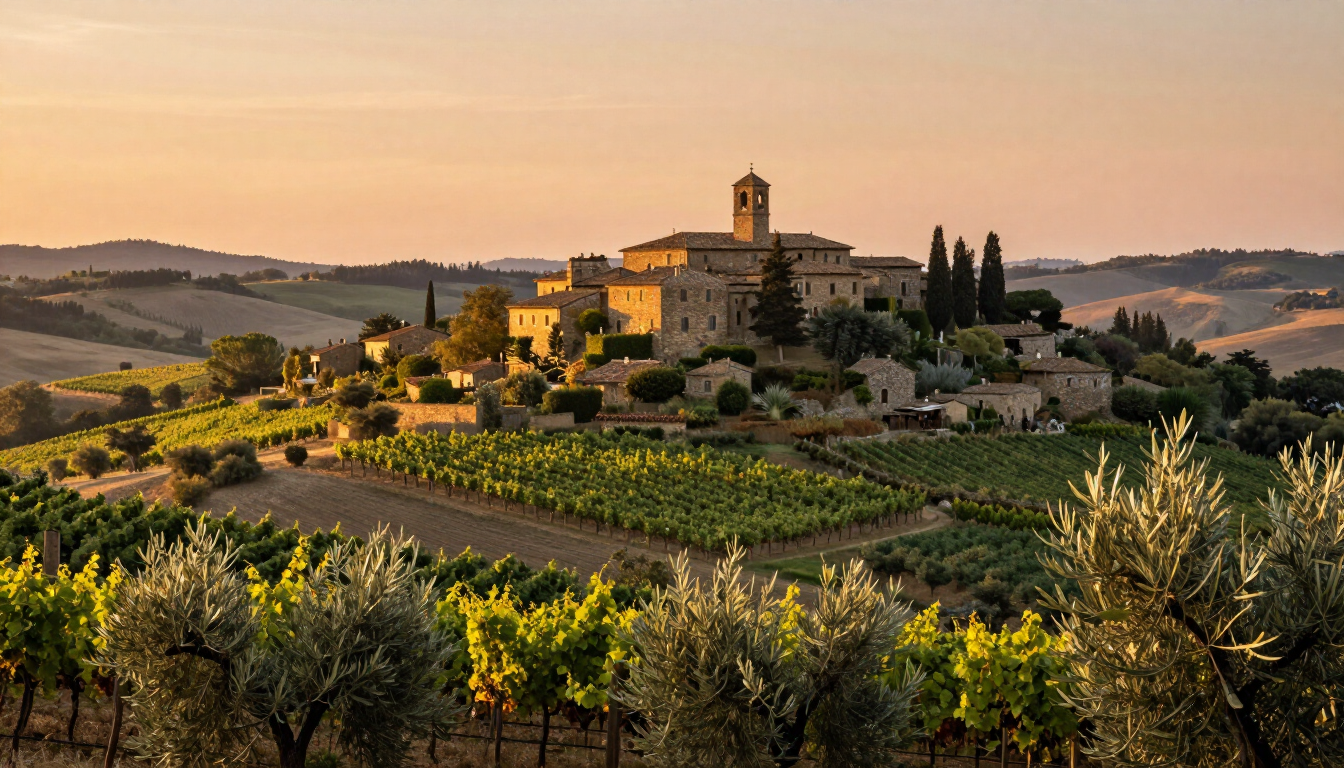
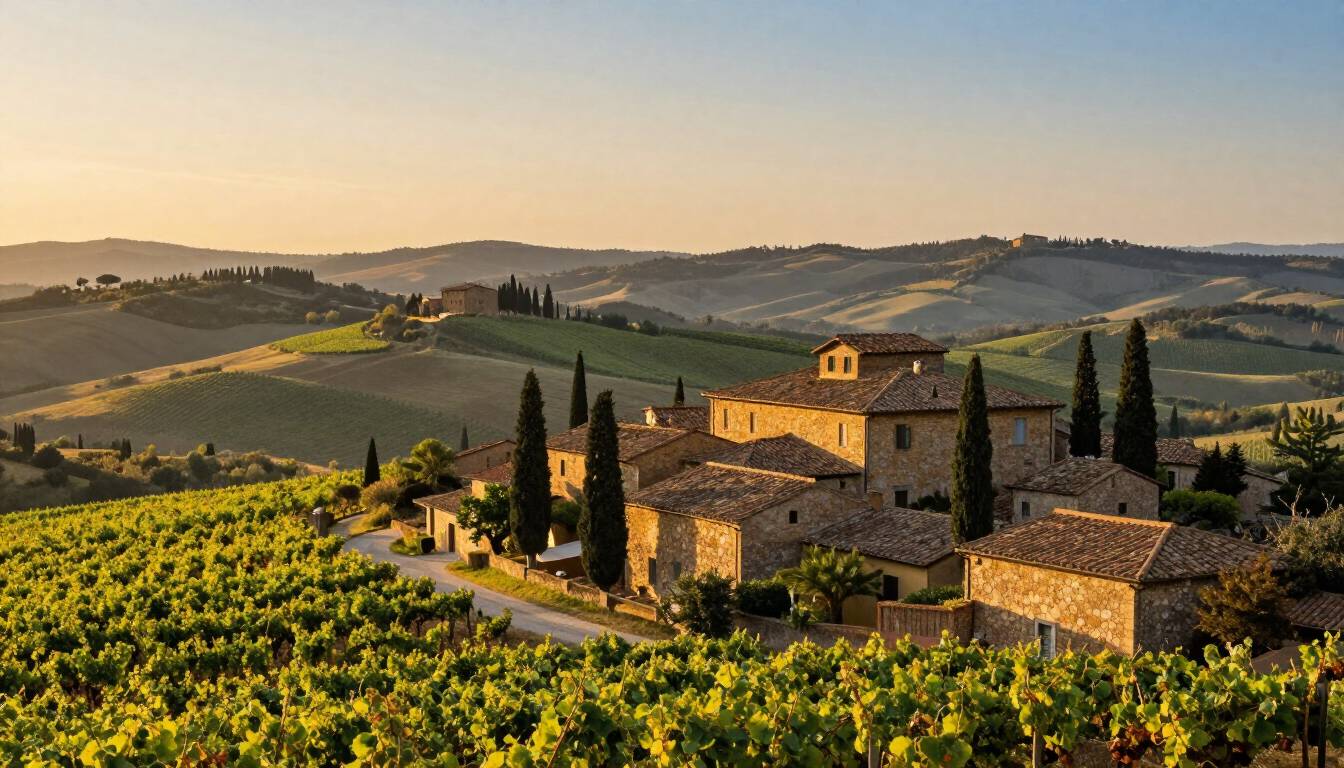
Quiet Tuscany countryside with vineyards and a hilltop village

Why choose quiet Tuscany over the busiest routes?

Tuscany is famous for Florence, Siena, San Gimignano, Chianti, and the Val d’Orcia—and rightly so. Yet even beautiful places can feel very different when visited at the wrong time, approached in a large group, or reduced to a quick photo stop.

A quieter, more authentic Tuscany experience is not about avoiding every celebrated destination. It is about experiencing them intelligently and balancing iconic sights with smaller communities, peaceful landscapes, and personal connections.

The benefits include:

  • More time for meaningful conversations and spontaneous discoveries
  • Flexible starts that avoid the busiest arrival periods
  • Access to intimate wineries, workshops, and family-run restaurants
  • A slower rhythm that suits couples, families, and private groups
  • More opportunities to see how local people live, work, and celebrate

For travelers who value comfort and privacy, a private Tuscany tour from Florence makes it easier to combine well-known highlights with places that feel genuinely personal.

1. Begin with a private, flexible itinerary

The first step toward discovering quiet Tuscany is choosing an itinerary built around your interests rather than a standard schedule. A private journey allows you to decide whether the day should focus on art, landscapes, food, wine, history, craftsmanship, or a combination of all five.

This flexibility matters because Tuscany rewards curiosity. You may want to spend longer in a small village, stop at a panoramic viewpoint, browse an artisan workshop, or enjoy an unhurried lunch. A fixed group tour rarely leaves room for those moments.

A well-planned private itinerary can also account for:

  • Your preferred departure time
  • Walking ability and mobility needs
  • Children’s interests and attention spans
  • Dietary preferences
  • Special celebrations or private occasions
  • The season and local event calendar

Rather than trying to see everything, select two or three experiences that complement one another. For example, a morning in a historic town may lead into a countryside drive and a relaxed vineyard tasting.

2. Which lesser-known Tuscan destinations are worth visiting?

Some of Tuscany’s most rewarding places are not obscure; they are simply less frequently included in rushed itineraries. Consider destinations where the pleasure comes from atmosphere, local life, and a slower pace.

Arezzo and Torre a Cona

Arezzo combines elegant squares, medieval history, antique shops, and a strong local identity. Nearby Torre a Cona offers a more rural perspective, with rolling hills, vineyards, and refined countryside scenery. The pairing creates a varied day without excessive driving.

Explore the Treasures of Arezzo & Torre A Cona for an itinerary that brings together culture and landscape.

Lucca

Encircled by Renaissance walls, Lucca is welcoming and easy to explore at walking pace. Its intimate streets, churches, cafés, and leafy ramparts invite travelers to linger. It can be especially appealing for families and couples who want beauty without the intensity of larger tourist centers.

Siena beyond the first viewpoint

Siena is a major Tuscan destination, but a private visit can reveal far more than a quick look at Piazza del Campo. Explore neighborhood contrade, quiet lanes, local traditions, and surrounding landscapes with time to understand the city’s character.

The Spirit of Siena & San Gimignano can be adapted to emphasize history, scenery, or quieter moments away from the busiest areas.

Arezzo’s antique market

On the right dates, Arezzo’s antique market provides a lively and authentic look at collecting, restoration, design, and local commerce. It is a particularly good choice for travelers interested in objects with a story rather than conventional souvenirs.

A slower way to see the countryside

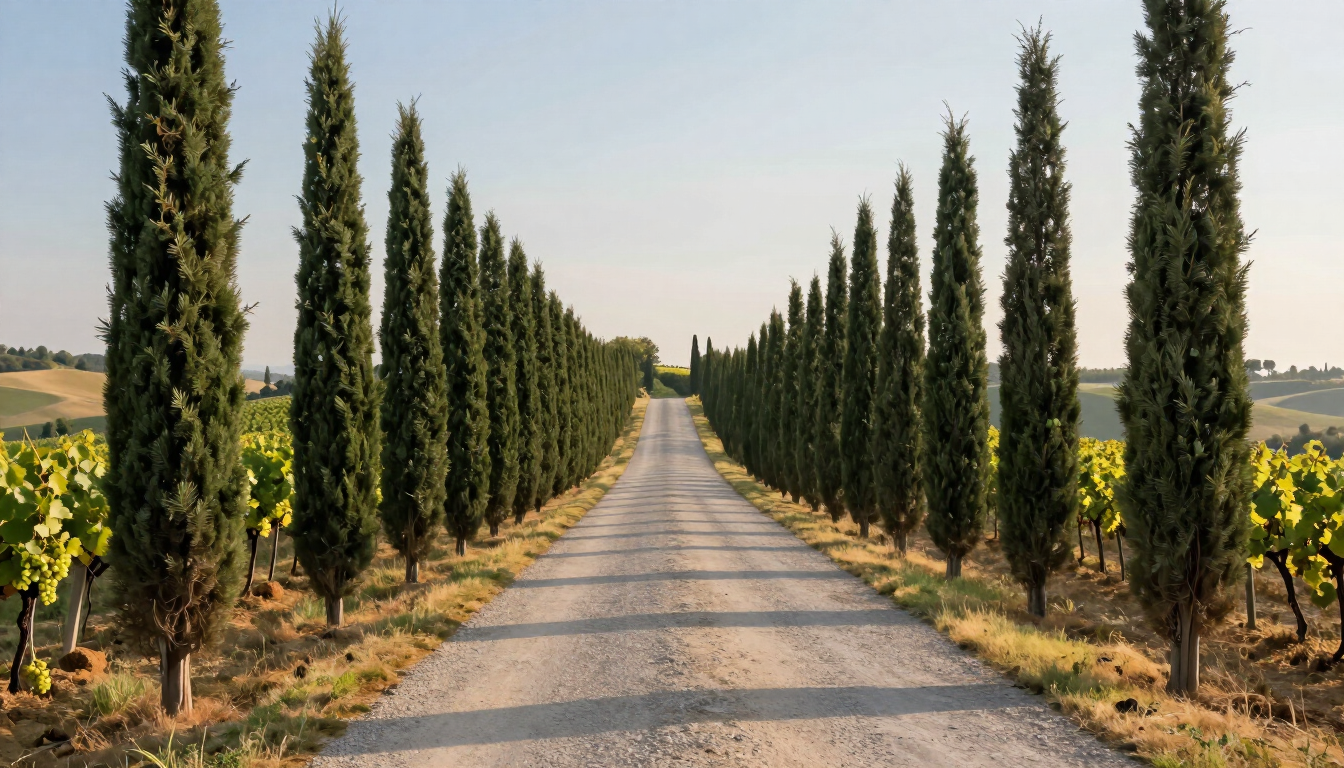
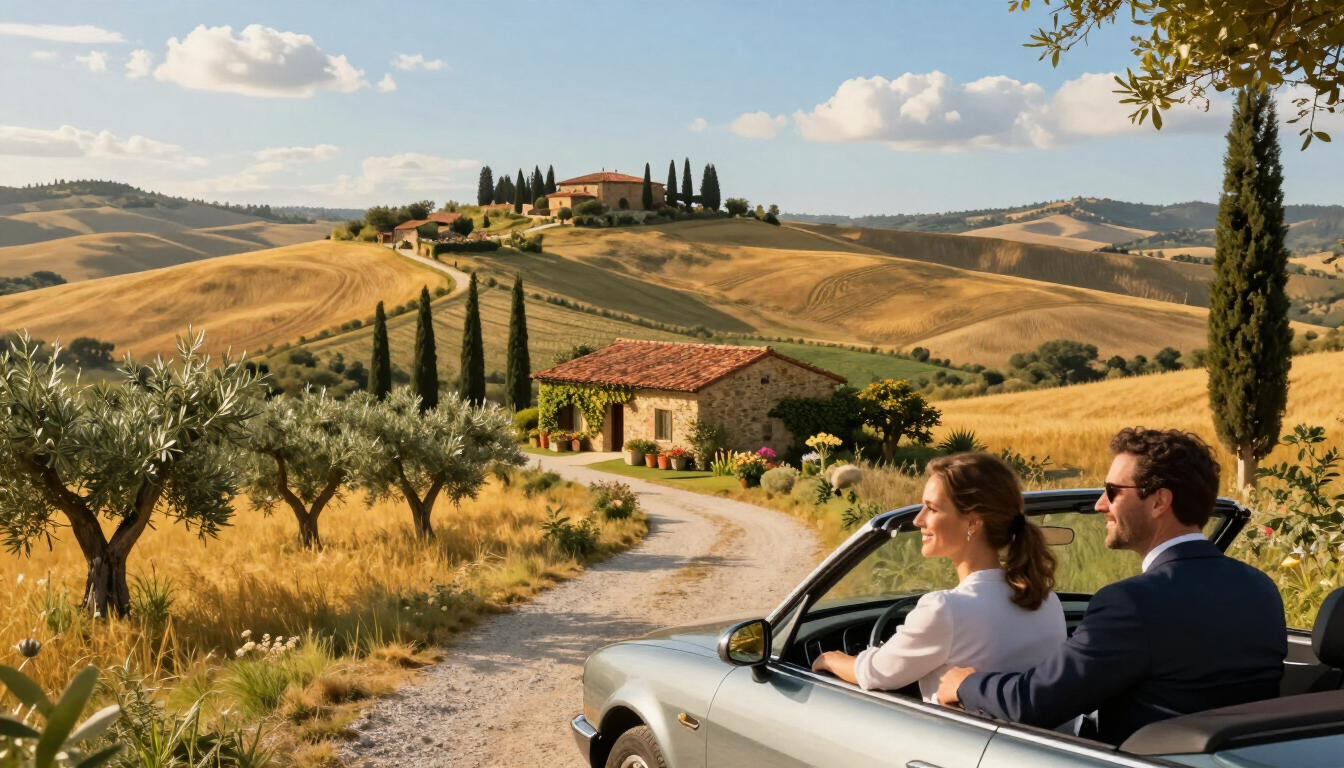
Photorealistic Tuscan country road through cypress trees and vineyards

3. How can you experience Tuscany’s countryside more deeply?

Tuscany’s landscape is not simply something to view through a car window. It is a living environment shaped by farming, family traditions, architecture, and seasonal rhythms. The best countryside experiences create reasons to stop and engage.

Consider including:

  • A scenic drive through vineyards and olive groves
  • A short walk between a village and a panoramic viewpoint
  • A visit to a historic estate or rural property
  • A conversation with a producer or guide
  • Time for a long lunch using seasonal ingredients

Traveling with a private chauffeur makes these transitions comfortable and unhurried. You can enjoy the scenery, ask questions, and make spontaneous stops without navigating unfamiliar roads or parking areas.

The route between Florence and the countryside can be part of the experience itself. Instead of treating transportation as lost time, use it to move gradually from urban architecture to open hills, stone farmhouses, cypress-lined roads, and vineyards.

4. Where can you find authentic Tuscan food and wine?

Food and wine are among the most direct ways to understand Tuscany. Look beyond highly publicized venues and seek producers, hosts, and restaurants that explain the connection between what is served and where it comes from.

A memorable tasting may include extra-virgin olive oil, pecorino, cured meats, handmade pasta, seasonal vegetables, traditional desserts, or local wines. The setting matters too: a family property, historic cellar, countryside estate, or intimate restaurant can make the meal feel personal rather than performative.

Explore Montepulciano and Montalcino

Montepulciano and Montalcino are celebrated wine destinations, but their appeal extends beyond tasting rooms. Their hilltop settings, historic centers, and agricultural surroundings offer a rich sense of place.

With a private itinerary, you can focus on producers whose style and scale suit you, whether you are a serious wine enthusiast or simply curious about Tuscan traditions. Discover the Flavors of Montepulciano & Montalcino for a more personal approach to the region.

Choose the experience, not just the label

Instead of asking only which wine region to visit, ask what kind of experience you want:

  • A scenic estate with expansive views
  • A small producer and an informal conversation
  • A food-focused lunch paired with regional wines
  • A historic cellar beneath an old town
  • A private tasting designed for beginners or enthusiasts

This approach creates a day that reflects your preferences rather than simply checking a destination off a list.

5. Why include artisan encounters in a Tuscany itinerary?

Craftsmanship gives travelers a closer connection to local culture. Florence is internationally known for art and design, but its artisan traditions are often found in workshops where skills are passed from one generation to the next.

A private artisan visit may introduce you to leatherwork, jewelry, paper, wood, ceramics, textiles, restoration, or another specialist craft. These encounters are valuable because they reveal the patience, precision, and cultural knowledge behind objects that might otherwise be seen only in a shop window.

The Artisans of Florence private journey is a natural choice for travelers who want to move beyond famous museums and understand the city through its makers.

Ask questions about materials, techniques, training, and the future of the craft. The conversation often becomes as memorable as the finished object.

Plan around the rhythm of the day

6. When should you travel to avoid crowds in Tuscany?

Timing can transform a familiar destination. Early mornings and later afternoons are often calmer, while midday is ideal for a long lunch, countryside drive, or relaxed tasting. A private guide can help arrange the order of experiences around local opening hours, weather, and seasonal conditions.

Useful timing strategies include:

  • Start early when visiting popular historic centers
  • Reserve major cultural sites in advance
  • Schedule outdoor walks during cooler hours
  • Plan lunch as a central experience rather than a rushed break
  • Visit viewpoints and villages later in the day when light is softer

Seasonality also shapes the character of Tuscany. Spring brings fresh green landscapes and flowers. Summer offers long days but requires thoughtful planning around heat. Autumn is especially appealing for harvests, wine, and warm colors. Winter can provide remarkable quiet, with fewer visitors and a more local atmosphere.

There is no single best month for everyone. The right season depends on whether your priority is walking, wine, food, photography, cultural events, or privacy.

7. How do you create a slower, more personal journey?

Slow travel does not mean doing less with your time. It means giving each experience enough space to become meaningful. Rather than moving rapidly between several towns, build a day around one main destination and a few carefully selected additions.

A slower journey might look like this:

  1. Begin with a private departure from Florence.
  2. Explore a historic town with a local perspective.
  3. Stop for a scenic walk or viewpoint.
  4. Enjoy a leisurely lunch based on local products.
  5. Meet an artisan, winemaker, or producer.
  6. Return through the countryside without rushing.

This structure works particularly well for couples and families. Adults have room for discovery, while children benefit from variety and breaks. Small groups can also adapt the pace as the day unfolds.

The goal is not to collect the largest number of destinations. It is to return with a stronger sense of a place: its flavors, landscapes, people, and stories.

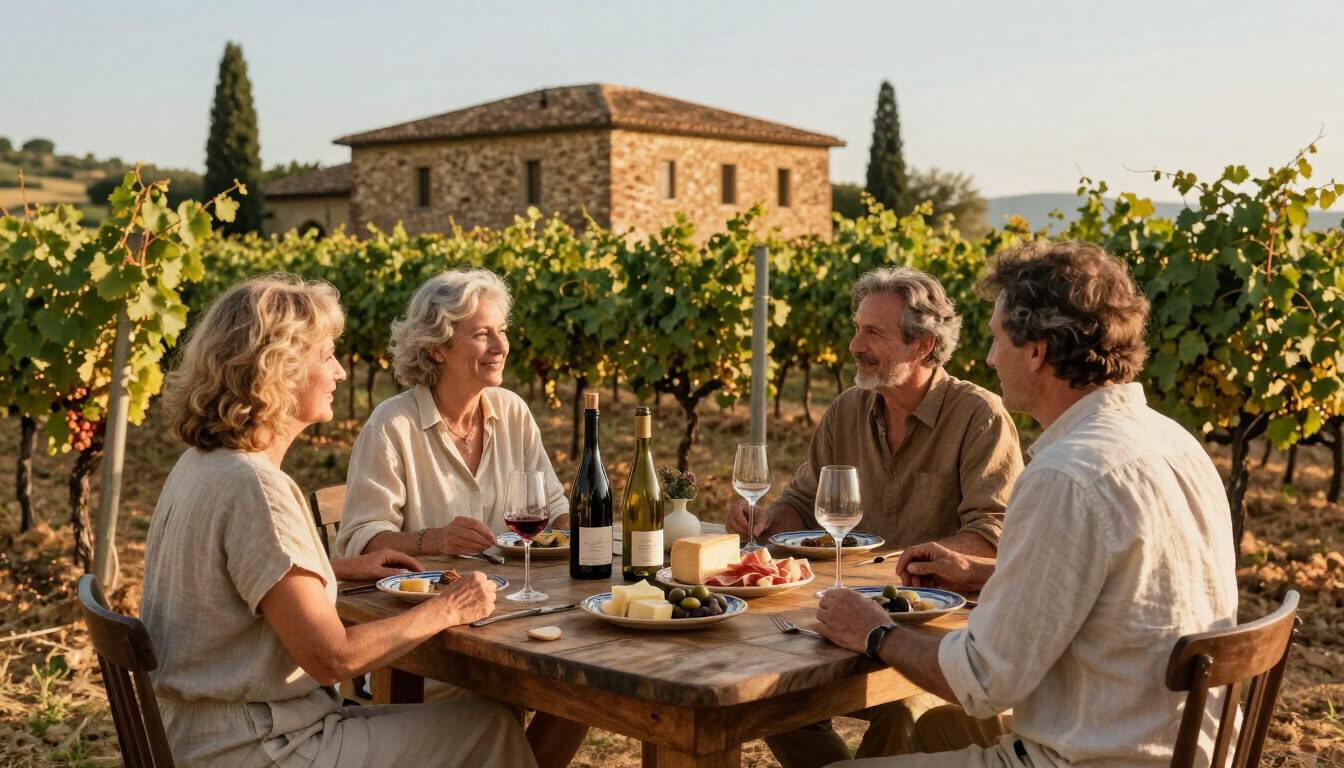
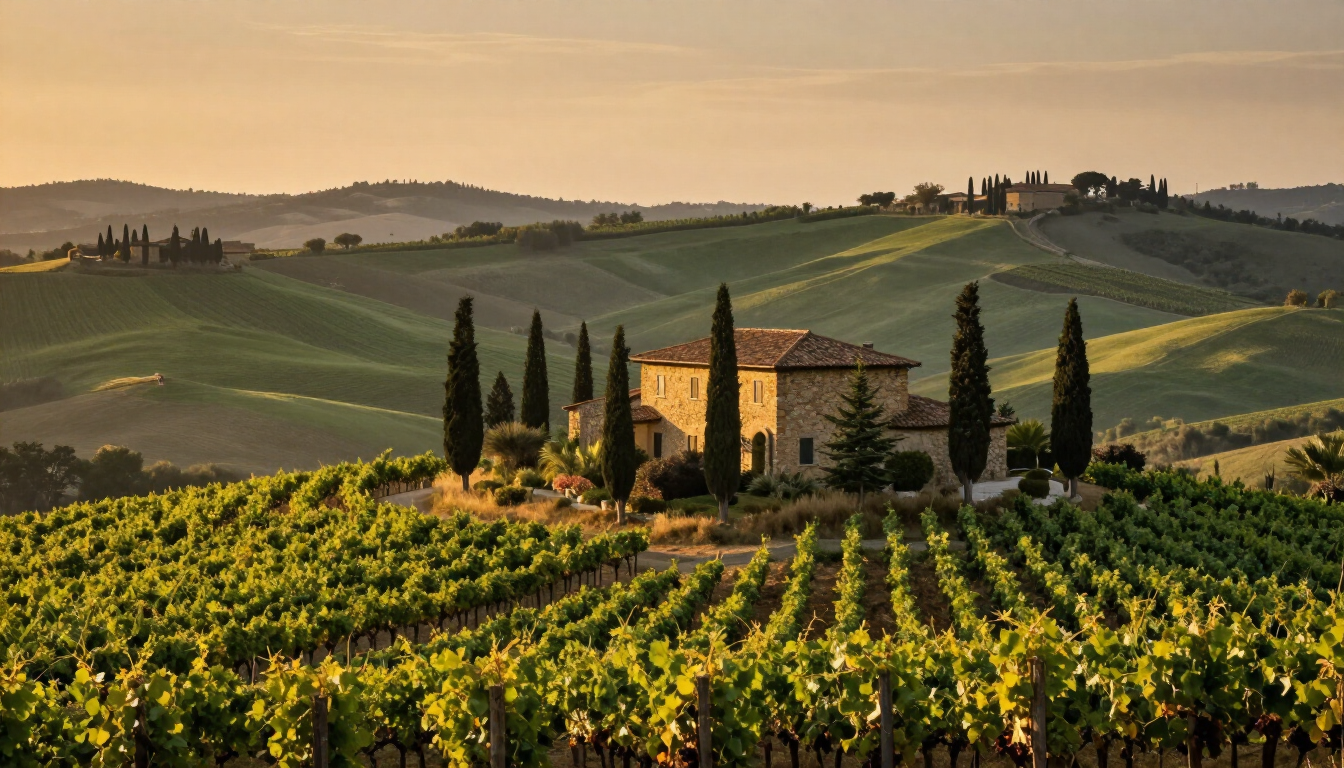
Private travelers enjoying an intimate Tuscan vineyard tasting

Planning your private Tuscany experience

The most successful itineraries begin with an honest conversation about what you enjoy. Share whether you prefer art or nature, food or history, active days or gentle exploration, famous landmarks or hidden corners.

It is also helpful to consider:

  • How much time you want to spend in the car
  • Whether you prefer one region or several connected stops
  • Which meals and tastings are important to you
  • Whether anyone in your group has mobility requirements
  • What kind of guide or host would make the day comfortable

Florence Connection creates custom Tuscan adventures for travelers who want an experience shaped around their interests. For a journey centered on comfort and flexibility, explore private chauffeured experiences .

Final takeaways

Quiet Tuscany is best experienced through thoughtful choices: travel privately, avoid rushing, explore lesser-known destinations, and make time for local food, wine, crafts, and conversation. You do not need to avoid every famous place; you need to approach it at the right pace and balance it with more intimate experiences. Start by choosing the atmosphere and activities that matter most to your group, then build a flexible route around them. When the journey leaves room for curiosity, Tuscany becomes more than a collection of sights—it becomes a personal memory of landscapes, flavors, and human connections.

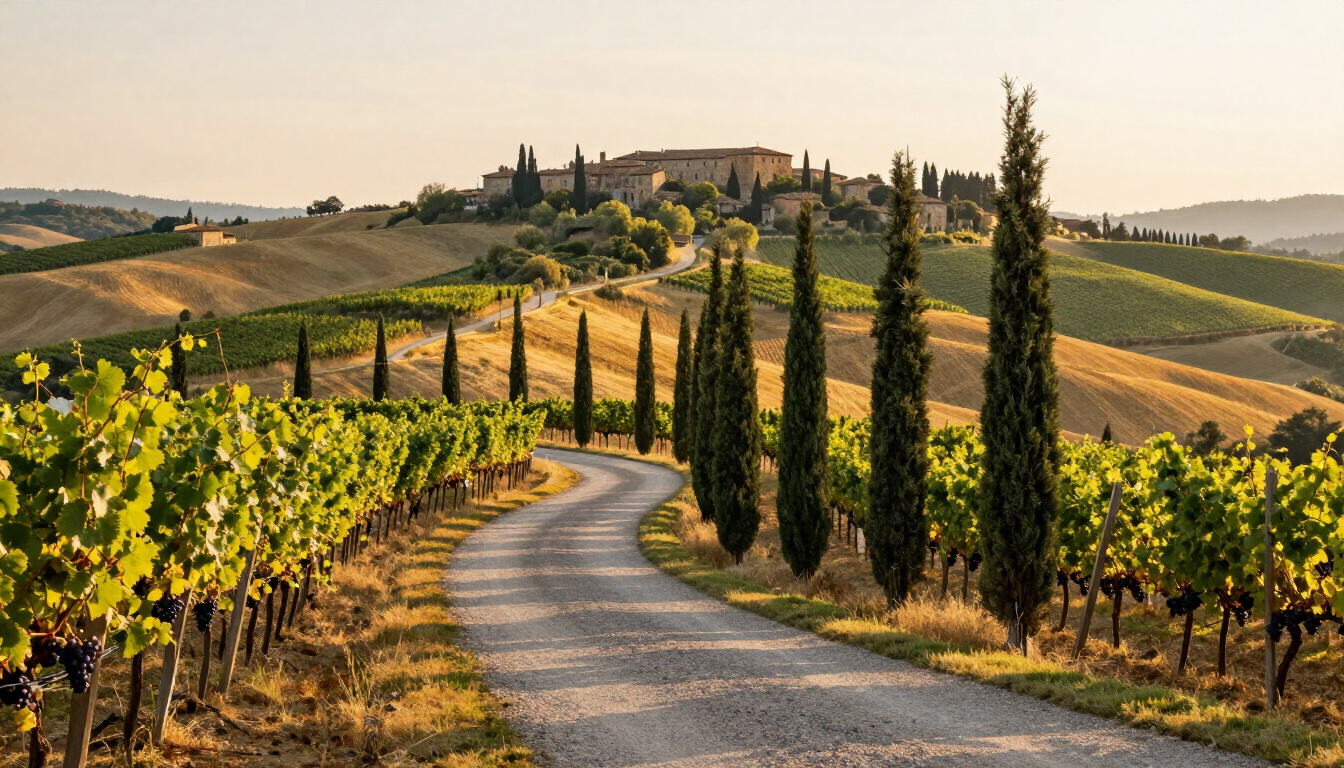
Tuscany by road through vineyards, rolling hills, and cypress trees
September 10, 2026
Plan Tuscany by road through Chianti, Siena, Val d’Orcia, Montepulciano, and Montalcino with scenic routes, private chauffeurs, and practical itinerary advice.
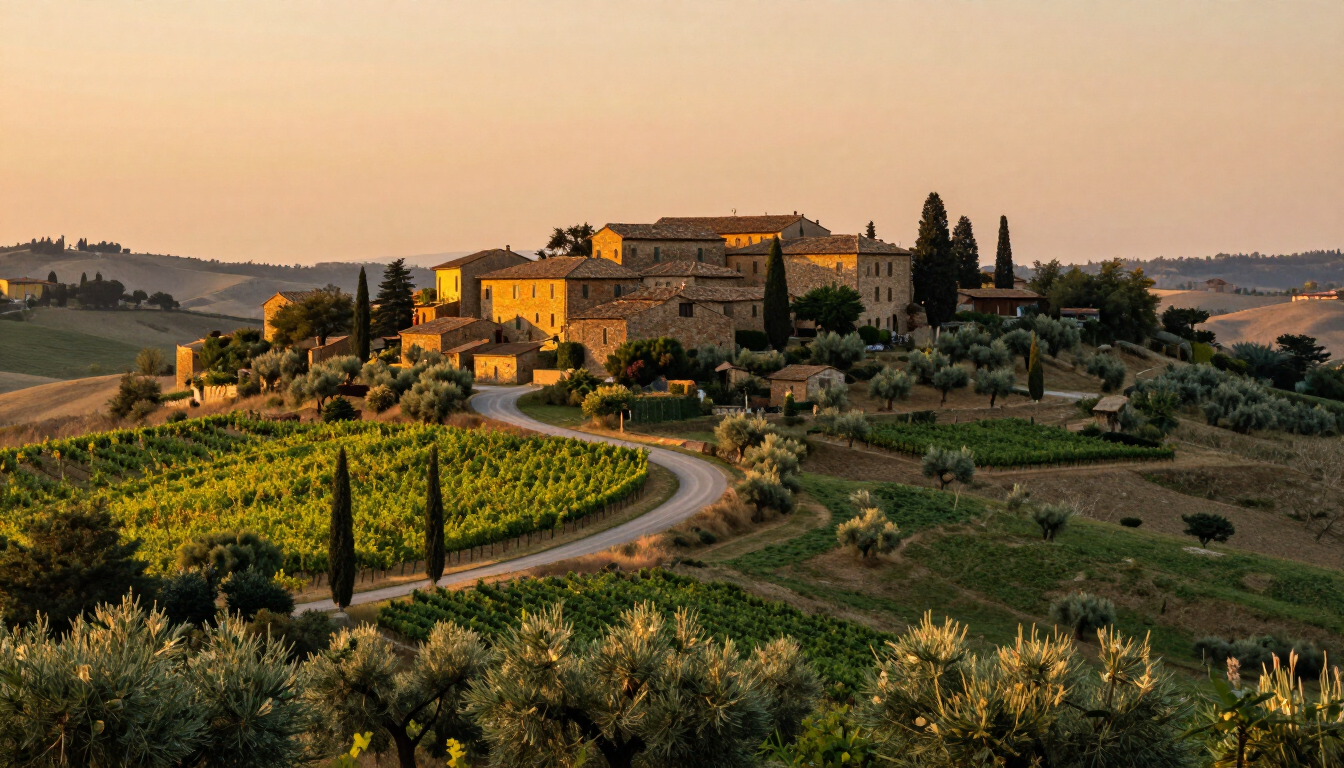
Hidden Tuscany hill town, vineyards, and olive groves
September 10, 2026
Discover hidden Tuscany through authentic hill towns, artisan traditions, local food, wine, and private countryside experiences beyond the usual tourist routes.
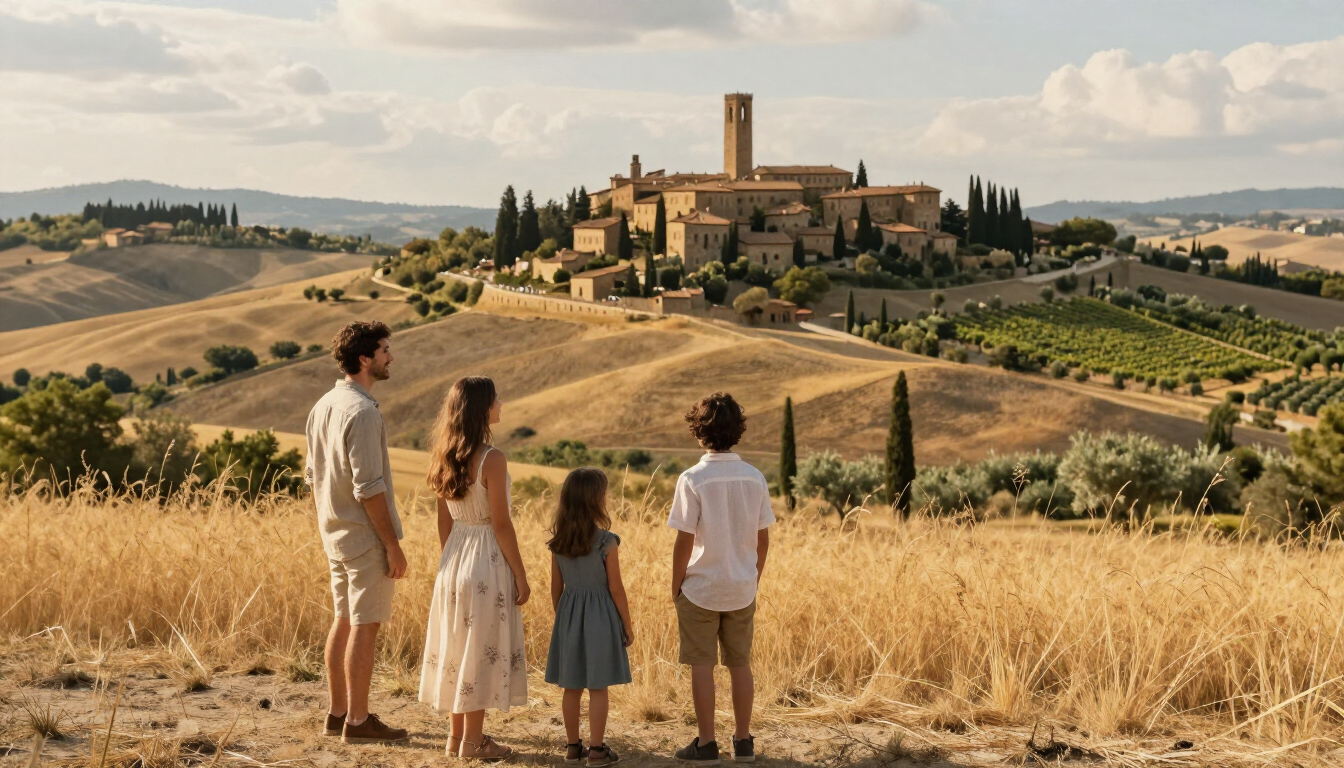
Family enjoying a family-friendly Tuscany itinerary in the countryside
September 10, 2026
Plan a family-friendly Tuscany itinerary with Florence, hill towns, countryside, food, culture, private transport, and flexible experiences for every age.
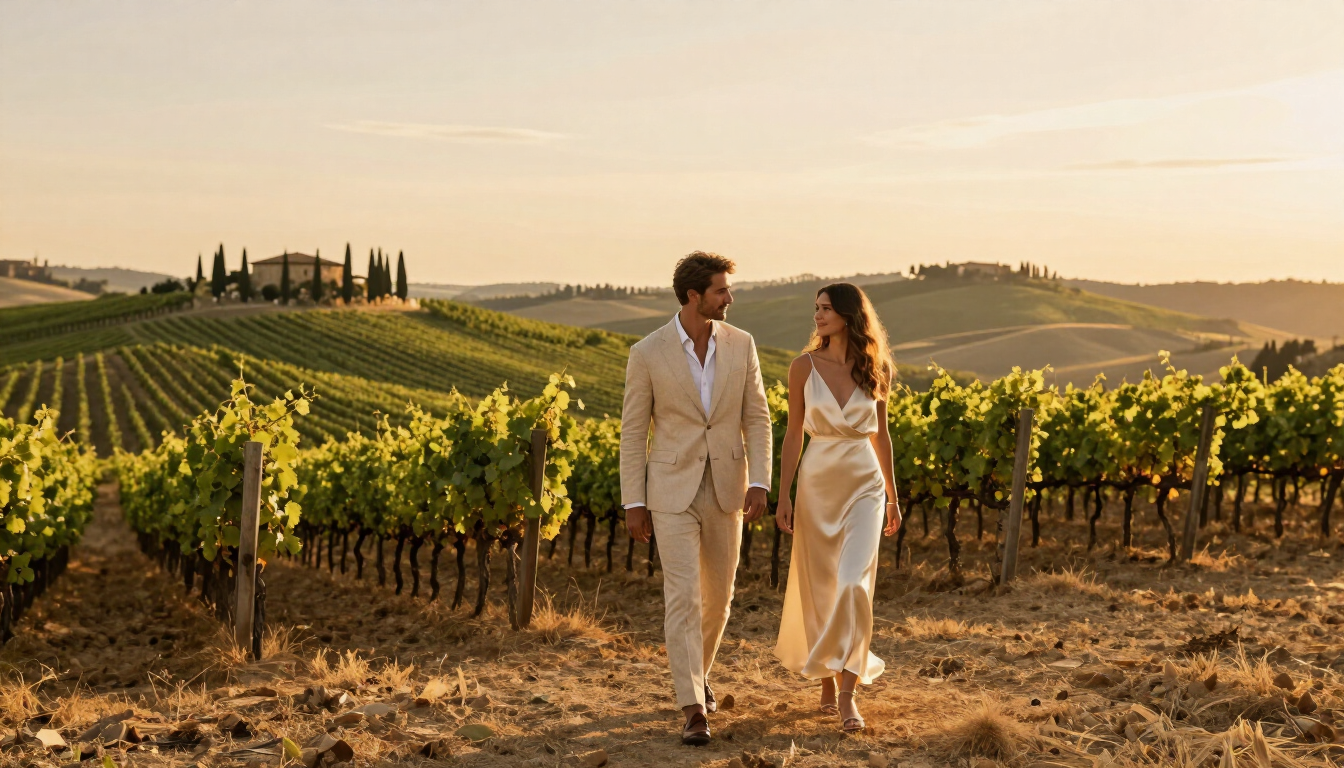
Romantic Tuscany itinerary for couples in the countryside
September 10, 2026
Plan a romantic Tuscany itinerary for couples with Florence, Siena, Chianti, Val d’Orcia, wine tasting, private tours, and luxurious countryside moments.
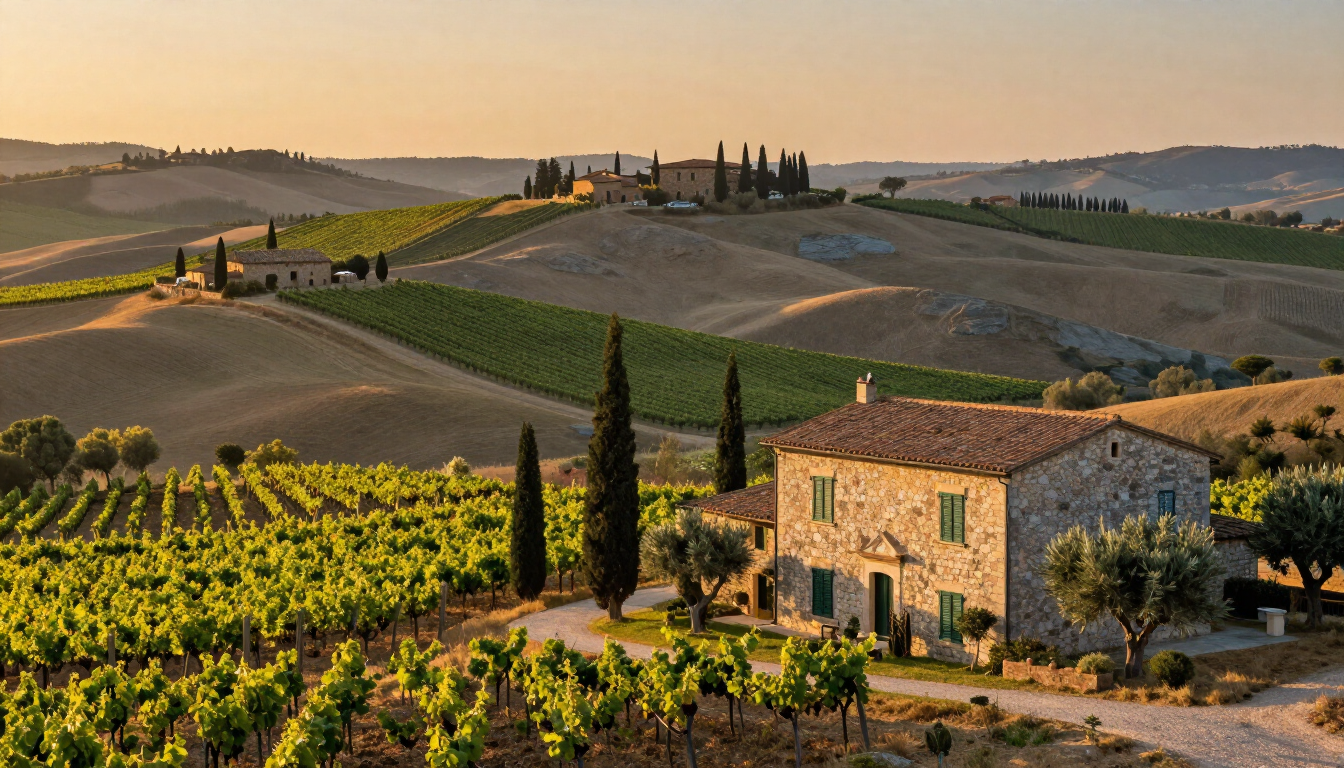
Best time to visit Tuscany for vineyards and countryside travel
September 10, 2026
Discover the best time to visit Tuscany for wine, culture, food, countryside walks, artisan experiences, and quieter travel with this practical seasonal guide.
Private Tuscany tour through rolling vineyards and hill towns
September 10, 2026
Plan a private Tuscany tour with expert guides, private transport, flexible itineraries, and authentic Siena, San Gimignano, Chianti, wine, and food experiences.
Most beautiful towns in Tuscany with medieval rooftops and vineyards
September 10, 2026
Discover the most beautiful towns in Tuscany, from Siena and San Gimignano to Lucca, Montepulciano, and Montalcino, and choose the right stops for your trip.
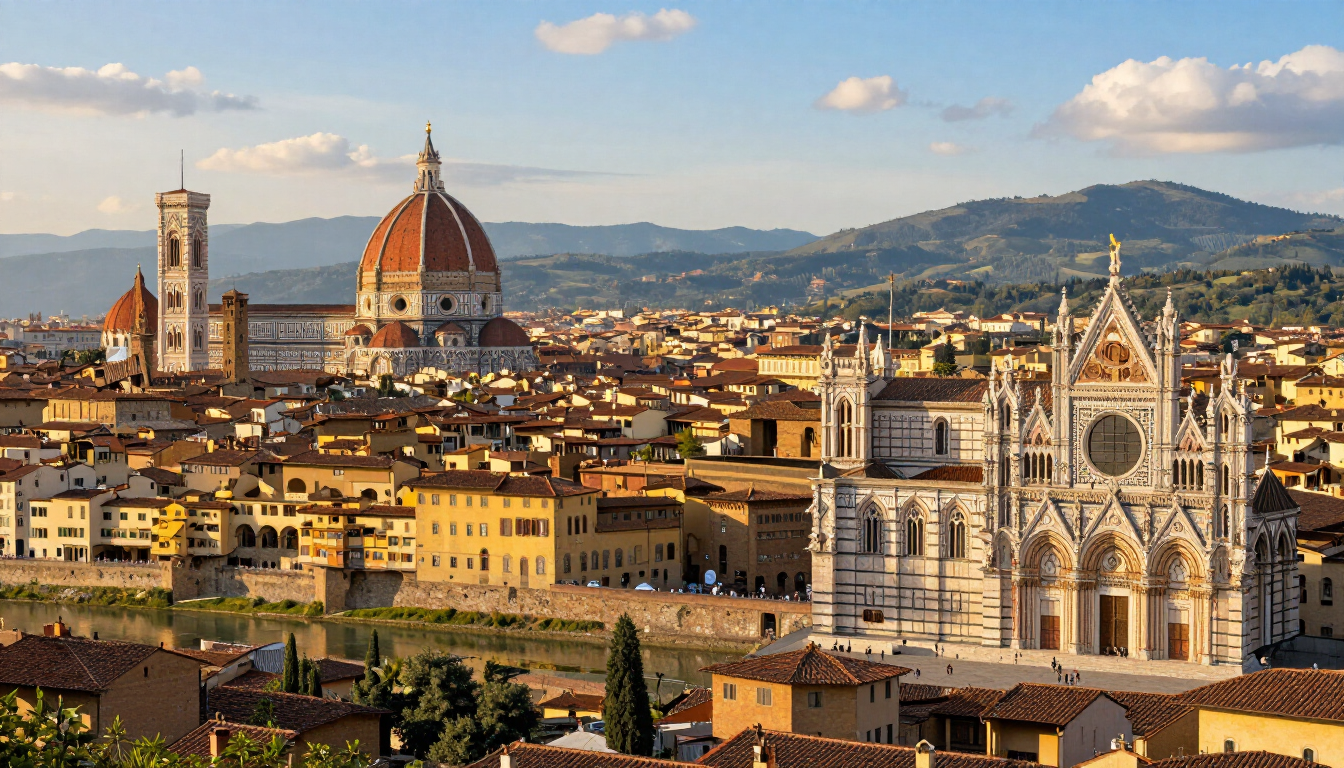
Florence vs Siena travel comparison with Tuscan city views
September 10, 2026
Florence vs Siena compared by history, art, food, atmosphere, sightseeing, and private experiences—so you can choose one or combine both in Tuscany.
Best places to visit in Tuscany from Florence
September 10, 2026
Discover the best places to visit in Tuscany from Florence, from Siena and Chianti to Val d’Orcia, with practical ideas for private day trips, wine, food, culture, and scenery.
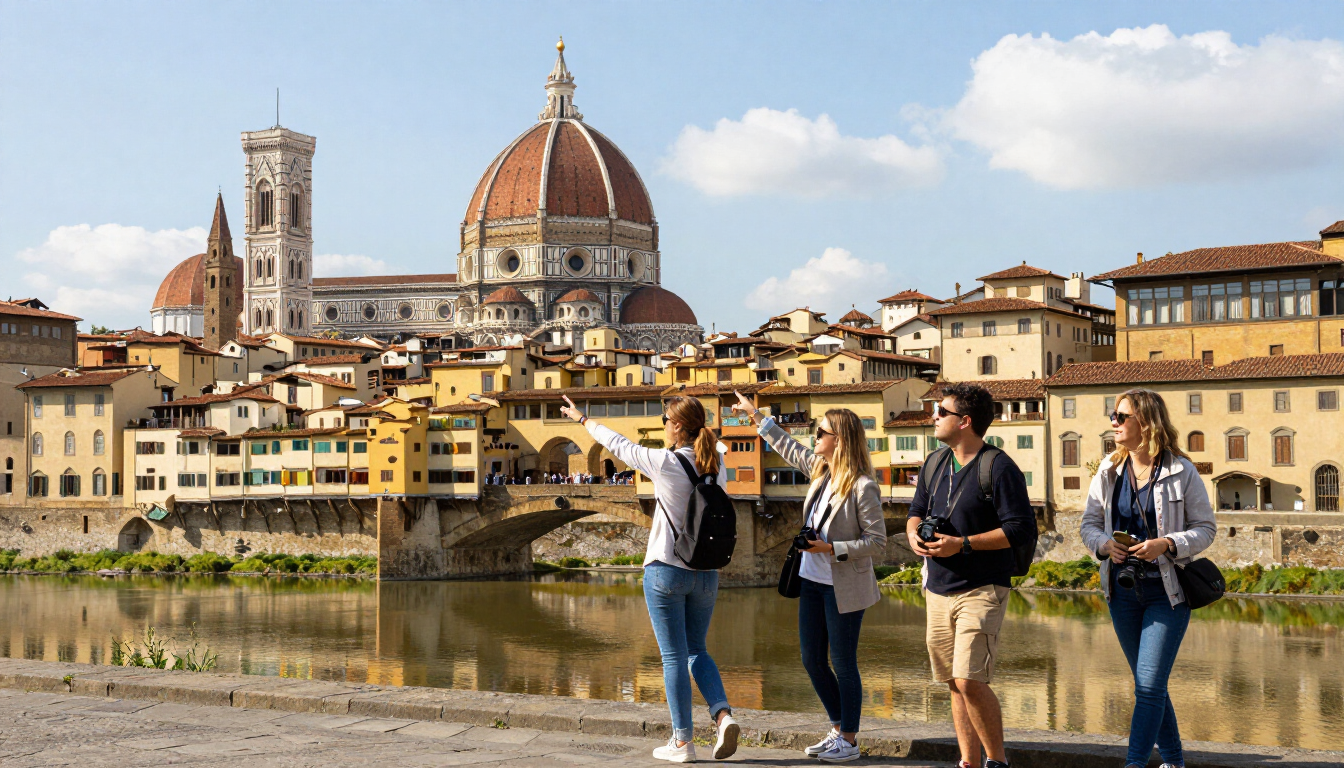
Three-day Florence itinerary with the Duomo and elegant Tuscan cityscape
September 10, 2026
Plan the perfect three-day Florence itinerary with iconic art, Tuscan food, artisan experiences, and private local touches at a relaxed pace.

Show More