5 Ways to Choose the Best Time to Visit Tuscany
Tuscany does not have one universal best time to visit. Choose spring for gardens, walking, and fresh landscapes; summer for long days and festivals; autumn for wine, harvest, and food; or winter for museums, artisan experiences, and quieter streets. Your ideal season depends on the experience you value most.
What is the best time to visit Tuscany?
The best time to visit Tuscany is usually April to June or September to October , when the weather is comfortable, landscapes are beautiful, and major attractions are generally less crowded than in July and August. However, each season offers a distinct way to experience the region.
Instead of choosing dates based only on temperature, begin with your priorities:
- Countryside and walking: April, May, September, and October
- Wine and harvest experiences: September and October
- Beach and long summer evenings: July and August
- Museums and cities: November through March
- Quiet, personalized travel: November, February, and early March
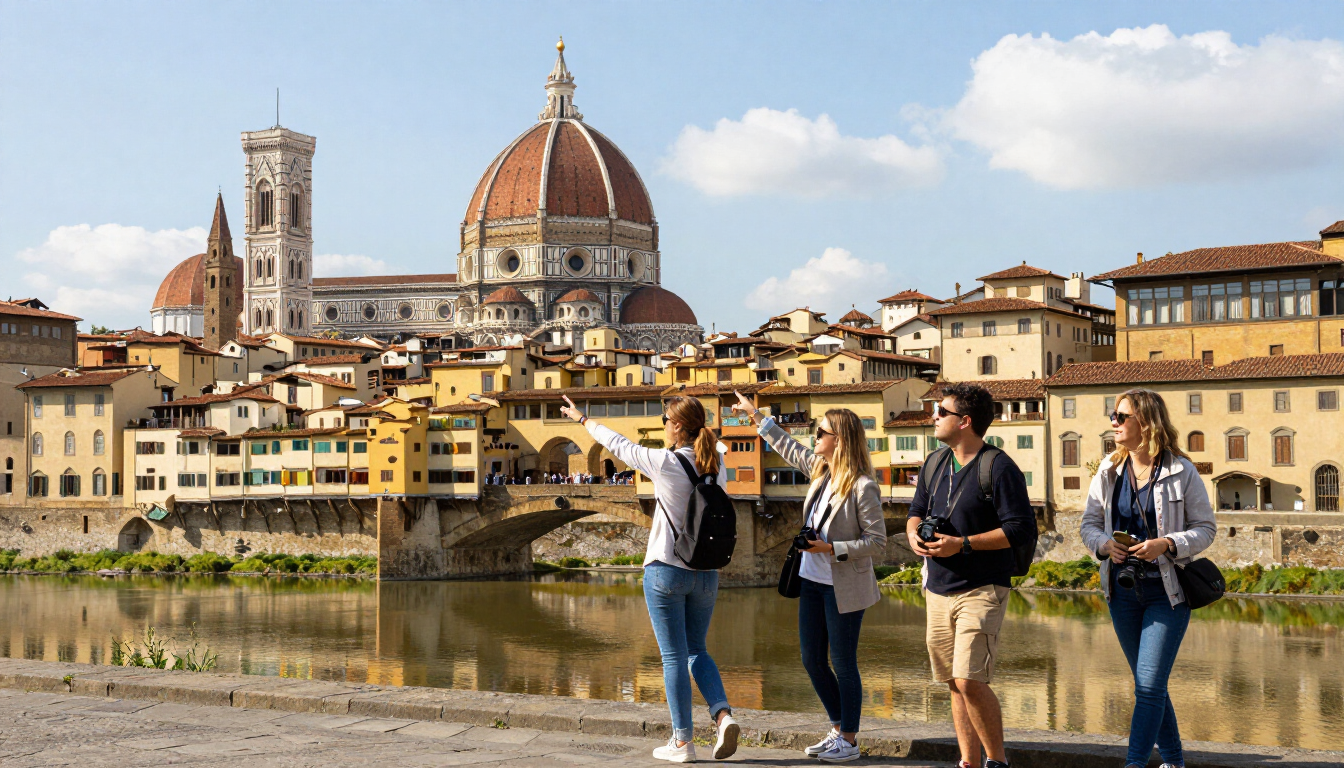
Tuscany includes Florence, Siena, Chianti, San Gimignano, Lucca, Pisa, Arezzo, Val d’Orcia, and many smaller villages. Conditions can vary between the cities and the countryside, so a flexible plan is often more rewarding than a rigid seasonal itinerary.
When should you visit Tuscany for countryside exploration?
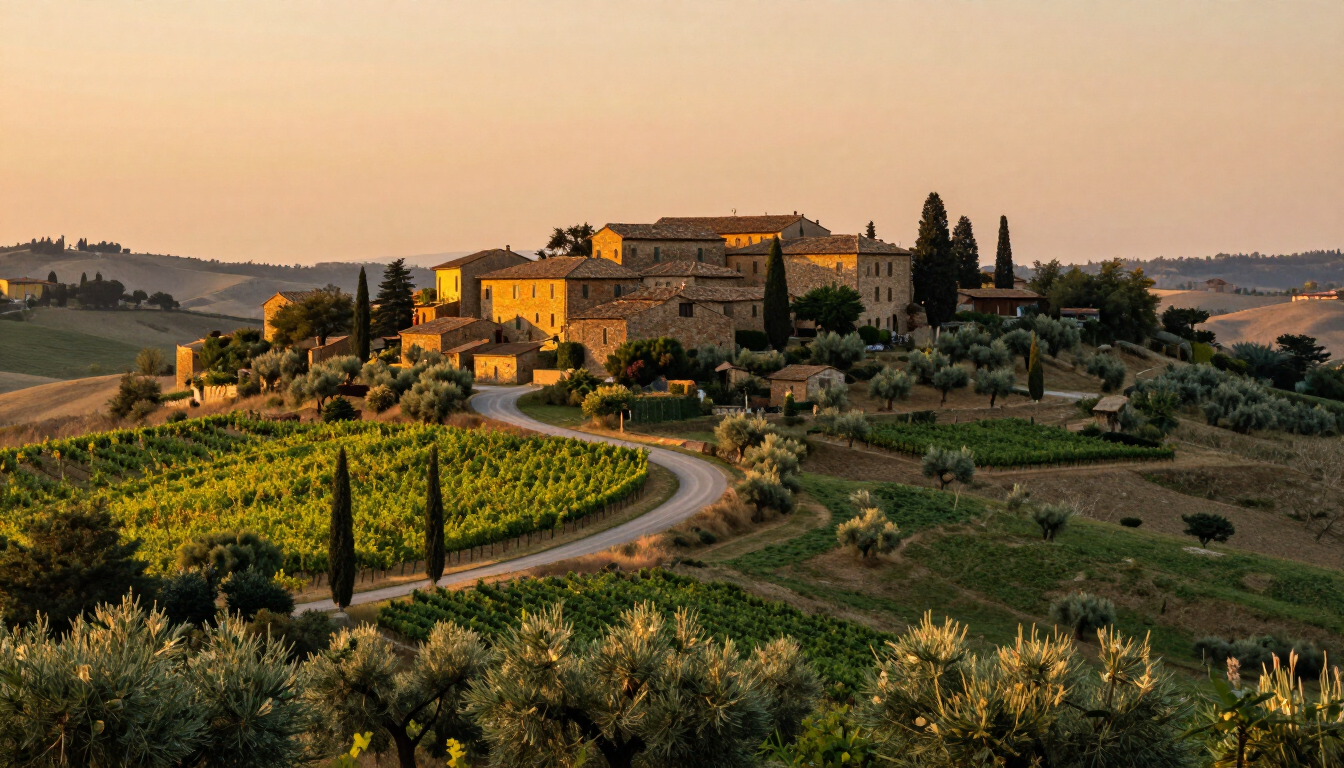
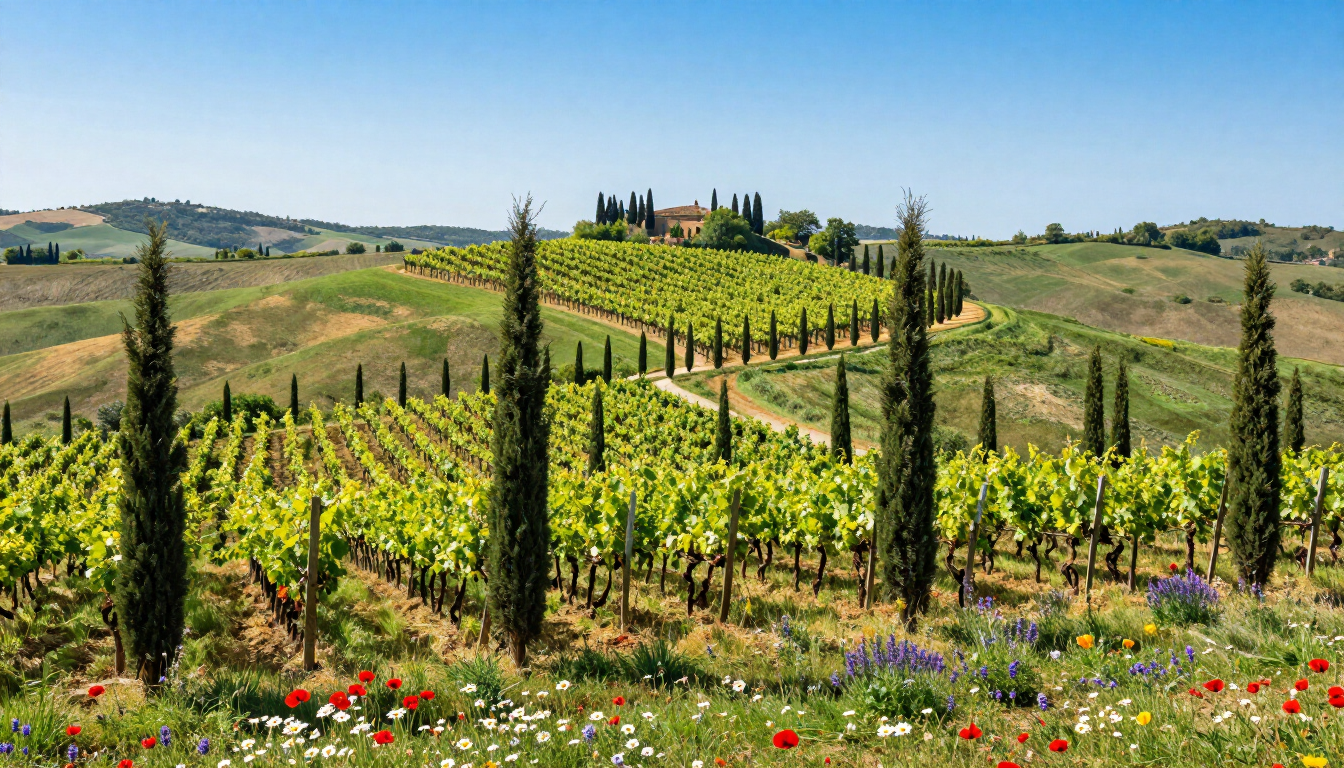
Choose spring or early autumn if your priority is seeing Tuscany’s landscapes at their most inviting. April and May bring green hills, wildflowers, and comfortably mild temperatures. September and October offer warm light, vineyard activity, and a more settled atmosphere after the peak summer period.
These seasons are particularly suitable for:
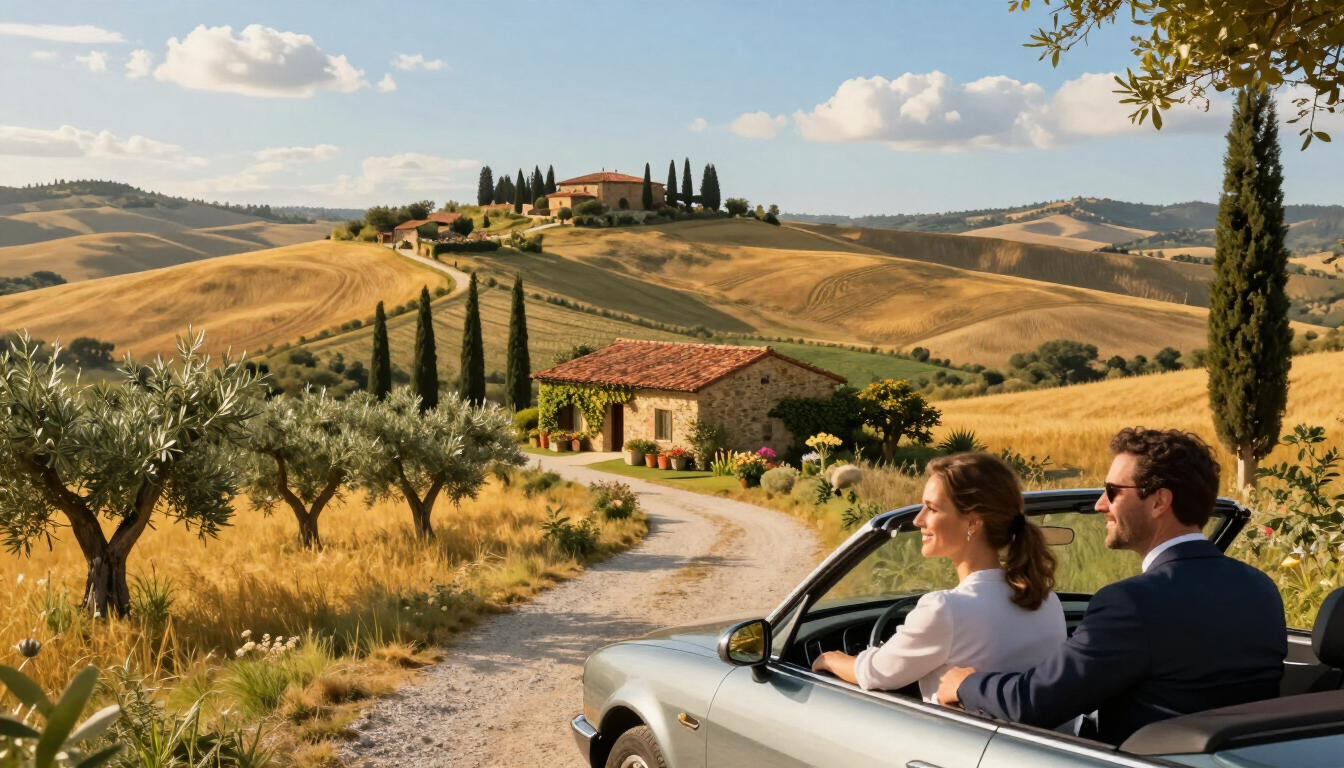
- Scenic drives through the Chianti and Val d’Orcia countryside
- Walking between historic villages and viewpoints
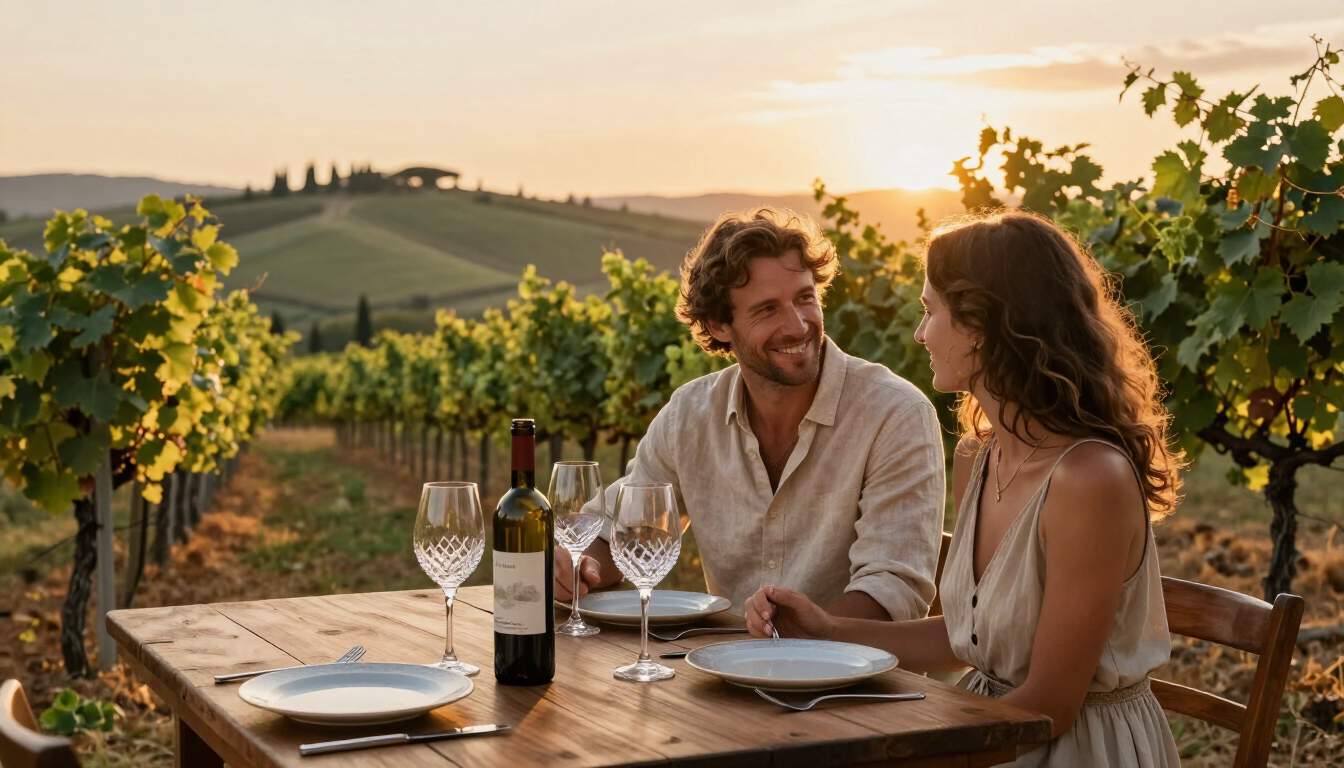
- Outdoor lunches at farms, estates, and wineries
- Photography in soft morning or late-afternoon light
- Private excursions with time to stop spontaneously
Spring can include occasional rain, so comfortable shoes and a light waterproof layer are useful. In autumn, days may feel warm in the sun but cooler after sunset. Layered clothing makes countryside travel more comfortable.
For a first introduction to the region, consider a private route combining medieval towns and vineyards, such as the Siena and Chianti Private Escape Tour . A private itinerary also makes it easier to adapt the day around weather, energy levels, and preferred scenery.
Which season is best for Tuscany wine tours?
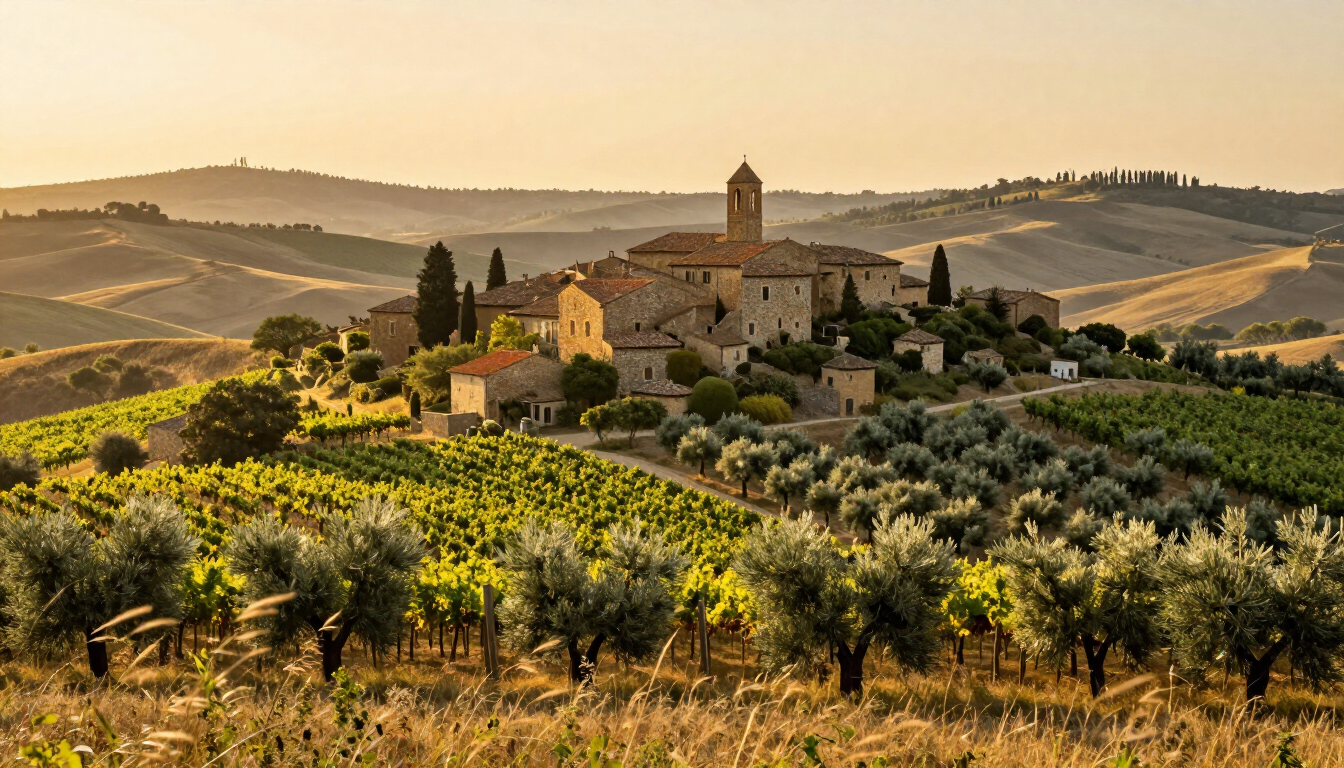
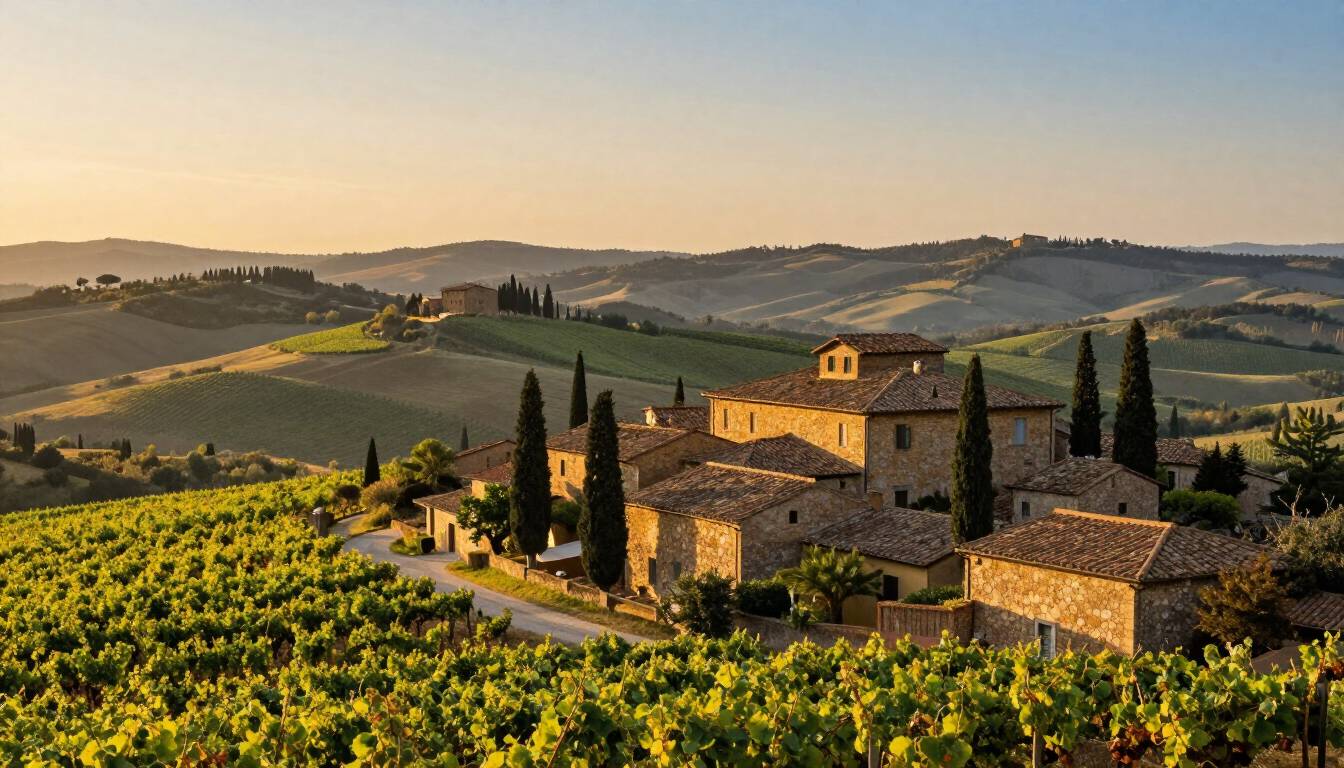
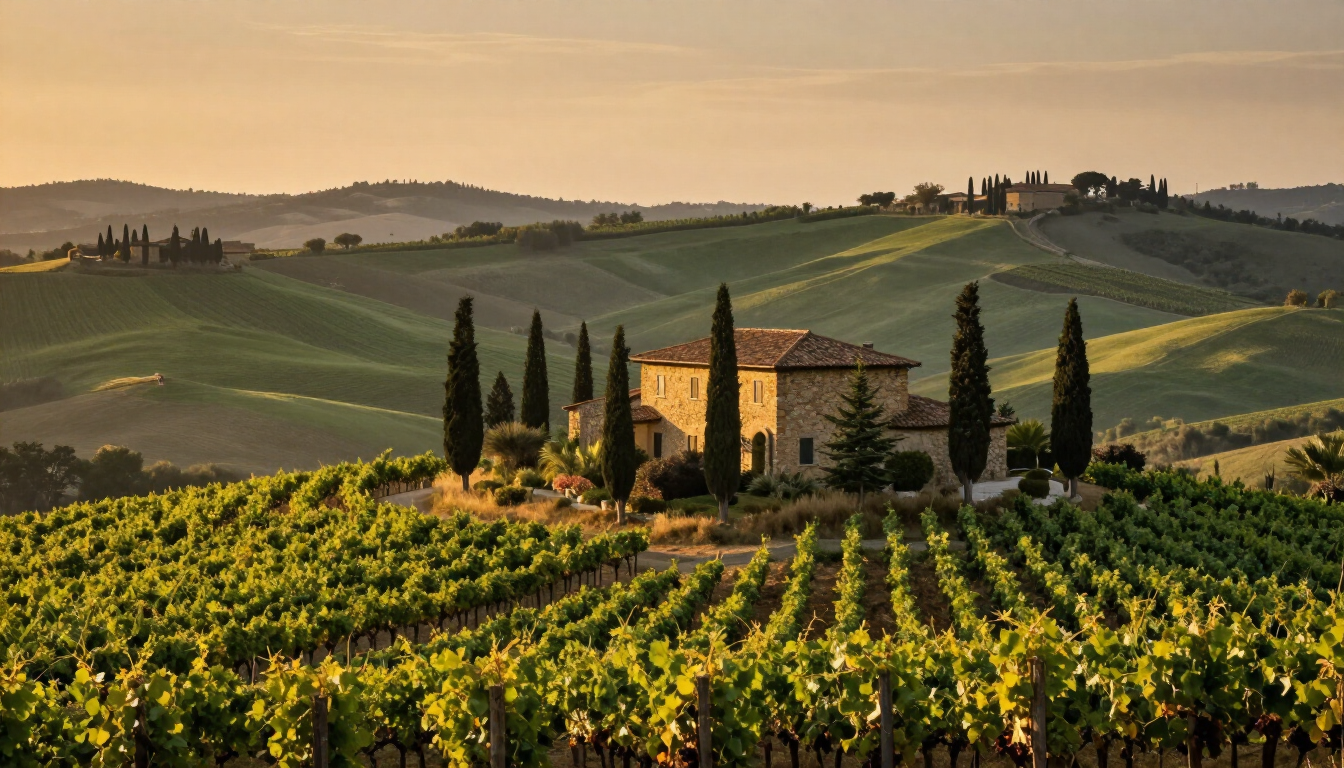
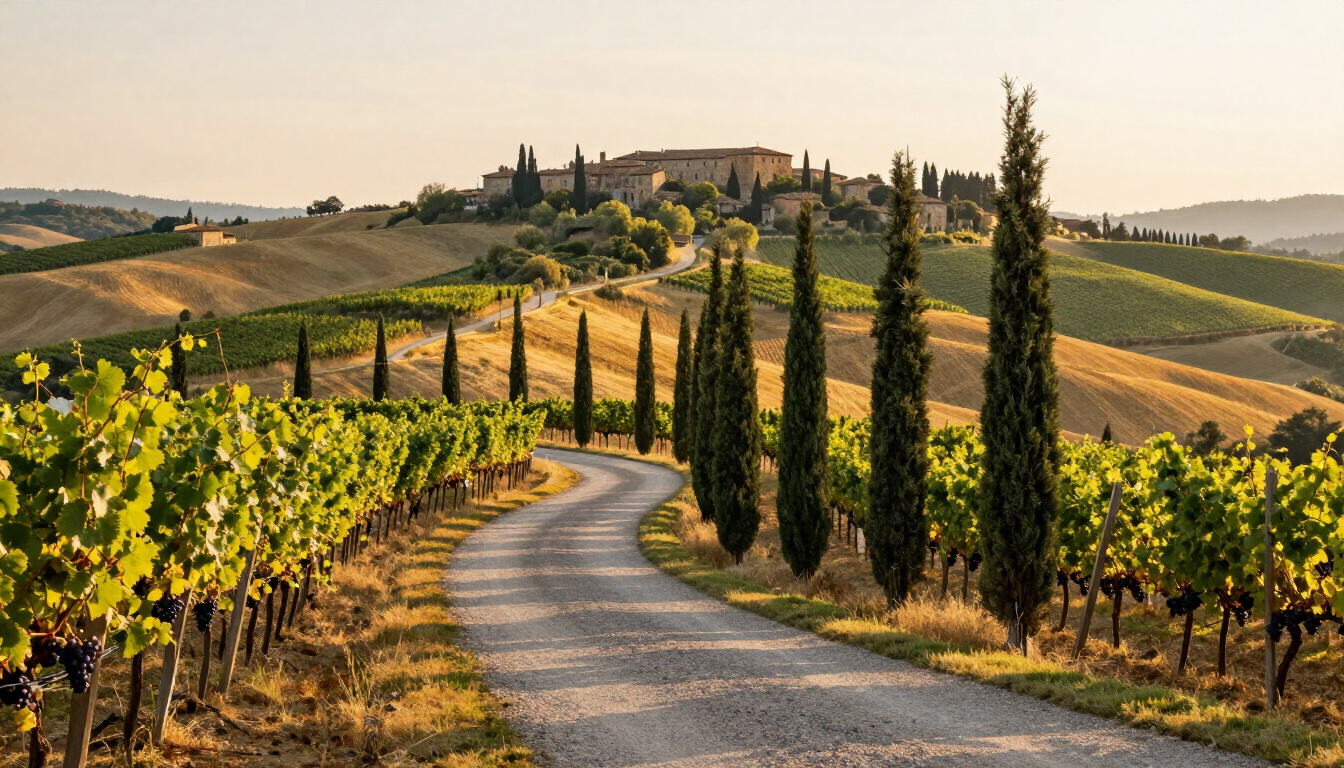
Autumn is the most atmospheric season for wine-focused travel , especially from September into October. Vineyards become active during the harvest, the countryside takes on golden and russet tones, and wineries often offer a strong sense of place and seasonal identity.
September is a useful compromise for travelers who want warm days without the height of midsummer. October is often calmer and especially appealing to visitors interested in food, local traditions, and intimate tastings. Exact harvest timing changes each year, so it is wise to confirm availability before booking.
Winter and spring can also be excellent for wine experiences. Smaller tasting rooms may feel more personal, and a private guide can provide deeper context about producers, grape varieties, and the relationship between wine and landscape.
Wine lovers can explore the Flavors of Montepulciano and Montalcino , where historic towns and renowned wine areas create a natural full-day combination.
A practical wine-planning checklist
- Ask whether the winery offers vineyard access as well as tastings.
- Confirm transportation arrangements before sampling several wines.
- Allow time for lunch rather than scheduling visits back-to-back.
- Check whether harvest activities affect access or opening hours.
- Choose a private route if you want to focus on particular producers or styles.
What is the best time to visit Tuscany for food and harvest experiences?
If food is central to your trip, choose September through November . Autumn brings mushrooms, chestnuts, new olive oil, seasonal game, truffles in selected areas, and menus shaped by local harvests. October and November can be especially appealing for travelers who prefer a slower pace and cooler temperatures.
Spring is another excellent food season. Markets fill with fresh vegetables, herbs, and fruit, while outdoor dining becomes increasingly comfortable. Summer offers abundant produce and long evenings, although popular restaurants and destinations can be busier.
Food experiences are not limited to formal cooking classes. You might visit a market, meet an artisan producer, enjoy a farmhouse lunch, or connect a city walk with a tasting. The Florence Walking, Market and Gourmet Tour is a useful choice for travelers who want to understand the city through its food culture.
When is Tuscany best for museums and cultural sightseeing?
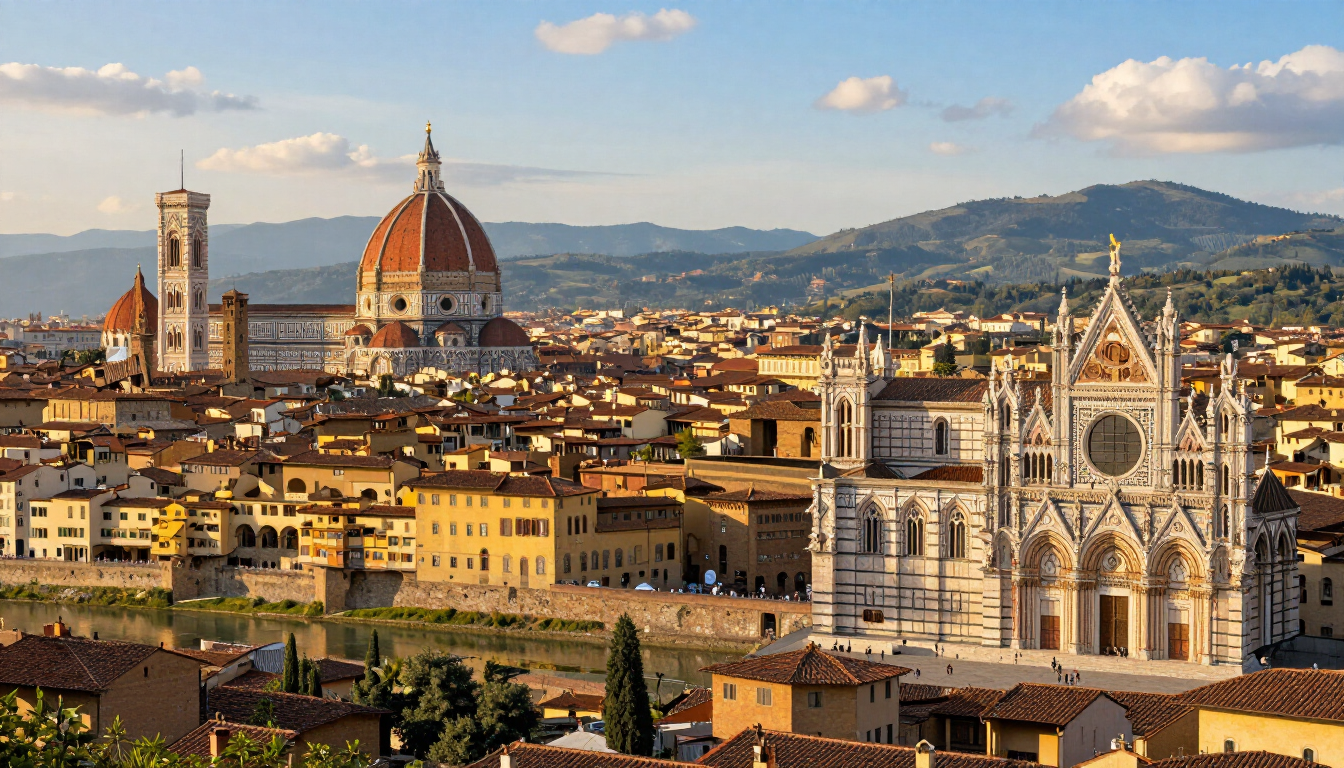
For museums, churches, architecture, and historic centers, late autumn and winter can be remarkably rewarding . Florence and Siena remain culturally rich when rural tourism slows, and shorter daylight hours create a natural rhythm of morning sightseeing, long lunches, and evening dining.
January and February are often among the quietest months, though some sites may have reduced hours or occasional closures. Always check official opening information for major attractions before finalizing your itinerary.
Spring and autumn provide a good balance between cultural sightseeing and outdoor exploration. These seasons are ideal if you want to combine Florence with day trips to Siena, San Gimignano, Lucca, or Arezzo.
Summer is still popular for city breaks, but heat and crowds can affect the experience. Start outdoor sightseeing early, reserve major attractions ahead of time, and schedule indoor museums during the hottest part of the day.
What is the best season for artisan encounters?
Spring, autumn, and winter are often best for travelers interested in craftsmanship and personal encounters. A quieter calendar can allow more time for conversations with artists, leatherworkers, ceramicists, jewelers, and other makers.
Florence is particularly strong for artisan travel because traditional workshops exist alongside major artistic landmarks. Instead of treating shopping as a separate activity, visitors can learn how materials, techniques, and local history shape what they see and purchase.
The Artisans of Florence private journey suits travelers who want a more thoughtful alternative to conventional sightseeing. It can be especially attractive for couples and families looking for an experience that feels personal rather than crowded.
When arranging an artisan visit, consider whether you prefer:
- Demonstrations of traditional techniques
- Opportunities to speak directly with the maker
- A focus on design, history, or materials
- Time for considered purchasing
- A route that combines workshops with historic neighborhoods
Is summer a good time to visit Tuscany?
Summer is a good time to visit Tuscany if you value long days, outdoor dining, swimming, festivals, and a lively atmosphere . July and August are the warmest and busiest months, but they can work well for travelers who plan around the heat.
Schedule walking tours and countryside visits in the morning or later afternoon. Reserve restaurants, wineries, and popular attractions in advance, particularly in Florence, Siena, and San Gimignano. A chauffeured vehicle can also make long summer day trips more comfortable by reducing the effort of navigating unfamiliar roads and finding parking.
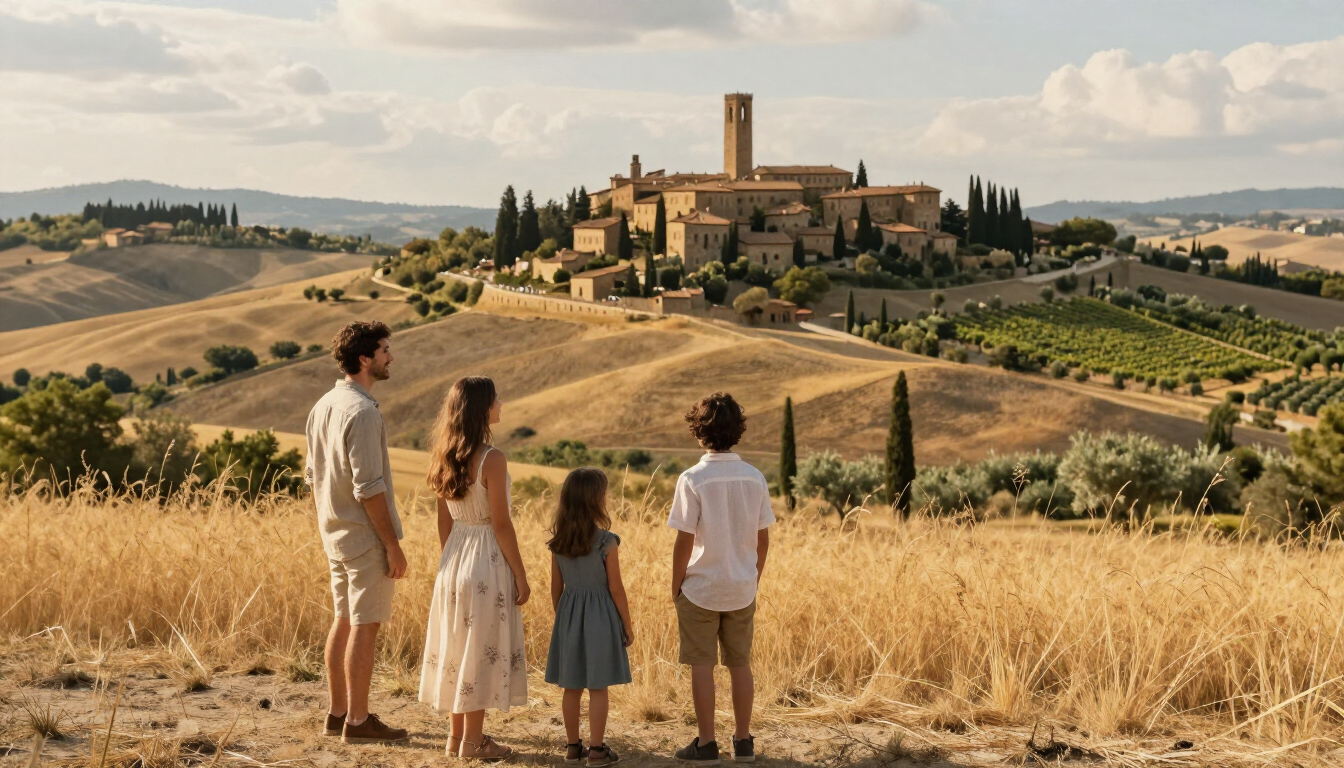
Summer may be less suitable if you want cool hiking conditions, empty historic centers, or complete flexibility. Families should consider shorter sightseeing blocks, shaded stops, and accommodation with air conditioning.
The Spirit of Siena and San Gimignano offers a strong summer day-trip structure, while private chauffeured experiences can help travelers move comfortably between villages, estates, and cultural sites.
Is winter worth visiting Tuscany?
Winter is worth visiting if you prefer quiet travel, cultural depth, local restaurants, and a more authentic daily rhythm . The countryside is peaceful, accommodation may offer better value, and Florence’s museums and historic streets can be easier to enjoy without peak-season crowds.
Winter days are shorter and weather can be cool or wet, so it is best to combine outdoor stops with indoor experiences. A private guide can make the season more rewarding by adjusting the itinerary as conditions change and adding context that would be easy to miss independently.
Winter is particularly suitable for:
- Museum and gallery visits
- Artisan workshops
- Long meals and regional cuisine
- Private city tours
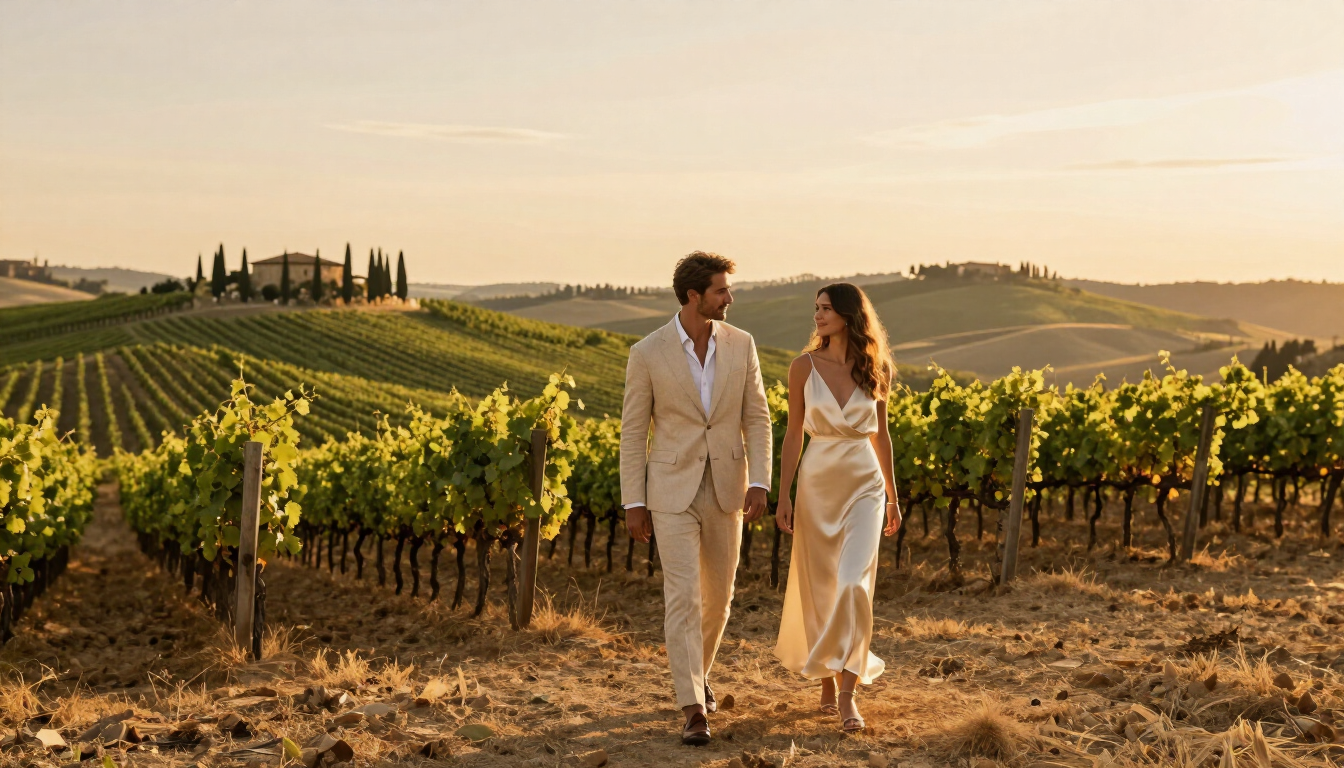
- Couples seeking a quieter atmosphere
Some rural businesses operate on reduced schedules, so advance planning matters more than it does in the high season. Confirm opening days, transportation, and restaurant reservations before traveling.
How crowded is Tuscany in each season?
Crowds are generally highest from June through August , especially in Florence, Siena, San Gimignano, and other headline destinations. Easter and selected public holidays can also create busy periods in spring.
April, May, September, and October usually offer a more balanced experience. They are popular months, but early starts, private transportation, and well-planned routing can keep the day comfortable. November through March is often quieter, though Florence and major cultural attractions can still be busy on weekends.
Crowds also depend on timing within the day. Visiting a landmark early, arranging lunch away from the busiest square, and exploring smaller towns during peak sightseeing hours can significantly improve the experience.
How should you choose your Tuscany travel dates?
Use this simple decision process before booking flights or accommodation:
- Choose your main experience. Decide whether it is wine, food, culture, scenery, artisans, or relaxation.
- Match it to a season. Use spring and autumn for balance, summer for outdoor energy, and winter for quiet culture.
- Check local availability. Confirm winery visits, museum hours, festivals, restaurants, and seasonal closures.
- Build in flexibility. Leave room to change a countryside day if rain, heat, or fatigue affects your plans.
- Select the right travel style. Private guides and chauffeured routes are valuable when comfort, depth, and personalization matter.
For help combining destinations and interests, use Design Your Tour to shape a route around your preferred pace and priorities.
Frequently asked questions about visiting Tuscany
What month is the best for Tuscany?
May, September, and October are among the best months for Tuscany because they combine comfortable weather, attractive landscapes, and strong opportunities for food, wine, and countryside experiences.
How many days do you need in Tuscany?
Five to seven days allows travelers to combine Florence with several countryside or hill-town experiences without rushing. Longer stays make it easier to include wine areas, coastal destinations, artisan visits, and slower meals.
Is Tuscany better in spring or fall?
Spring is best for fresh green landscapes, gardens, and walking. Fall is best for harvest atmosphere, wine, food, and warm golden scenery. Both seasons are excellent for a first visit.
Should you rent a car in Tuscany?
A car can be useful for independent rural travel, but parking, unfamiliar roads, wine tasting, and historic-center restrictions can complicate a trip. Private chauffeured travel is often more comfortable for multi-stop experiences.
What should you pack for Tuscany?
Pack comfortable walking shoes, light layers, sun protection, and a light waterproof jacket. Add a smart-casual outfit for restaurants and warmer layers for spring or autumn evenings.
Final recommendation
The best time to visit Tuscany depends on the experience you want to remember. Choose spring for green landscapes and walking, summer for long outdoor days, autumn for wine and harvest flavors, and winter for quieter cultural and artisan experiences. If you want the broadest balance of comfort, scenery, and availability, plan for May, September, or October. Next, identify your top two priorities, check seasonal opening dates, and build a flexible route that connects Florence with the countryside. A personalized itinerary can make any season feel more comfortable, authentic, and meaningful.