
7 Ways to Discover Hidden Tuscany Beyond the Crowds
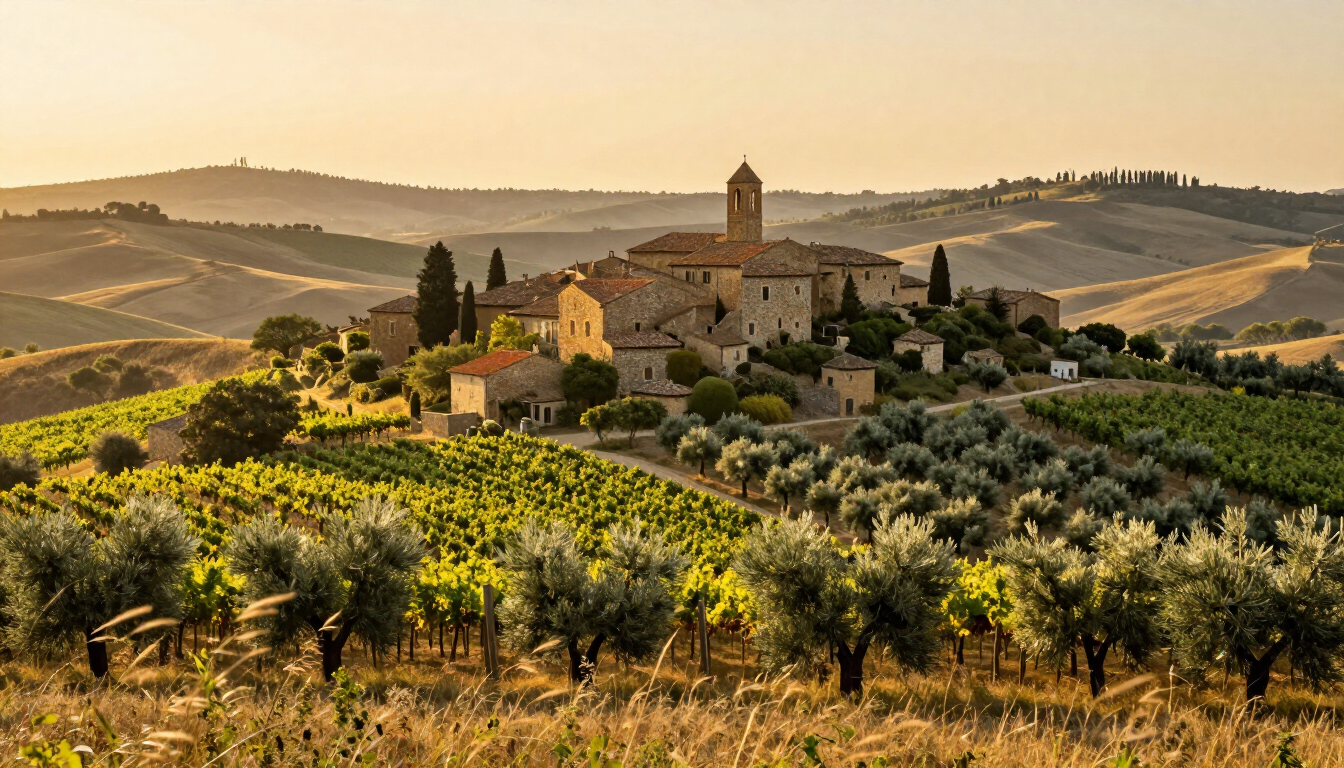
Hidden Tuscany is best discovered through quiet hill towns, family-run wineries, artisan workshops, historic villages, and unhurried countryside experiences beyond the region’s famous landmarks. A private, personalized itinerary helps travelers replace crowded routes with authentic encounters, seasonal food, local traditions, and the slower rhythm of everyday Tuscan life.
Why explore hidden Tuscany beyond the famous attractions?
Tuscany’s headline destinations—Florence, Siena, San Gimignano, Pisa, and the Val d’Orcia—deserve their reputation. Yet the region becomes more personal when you travel beyond the standard itinerary. Small communities, lesser-known historic sites, and rural landscapes reveal a Tuscany that is quieter, more intimate, and often more memorable.
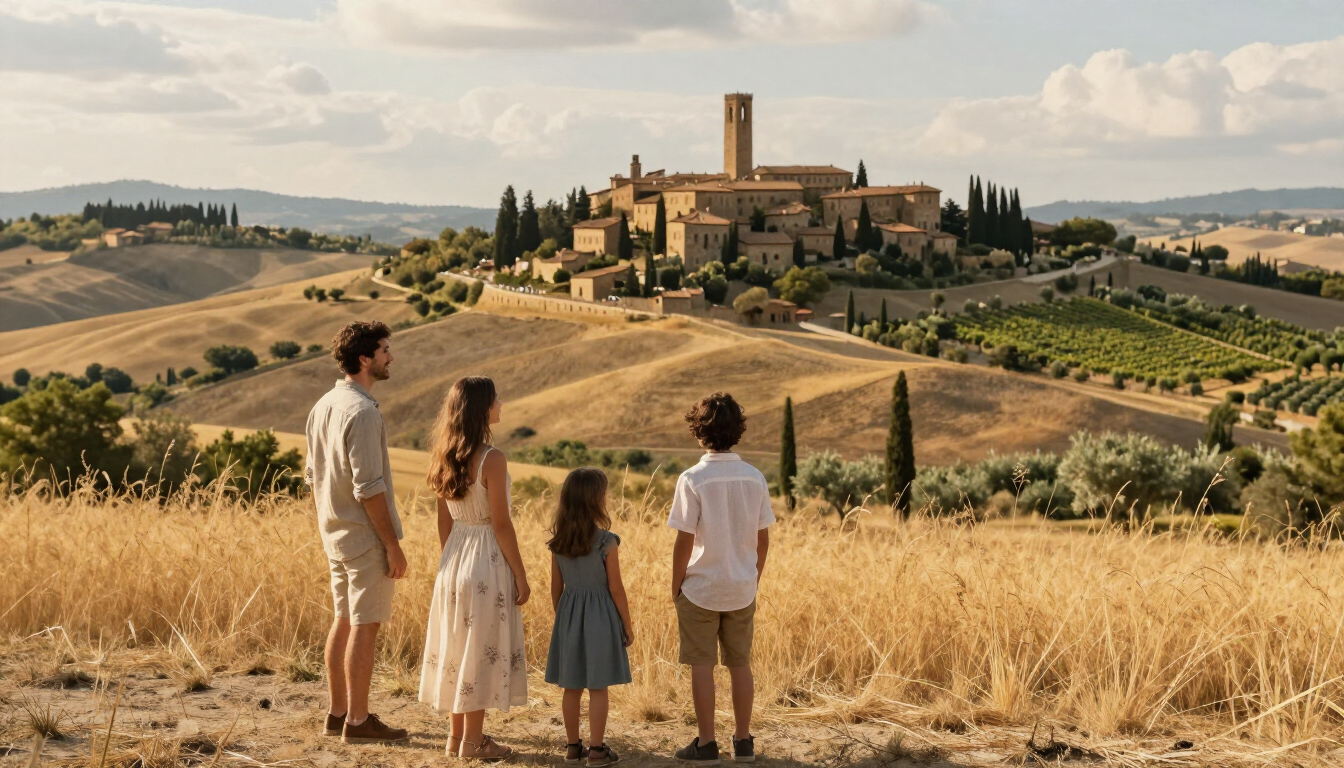
This style of travel is particularly rewarding for couples, families, and private groups who want more than a checklist of landmarks. Instead of moving quickly between crowded viewpoints, you can spend time learning how local traditions are preserved, meeting craftspeople, tasting food at its source, or walking through a village where daily life continues at its own pace.
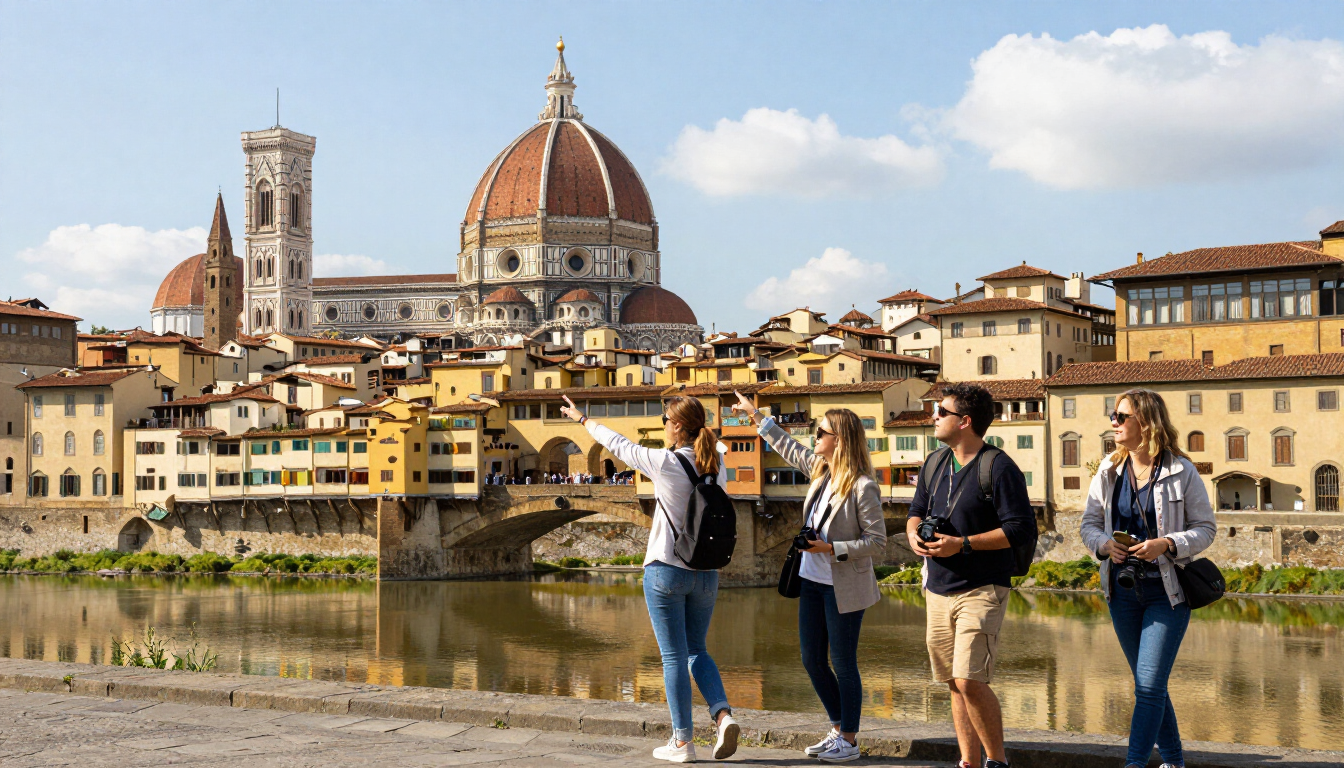
A useful starting point is to combine one iconic destination with one lesser-known experience. For example, a visit to Siena can be paired with a private exploration of Chianti, or a day in Florence can include a dedicated artisan visit. Florence Connection’s private tours in Tuscany and Florence can be adapted around your interests, preferred pace, and travel style.
1. Which lesser-known Tuscan towns are worth visiting?
Some of Tuscany’s most rewarding places are not the ones that dominate guidebook covers. They may have fewer major attractions, but they offer a stronger sense of place and more opportunities to experience local life.
Consider including:
- Arezzo: Known for its medieval architecture, antiques, and lively monthly antique market, Arezzo combines historic beauty with a distinctly local atmosphere. Its Basilica of San Francesco and Piero della Francesca’s Renaissance frescoes are cultural highlights.
- Anghiari: Perched in the Tiber Valley, this elegant stone village is ideal for slow walks, panoramic views, and small workshops. Its steep lanes and understated beauty feel far removed from mass tourism.
- Pienza’s surrounding villages: Rather than stopping only in Pienza, explore nearby farm roads, small hamlets, and family-run producers in the Val d’Orcia.
- Montemerano and Sovana: These southern Tuscan villages offer medieval character, Etruscan history, and a gentler alternative to the region’s busiest towns.
- Volterra: Although increasingly popular, Volterra still rewards travelers who linger for its alabaster craftsmanship, Roman remains, and atmospheric streets after day visitors leave.
The best town is not necessarily the one with the longest list of monuments. It is the place that matches your interests—history, food, craftsmanship, photography, or simply a beautiful setting for an unhurried afternoon.
A slower way to see Tuscany
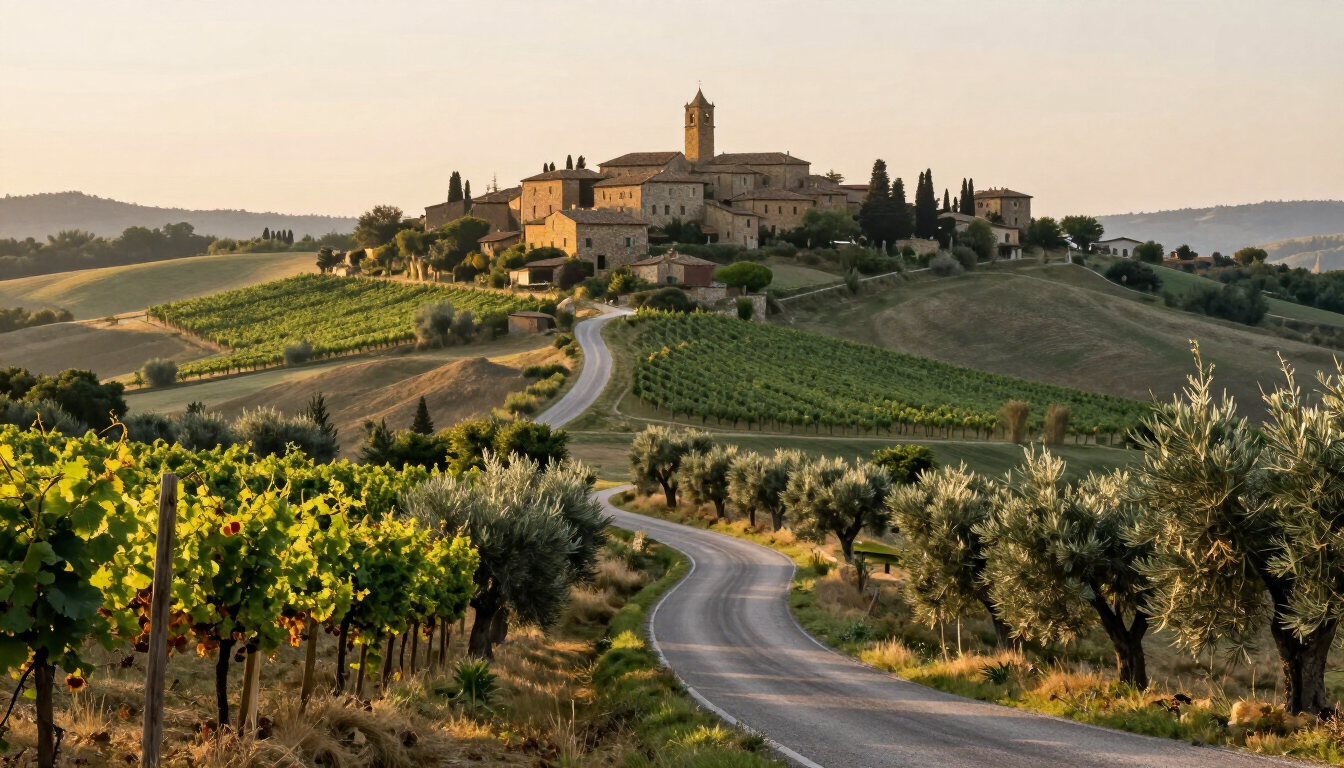
Plan fewer stops and allow time for an unexpected discovery: a small church, a local market, a village festival, or a conversation with a shopkeeper. A private driver or guide can also help you use rural roads efficiently without turning the day into a series of rushed arrivals and departures.
2. How can you experience authentic Tuscan food and wine?
Food becomes more meaningful when it is connected to landscape and people. Rather than treating lunch as a break between attractions, build your itinerary around the producers, traditions, and seasons that shape Tuscan cuisine.
Authentic culinary experiences may include:
- A market visit with a local guide: Learn how to identify seasonal produce, regional cheeses, cured meats, and fresh pasta while seeing how residents shop.
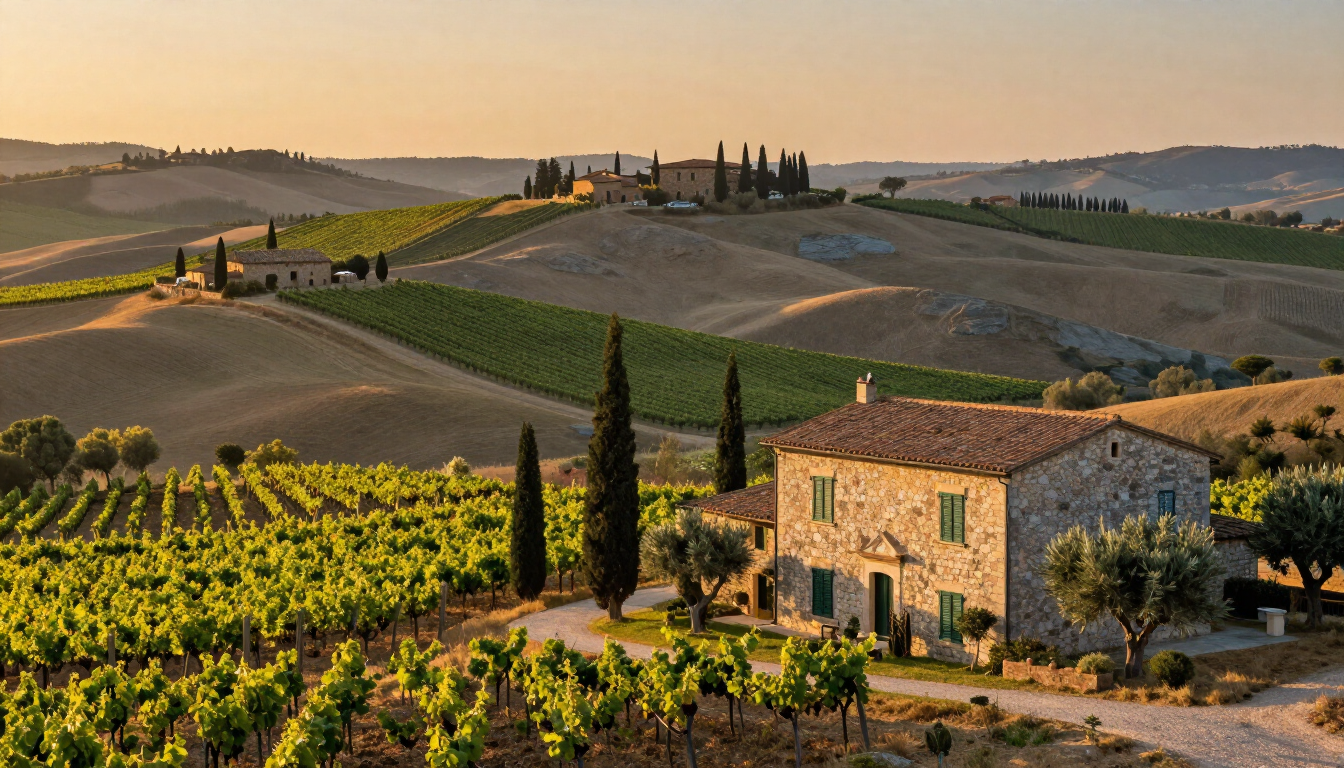
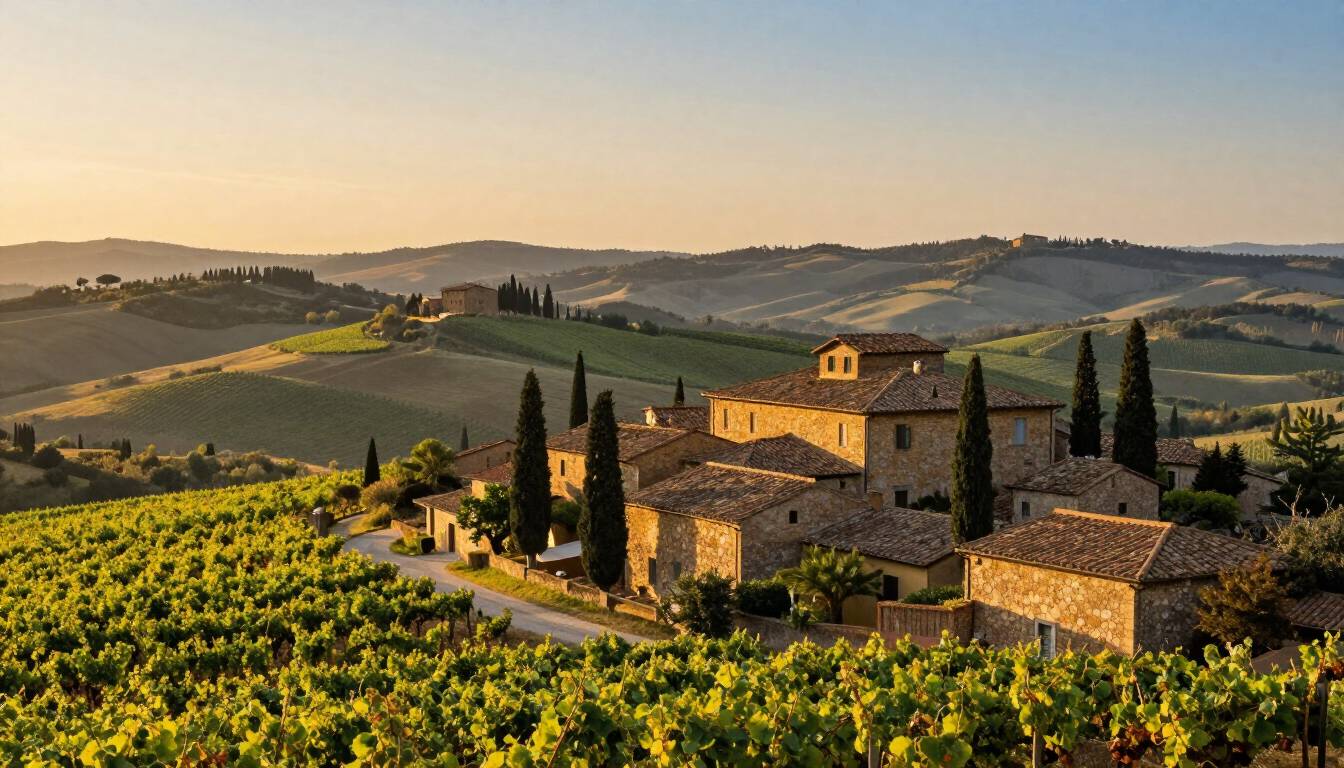
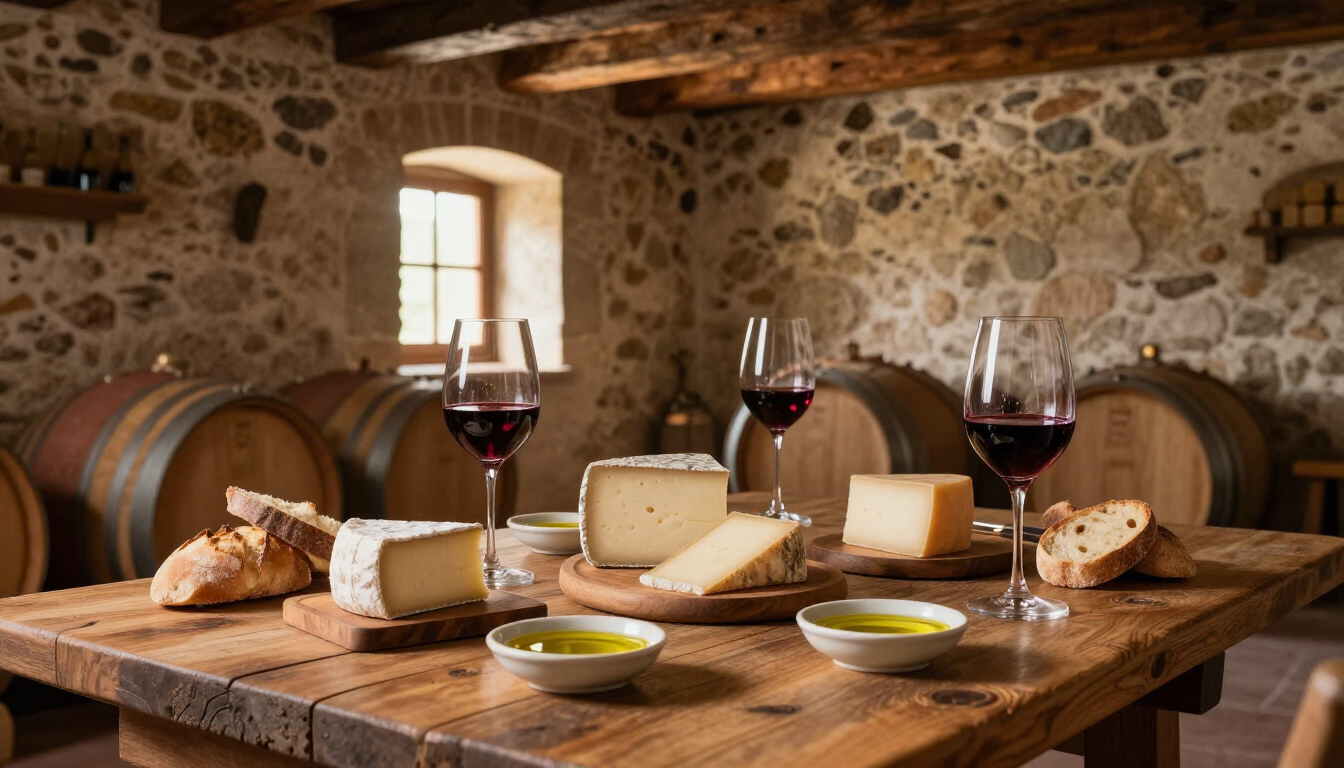
- A family-run winery: Taste wines in the setting where they are made, with time to understand the vineyard, cellar, and philosophy behind each bottle.
- An olive oil visit: In the harvest season, olive oil tastings reveal how variety, terrain, and pressing methods affect flavor.
- A traditional cooking experience: Prepare regional dishes using local ingredients, then enjoy the meal at a relaxed pace.
- A countryside lunch: Choose a small trattoria, estate, or agriturismo where the menu reflects what is available nearby.
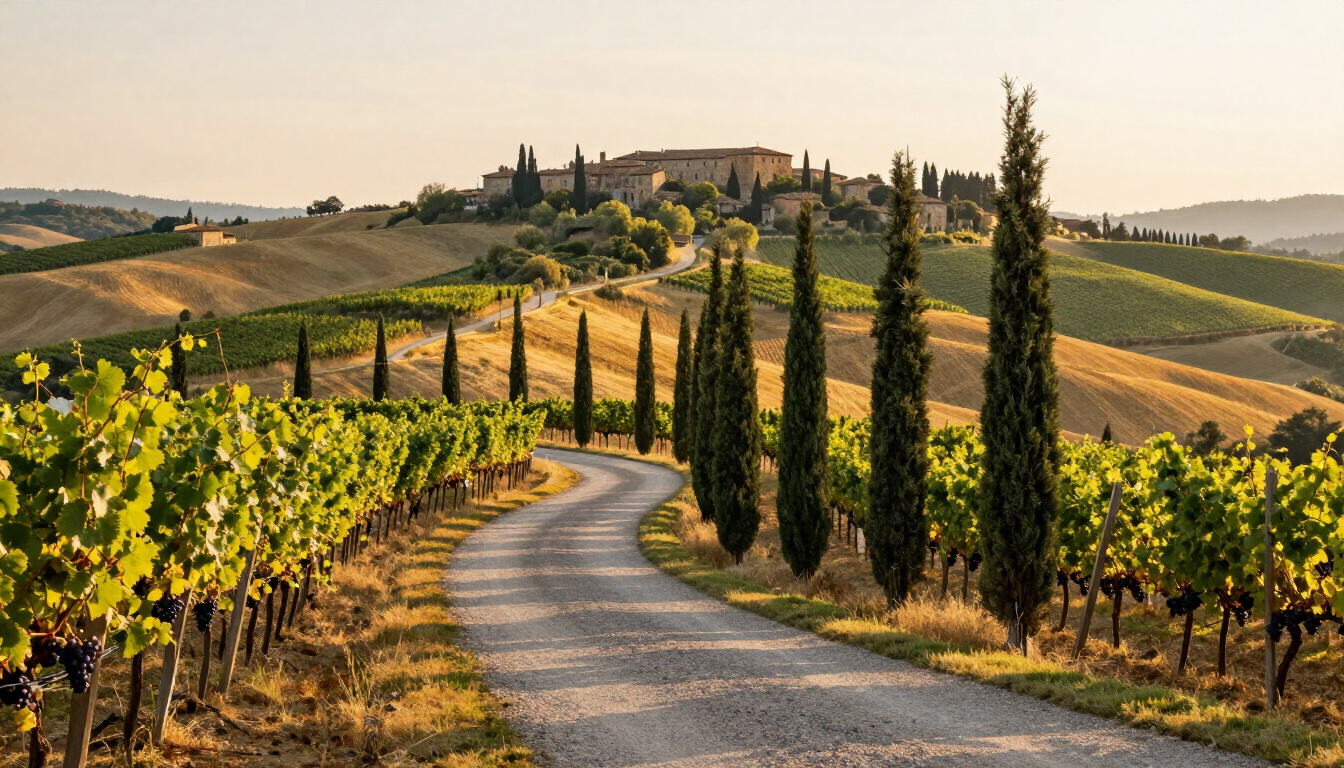
Wine lovers can explore beyond the most familiar labels through a tailored Montepulciano and Montalcino wine tour . Travelers who prefer a broader landscape of vineyards, villages, and history may enjoy a private Siena and Chianti escape .
The goal is not to collect tastings. It is to understand why a dish or wine belongs to its place. Ask about local grape varieties, traditional preservation methods, harvest timing, and the family history of the producer. Those details turn a meal into a lasting memory.
3. Where can you discover Tuscan artisan traditions?
Tuscany’s identity is also expressed through its makers. Leather, ceramics, paper, gold, textiles, wood, alabaster, and other crafts continue to connect contemporary work with centuries-old techniques.
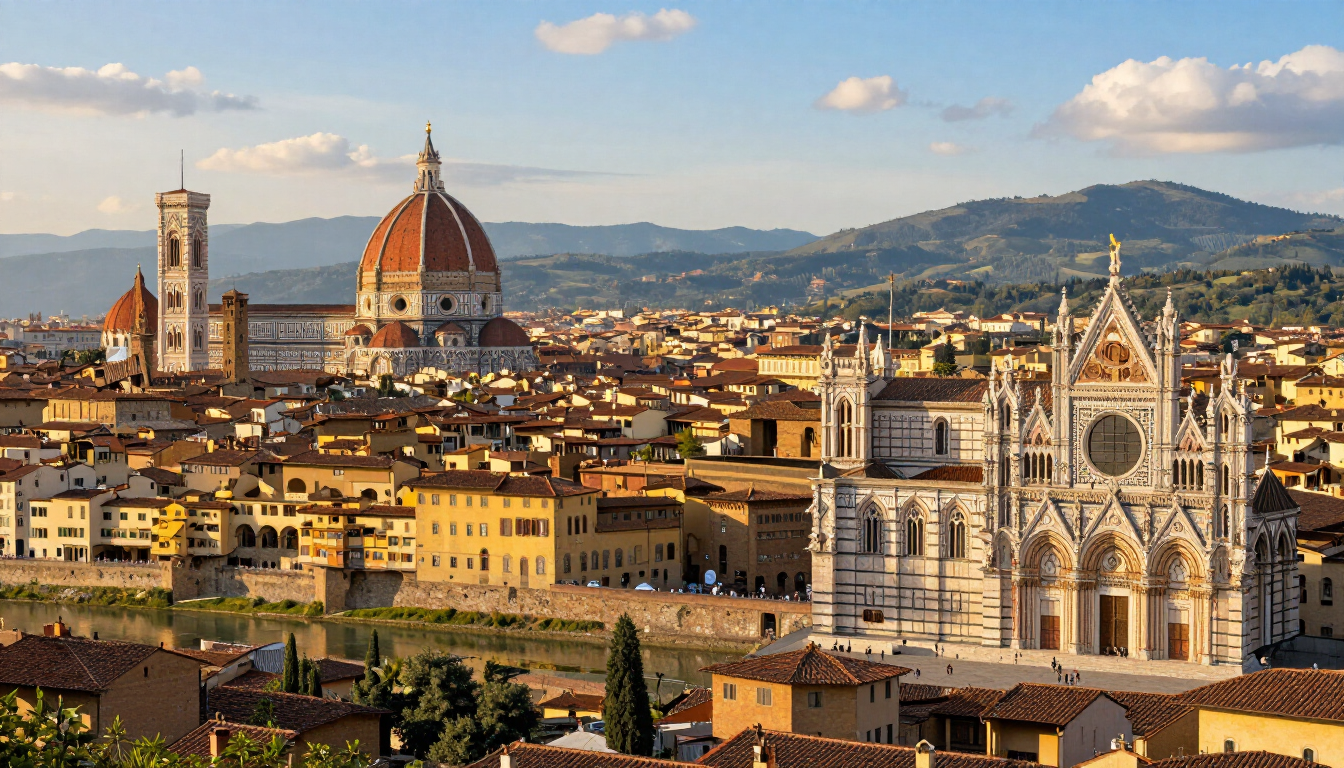
In Florence, an artisan-focused experience can take you beyond the major museums and into workshops where skill is passed from one generation to the next. The Artisans of Florence private journey is designed for travelers interested in craftsmanship, creativity, and the stories behind handmade objects.
Outside Florence, look for:
- Arezzo’s antique dealers and restorers , where furniture, jewelry, and decorative arts reflect the area’s long commercial history.
- Volterra’s alabaster workshops , where local stone is shaped into contemporary and traditional objects.
- Ceramic studios in small villages , often producing practical tableware alongside decorative pieces.
- Textile and leather workshops , where visitors can see cutting, stitching, finishing, and design processes.
When visiting a workshop, choose a genuine working studio rather than a quick retail stop. A meaningful visit should give you a chance to ask questions, observe the process, and understand how the craft fits into the local economy. If you purchase something, you are taking home a story as well as an object.
4. What historic sites reveal Tuscany’s lesser-known story?
Tuscany’s history is not limited to Renaissance masterpieces. Roman roads, Etruscan settlements, medieval fortifications, rural abbeys, and small civic museums reveal how the region developed over thousands of years.
Arezzo is an excellent example. Its Roman amphitheater, medieval center, churches, and Renaissance art can be explored at a more relaxed pace than the major Tuscan capitals. The town becomes especially engaging when paired with the surrounding countryside and the hilltop village of Anghiari. Explore the Treasures of Arezzo and Torre a Cona for a route that connects art, history, and landscape.
Other rewarding possibilities include:
- Visiting a quiet Romanesque parish church surrounded by vineyards.
- Exploring Etruscan necropolises and archaeological sites in southern Tuscany.
- Walking through the grounds of a historic estate or fortified village.
- Discovering small museums dedicated to local trades, farming, or religious art.
- Visiting a rural abbey at a time of day when the setting is peaceful.
A knowledgeable guide adds context that is easy to miss: why a town was built on a particular hill, how medieval trade shaped its streets, or how a religious order influenced the surrounding landscape.
5. How do you plan a slow travel experience in Tuscany?
Slow travel does not mean seeing less. It means choosing depth over volume. A well-designed day may include only one principal town, one scenic drive, and one meaningful experience, with enough flexibility for a long lunch or an unplanned stop.
Use these planning principles:
- Choose a central theme: food, art, wine, history, nature, or craftsmanship.
- Limit transfers: Long drives can be worthwhile, but avoid crossing the entire region every day.
- Match activities to energy levels: Combine a walking tour with a seated tasting or scenic lunch.
- Leave room for spontaneity: Do not schedule every hour.
- Travel with local knowledge: A guide can adjust the route for weather, opening times, seasonal events, and your interests.
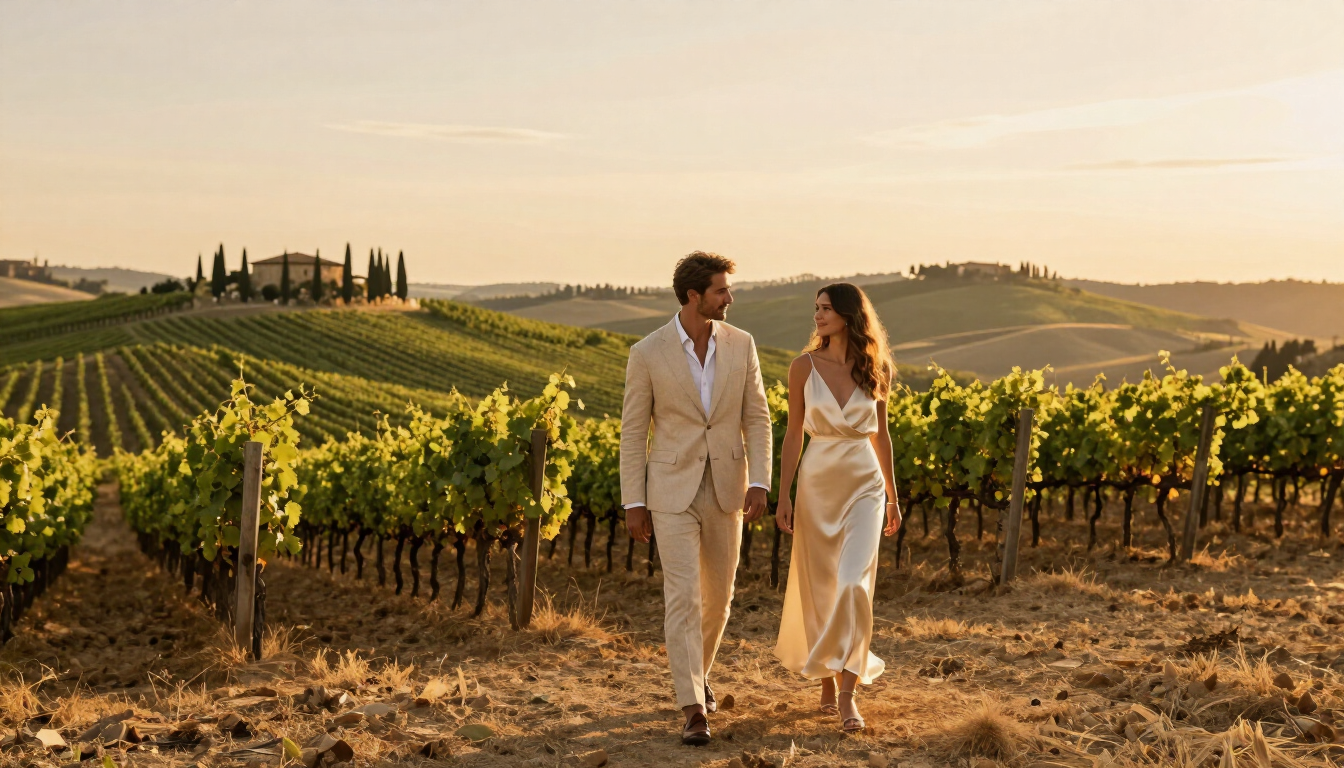
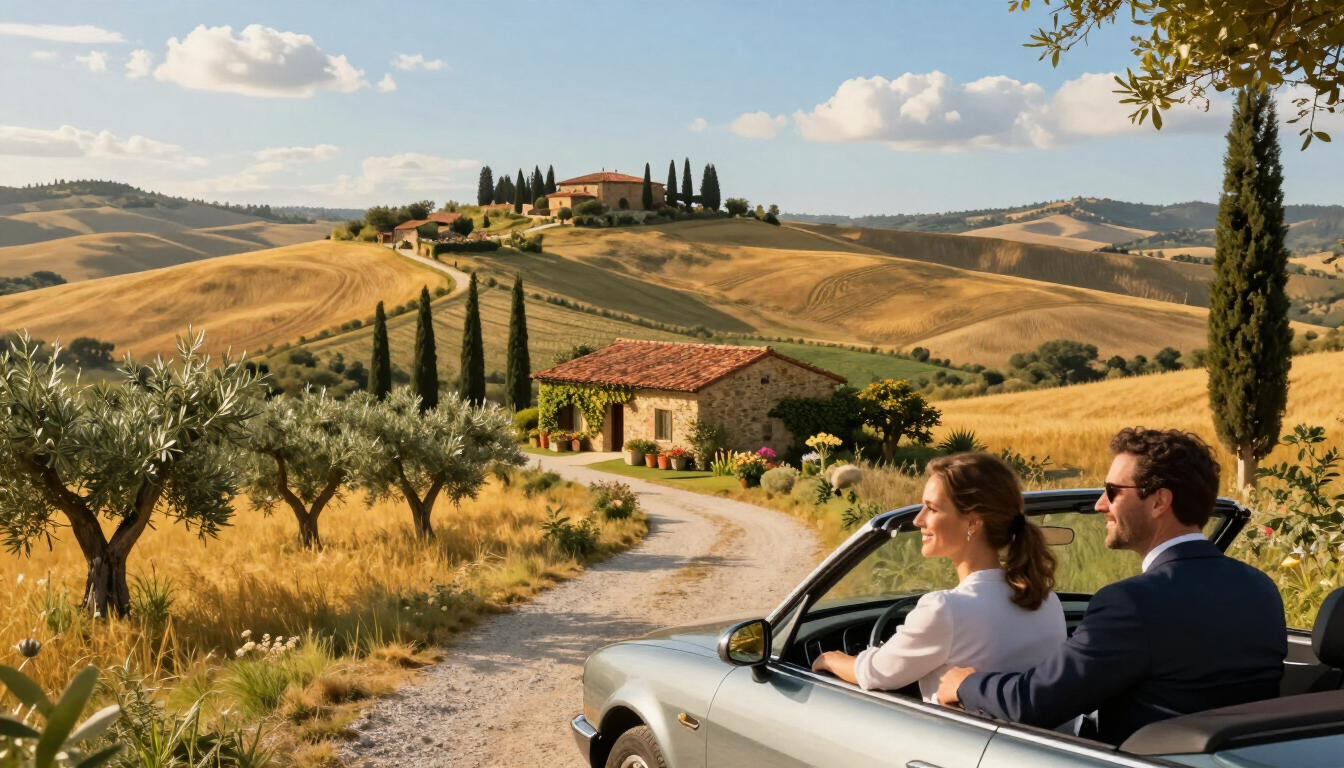
Families may prefer interactive visits, short walks, and hands-on food experiences. Couples may enjoy a private vineyard, a sunset drive, or a village dinner. Small groups can combine different interests through a chauffeured itinerary with flexible stops.
For a fully customized route, use Design Your Tour to shape the experience around your preferred pace and priorities.
An itinerary framework for authentic Tuscany
A three-day extension beyond the main attractions might look like this:
Day one: Florence through local eyes
Begin with a market and neighborhood walking experience, then visit artisan workshops and enjoy a relaxed lunch. This creates a more personal connection to the city before moving into the countryside.
Day two: Hill towns, history, and local food
Travel toward Arezzo or another lesser-known hill town. Explore historic streets with a guide, visit a craft studio or antique market, and dine at a restaurant centered on regional ingredients.
Day three: Vineyards and rural landscapes
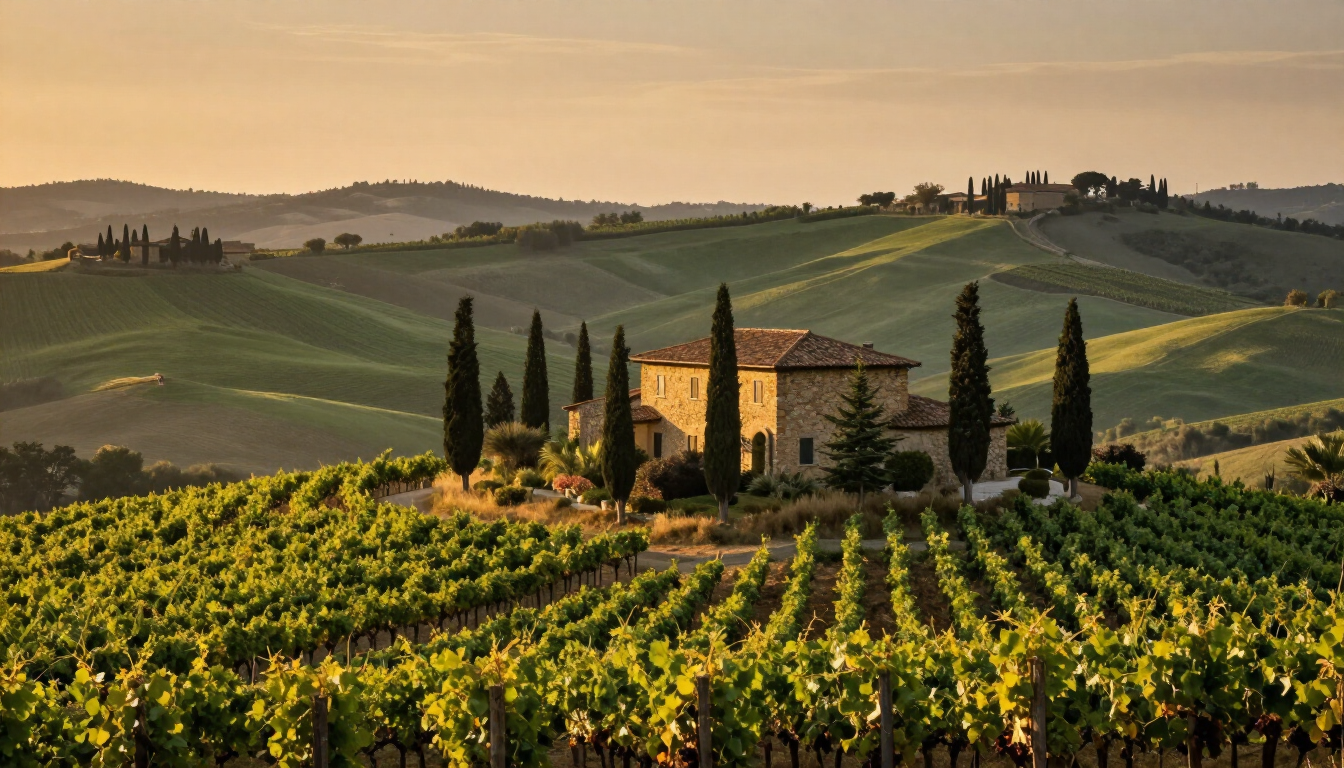
Spend the day in Chianti, Montepulciano, Montalcino, or a quieter wine area. Include a private tasting, a countryside lunch, and time to enjoy the scenery without rushing between estates.
This framework is only a starting point. The strongest itineraries reflect the travelers themselves rather than trying to include every famous Tuscan sight.
Frequently asked questions about hidden Tuscany
Is hidden Tuscany suitable for a first visit?
Yes. First-time visitors can combine essential landmarks with quieter towns and countryside experiences. This approach provides the classic highlights while making the journey feel less standardized.
What is the best season for an authentic Tuscany trip?
Spring and autumn offer comfortable temperatures, changing landscapes, and strong food and wine traditions. Summer can also be rewarding when activities are planned early, shaded, or centered on the countryside.
Do I need a private guide to explore lesser-known Tuscany?
Not always, but local expertise can save time and reveal places that are difficult to identify independently. A private guide can also adapt the day to weather, mobility needs, opening hours, and personal interests.
Can families enjoy off-the-beaten-path Tuscany?
Absolutely. Choose shorter walks, interactive workshops, farm visits, scenic stops, and meals with flexible menus. A private itinerary makes it easier to balance adult interests with children’s attention spans.
Your next step for discovering hidden Tuscany
Hidden Tuscany is best experienced by slowing down, traveling with purpose, and choosing places that offer genuine connection rather than simply adding more stops. Pair a celebrated city or landmark with a lesser-known village, artisan workshop, family-run winery, or countryside meal. Then shape the route around your interests, pace, and group. If you want a more personal alternative to standard sightseeing, compare Florence Connection’s private experiences , explore the Travel Insights , or contact the team to begin planning an authentic Tuscan journey.